Call us (863) 858-5554
HealthFlex
×
  • Home
  • About Us
    • Check Your Coverage
    • Insurance & Self-pay Options
    • Client-Centered Therapy
    • Crisis and After-Hours Care
    • Privacy Policy
  • Specializing In
    • Specializing In
    • Metabolic Psychiatry
    • Weight Management & Binge Eating
  • Services
    • Services
    • Medication Management for Mental Health
    • Telehealth
    • Client-Centered Therapy
    • Metabolic Psychiatry
  • Book An Appointment
  • Contact Us

Anxiety Treatment at CareSync Psych

Anxiety Treatment at CareSync Psych

Anxiety Disorder Treatment in Florida: Therapy, Medication, and Proven Self-Help Strategies

Anxiety disorders are among the most common mental health conditions in Florida, affecting adults, adolescents, and professionals juggling high stress, family demands, and fast-paced lifestyles. While anxiety can feel overwhelming and persistent, effective treatment is available, and most people improve significantly with the right combination of care.

At CareSync Psych, In Lakeland, Florida , we provide evidence-based anxiety treatment across Florida through medication management, therapy collaboration, and practical self-help strategies designed to calm the nervous system and restore confidence.

Anxiety isn’t a personal failure.

It’s a nervous system stuck in overdrive.

At CareSync Psych, we specialize in treating panic disorder, social anxiety, and OCD with care that goes deeper than symptom checklists or rushed prescriptions.

Panic attacks can make your body feel unsafe.
Social anxiety can quietly shrink your world.
OCD can trap you in exhausting cycles of fear, doubt, and control.

And when these conditions are misunderstood or minimized, the impact can be devastating.

💙 Our approach is different
We combine:


    • Specialized psychiatric care for anxiety and OCD
    • Thoughtful, individualized medication management
    • Therapy-informed treatment planning
    • A nervous-system-focused, mind–body approach

Progress isn’t just “fewer symptoms.”
It’s feeling calmer in your body, more confident in your life, and more in control when anxiety shows up.

 ✨ CareSync Psych helps adults struggling with panic disorder, social anxiety, and OCD regain calm and clarity through personalized, evidence-based psychiatric care.

If anxiety has been running your life—or quietly limiting it—you don’t have to navigate this alone.

CareSync Psych has treatment for anxiety in Lakeland, Florida


Panic disorder feels frightening—but it is treatable.
Anti-anxiety medications, therapy, and self-help strategies can work together to restore calm and confidence.

You don’t have to live in fear of the next panic attack.

Support is available—and recovery is possible.


📍 Anxiety Treatment in Florida | Self-pay & insurance options
📅 Now accepting new patients

Specializing In

How Anxiety Feels in the Body and Mind

Anxiety is not just mental—it is deeply physiological.

People with anxiety often experience:

  • Racing thoughts or constant worry

  • Rapid heart rate or chest tightness

  • Shortness of breath

  • Muscle tension

  • Restlessness or agitation

  • GI discomfort or nausea

  • Fatigue and poor sleep

Many people seek medical care first, believing something is physically wrong—because anxiety can feel that intense.

What Are Anxiety Disorders?

Anxiety disorders involve excessive fear, worry, or nervous system activation that interferes with daily life. Unlike everyday stress, anxiety disorders persist even when no immediate danger is present.

Common anxiety disorders treated in Florida include:

  • Generalized Anxiety Disorder (GAD)

  • Panic Disorder

  • Social Anxiety Disorder

  • Obsessive-Compulsive Disorder (OCD)

  • Health Anxiety

  • Trauma-related anxiety

Understanding Panic Disorder: Breaking the Cycle of Fear

Anxiety Treatment in Florida: Why Medication + Therapy Works Best

Research consistently shows that combining medication with psychotherapy leads to better outcomes than either alone for moderate to severe anxiety.

How Therapy Helps Anxiety

Therapy—especially Cognitive Behavioral Therapy (CBT)—helps by:

  • Teaching how anxiety works

  • Reducing catastrophic thinking

  • Gradually facing feared sensations or situations

  • Building long-term coping skills

Therapy retrains how the brain interprets threat.

Anxiety Treatment in with Anti-Anxiety Medications

Medication can help quiet the nervous system, making therapy and self-help strategies more effective.

Anti-anxiety medications:

  • Reduce baseline anxiety

  • Decrease panic symptoms

  • Improve emotional regulation

Medication Management for Mental Health

Medication is always personalized—there is no one-size-fits-all approach.

Read More

The Psychology of Christmas & Your Mental Health

The Psychology of Christmas & Your Mental Health

Understanding the Psychology of Christmas

Christmas is far more than a holiday on the calendar. Psychologically, it carries deep symbolic meaning, activates powerful emotional memories, and often intensifies mental health experiences—for better and for worse. Research and psychoanalytic perspectives help explain why this season can feel comforting for some and profoundly difficult for others.

More

The Psychology of Christmas: Why This Season Feels So Emotionally Powerful

For many people, Christmas is a time of warmth, connection, and meaning. For others, it can bring stress, sadness, anxiety, or emotional exhaustion. And for many, it’s a mix of both.

Psychology helps explain why Christmas carries such emotional weight — and why struggling during the holidays is far more common than most people realize.

Understanding the psychology of Christmas can help normalize emotional reactions, reduce shame, and guide healthier mental health support during the holiday season.

I am text block. Click edit button to change this text. Lorem ipsum dolor sit amet, consectetur adipiscing elit. Ut elit tellus, luctus nec ullamcorper mattis, pulvinar dapibus leo.

At CareSync Psych, we recognize that Christmas can be meaningful, painful, or both.

The Superego and Holiday Guilt

From a Freudian lens, Christmas can activate unconscious material formed in childhood, including early attachment experiences, unmet needs, and unresolved family dynamics (Freud, 1923).

reud’s concept of the superego — the internalized moral authority shaped by social and parental expectations — is often heightened at Christmas. Cultural messages like “you should be grateful,” “you should be happy,” or “family should come first” can intensify guilt and self-criticism when lived experiences don’t match these ideals.

From a psychoanalytic perspective, holiday distress often reflects increased internal pressure, not personal failure.

Jungian Meaning: Light, Renewal, and the Inner Child

From a Jungian perspective, Christmas is rich in archetypal symbolism (Norris, 2025). It occurs near the winter solstice, representing light emerging from darkness, renewal, and hope.

One of the most powerful symbols associated with Christmas is the Child archetype, which represents:

  • New beginnings

  • Vulnerability

  • Growth and transformation

For some, this symbolism evokes comfort and meaning. For others (especially those with trauma, loss, or disrupted childhood experiences) it can bring grief or emotional pain.

Mental Healthcare in Lakeland, Florida

Why the Holidays Can Feel Emotionally Overwhelming

Christmas can have a powerful psychological impact on mental health. Research suggests that the holiday season often intensifies existing emotional states rather than creating new psychiatric symptoms, a phenomenon sometimes referred to as the “Christmas effect” (Sansone & Sansone, 2011). For many individuals, Christmas heightens reflection, social comparison, and emotional memory retrieval, which may worsen symptoms of anxiety, depression, or loneliness. Understanding the psychology of Christmas helps normalize why mental health symptoms may increase during this time and supports compassionate, stigma-free care.

At CareSync Psych, we recognize that Christmas can be meaningful, painful, or both. Our approach integrates:

  • Psychotherapy for emotional regulation and insight

  • Medication management when appropriate

  • Support for sleep, stress, and routine stabilization

  • A whole-person perspective that honors mind and body

There is no right way to feel during the holidays. Mental health care isn’t about forcing cheer — it’s about supporting authenticity, stability, and well-being.

Psychology of Christmas & Your Mental Health

Christmas functions as a time marker—a moment of reflection, comparison, and emotional evaluation.

According to Sansone & Sansone (2011), the “Christmas effect” refers to the way holidays amplify existing psychological states rather than creating new ones. In other words:

  • Joyful people may feel more joyful

  • Lonely individuals may feel more isolated

  • Those struggling with depression or anxiety may experience symptom intensification

This occurs because Christmas heightens expectations, social comparison, and emotional memory retrieval.

Why the Holidays Can Feel Emotionally Overwhelming

From a psychological perspective, Christmas activates attachment needs, nostalgia, and cultural expectations that may not align with a person’s lived experience. According to Sansone and Sansone (2011), holidays amplify emotional vulnerability by increasing interpersonal demands and self-evaluation. Mulcahy’s work on the psychology of Christmas further emphasizes how unmet expectations and unresolved grief can heighten emotional distress. Recognizing these patterns can reduce self-blame and encourage individuals to seek mental health support during the holidays.

Christmas as a Symbol (Jungian & Psychoanalytic Perspectives)

From Jungian and psychoanalytic perspectives, Christmas carries rich symbolic meaning tied to archetypes such as light emerging from darkness, rebirth, and the inner child (Norris, 2025). These themes can evoke hope, renewal, and connection, but may also resurface unresolved childhood experiences or grief. Psychoanalytic theory suggests that holidays act as psychological mirrors, reflecting unconscious conflicts and emotional needs. This symbolic depth helps explain why Christmas often feels emotionally intense, even in the absence of obvious stressors.

The Deeper Psychological Meaning of Christmas

Christmas can have a powerful psychological impact on mental health. Research shows that the holiday season often intensifies existing emotions, including anxiety, depression, loneliness, and grief. Research suggests that the holiday season often intensifies existing emotional states rather than creating new psychiatric symptoms, a phenomenon sometimes referred to as the “Christmas effect” (Sansone & Sansone, 2011). For many individuals, Christmas heightens reflection, social comparison, and emotional memory retrieval, which may worsen symptoms of anxiety, depression, or loneliness. Understanding the psychology of Christmas helps normalize why mental health symptoms may increase during this time and supports compassionate, stigma-free care. At CareSync Psych, we support individuals navigating holiday stress with compassionate, evidence-based mental health care.

Common Mental Health Challenges During Christmas

Support for Holiday-Related Anxiety and Depression

Mental health treatment during the holidays focuses on stabilization, emotional regulation, and realistic expectations. Therapy and medication management can help reduce anxiety, depressive symptoms, and overwhelm associated with Christmas stress. At CareSync Psych, we offer personalized mental health care that acknowledges the emotional complexity of the holiday season—supporting patients with compassion, validation, and evidence-based treatment.

Mental Health Symptoms During the Holidays

  • Depressive symptoms

  • Anxiety and irritability

  • Sleep disruption

  • Anger
  • Emotional exhaustion

  • Shame
  • Loneliness — even among socially connected individuals

Importantly, research does not show a spike in suicide rates on Christmas Day itself. Instead, emotional distress often increases before and after the holidays, when expectations clash with reality (Sansone & Sansone, 2011).

Why This Matters for Your Mental Health

Understanding the psychology of Christmas helps both clinicians and individuals respond with compassion rather than judgment.

For mental health care, this knowledge allows for:

  • Anticipating seasonal symptom changes

  • Normalizing emotional ambivalence

  • Addressing grief and unresolved attachment wounds

  • Supporting realistic expectations and boundaries

For individuals, it helps reduce shame around “not feeling festive” and encourages seeking support when needed.

At CareSync Psych, we recognize that Christmas can be meaningful, painful, or both. Our approach integrates:

  • Psychotherapy for emotional regulation and insight

  • Medication management when appropriate

  • Support for sleep, stress, and routine stabilization

  • A whole-person perspective that honors mind and body

There is no right way to feel during the holidays. Mental health care isn’t about forcing cheer — it’s about supporting authenticity, stability, and well-being.

How Therapy at CareSync Psych Supports Holiday Mental Health

CareSync Psych Holiday Approach

CareSync Psych’s Approach to Holiday Mental Health

CareSync Psych provides patient-centered mental health care that recognizes the emotional impact of holidays like Christmas. We understand that not everyone experiences the season as joyful. Our approach integrates psychotherapy, medication management, and lifestyle support to help individuals navigate holiday stress, grief, anxiety, and depression. You are not alone—and support is available.

If this season feels heavy, it doesn’t mean you’re failing the holiday.
It often means something important inside you deserves attention and care.

And that awareness can be the first step toward healing.

Christmas is emotionally powerful because it touches something deeply human — our longing for connection, safety, meaning, and renewal.

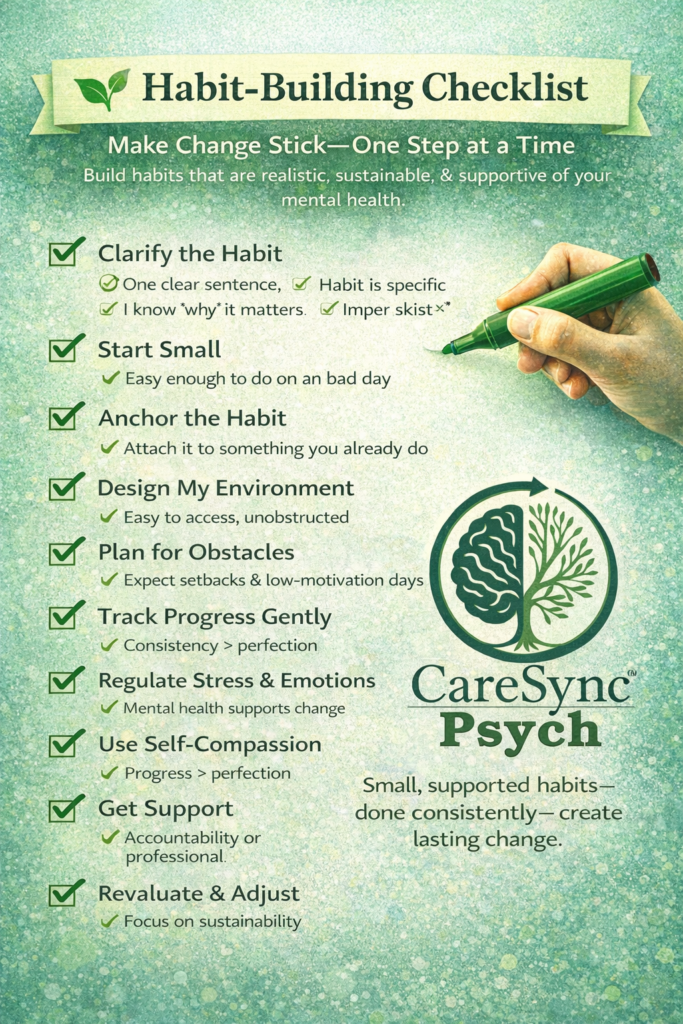
Why New Year’s Resolutions Fail—and How to Build Mental Health Habits That Stick

Why New Year’s Resolutions Fail—and How to Build Mental Health Habits That Stick

Every January, people set New Year’s resolutions with the best intentions—only to feel discouraged weeks later when motivation fades. This isn’t a personal failure. Psychology shows that most resolutions fail because they are designed incorrectly, not because people lack willpower.

New research in behavioral psychology explains how to create habits that actually stick, improve mental health, and lead to real, lasting change.


The Psychology Behind New Year’s Resolutions

Research shows that successful resolutions rely on how goals are framed and structured, not how motivated someone feels on January 1st.

A large-scale study by Oscarsson et al. (2020) found that people who set the “right kind” of goals were significantly more successful at maintaining behavior change over time. Similarly, Höchli et al. (2020) demonstrated that resolutions stick when daily habits are connected to deeper personal meaning.


Why Most Resolutions Fail

1. They Focus on What to Avoid

Many resolutions are framed negatively:

  • “Stop being anxious”

  • “Don’t overeat”

  • “Quit procrastinating”

These are called avoidance-oriented goals, and psychology shows they are harder to maintain. The brain responds better when it knows what to move toward, not just what to escape.

2. They Rely on Motivation Instead of Habits

Motivation fluctuates with stress, mood, sleep, and mental health. Habits, on the other hand, become automatic over time. When resolutions depend on constant motivation, they rarely survive real life.

3. They Lack Meaning

When goals are disconnected from personal values, they feel like chores. Without a meaningful “why,” persistence fades quickly.


What the Research Says About Goals That Stick

Approach-Oriented Goals Work Better

According to Oscarsson et al. (2020), people are more successful when goals are framed as actions to build rather than behaviors to eliminate.

Examples of approach-oriented goals:

  • “Build calmer mornings”

  • “Practice mindful eating”

  • “Create a consistent sleep routine”

These goals activate reward pathways in the brain and improve follow-through.


Connect Habits to a Bigger Purpose

Höchli et al. (2020) found that lasting change happens when small daily habits (subordinate goals) support a larger personal purpose (superordinate goals).

Superordinate goal (the why):

  • Better mental clarity

  • Emotional stability

  • Being present for family

  • Feeling healthier in your body

Subordinate habit (the what):

  • Taking medication consistently

  • Practicing a 3-minute breathing exercise

  • Walking for 10 minutes

  • Journaling one sentence at night

When habits serve something meaningful, the brain is more willing to repeat them.


How to Build Mental Health Habits That Last

1. Start Smaller Than You Think

Habits should feel almost “too easy” at first. Small actions repeated consistently are more effective than big changes done inconsistently.

2. Anchor Habits to Existing Routines

Habits stick best when tied to cues you already have:

  • After brushing teeth → brief grounding exercise

  • After coffee → medication check-in

  • Before bed → one-line reflection

3. Focus on Progress, Not Perfection

Psychology shows that self-compassion improves persistence. Missing a day doesn’t erase progress—it’s part of learning.

Book an appointment at CareSync Psych today!


Using Psychology to Become Better—Not Perfect

Psychology doesn’t encourage rigid self-discipline. Instead, it helps you design systems that support you, especially during stress.

Sustainable mental health improvement comes from:

  • Goals aligned with values

  • Habits that fit your real life

  • Compassion during setbacks

  • Consistency over intensity

The goal isn’t to “fix” yourself—it’s to support the version of you you’re becoming.


How CareSync Psych Supports Habit-Based Change

At CareSync Psych, we integrate habit science into psychiatric care, therapy, and metabolic psychiatry. We help patients:

  • Translate goals into realistic daily habits

  • Shift from avoidance-based thinking to approach-oriented growth

  • Reduce mental and metabolic barriers to change

  • building Build routines that support mood, energy, and resilience

  • Stay accountable through structured follow-ups and support

Change works best when it’s supported—not forced.

Services


Final Takeaway

New Year’s resolutions succeed when they are:

  • ✔ Approach-oriented

  • ✔ Habit-based

  • ✔ Meaning-driven

  • ✔ Compassionate

  • ✔ Sustainable

Psychology doesn’t ask you to try harder—it teaches you to try smarter.


Looking to build habits that support your mental health this year?

Contact CareSync Psych to learn how evidence-based psychiatry, therapy, and metabolic support can help you create lasting change.

About Us

When the Holidays Feel Heavy: Understanding Seasonal Sadness

mD

When the Holidays Feel Heavy: Understanding Seasonal Sadness

The winter holidays are often described as magical—glowing lights, family gatherings, celebrations, and traditions that fill the season with joy. But as Kamerlin (2024) reminds us, this time of year can also bring complicated emotions. For many people, the holidays are not cheerful—they’re overwhelming, exhausting, or even painful.

If you’re struggling, you’re not alone. And nothing is “wrong” with you for feeling this way.

Why the Holidays Can Trigger Depression

1. The Pressure to Be Happy

Holidays come with a cultural script: smile, celebrate, feel grateful. Kamerlin (2024) highlights how this pressure can turn normal stress or sadness into something heavier. When everyone else seems joyful, people often hide their struggles—leading to isolation, shame, and emotional exhaustion.

2. Emotional Overload

Even positive events can be overwhelming. Preparing, hosting, traveling, managing finances, or navigating family dynamics can stretch anyone past their capacity. For those already coping with anxiety, trauma, chronic stress, or mental health conditions, the intensity of the season can amplify symptoms.

3. Grief Feels Sharper This Time of Year

The holidays tend to spotlight who is missing. Empty chairs at the table. Memories tied to traditions. Even if time has passed, grief often resurfaces—quietly, powerfully, unexpectedly.

4. Family Conflict and Relationship Stress

While some families gather with warmth, others gather with tension. Old wounds, unresolved conflict, or strained relationships may surface, and coping with these emotions can be draining.

5. Financial Strain

Gift-giving expectations, travel costs, and holiday events add financial pressure. Stress around money can quickly spiral into feelings of failure or hopelessness, especially in a season built around giving.

6. Loneliness in a Season of Togetherness

Kamerlin (2024) emphasizes an overlooked truth: many people enter the holidays feeling alone—physically, emotionally, or both. Social media only magnifies this, making everyone else’s life look picture-perfect.

7. Disruption of Routines

Sleep changes, irregular meals, altered schedules, travel, and overstimulation can destabilize mental health—especially for individuals with anxiety, depression, bipolar disorder, or OCD. Structure matters, and the holidays often remove it.


You’re Allowed to Feel What You Feel

The holidays don’t have to be perfect. They don’t have to be happy. And they don’t have to look like anyone else’s.

If this season feels heavy, give yourself permission to:

  • Take breaks

  • Set boundaries

  • Say “no” without guilt

  • Ask for help

  • Create new traditions that feel safe

  • Let go of expectations that don’t serve you

Your emotional experience is valid—even if it doesn’t match the holiday music or TV commercials.


Support Is Available

If the holiday season brings up sadness, anxiety, grief, or overwhelm, CareSync Psych is here to support you through it. Whether you need therapy, medication management, stress-reduction strategies, or a safe space to talk, you don’t have to face this season alone.

Compassion, understanding, and healing are possible—even in the middle of winter.

Is It Depression—Or Are You Low on Vitamin D? What You Need to Know

Is It Depression—Or Are You Low on Vitamin D? What You Need to Know

Is It Depression—Or Are You Low on Vitamin D? What You Need to Know

Is It Depression—Or Are You Low on Vitamin D? What You Need to Know

Visit CareSync Psych

When you’re feeling down, exhausted, or emotionally flat, it’s easy to assume it’s “just depression.” But your mood is deeply connected to your body—and sometimes, symptoms of depression overlap with nutrient deficiencies that are surprisingly common.

One of the most overlooked contributors is low vitamin D.

Research over the past decade has consistently shown a strong link between vitamin D deficiency and depressive symptoms, making it an important piece of the mental health puzzle.

Vitamin D and Depression: What the Research Shows

Visit CareSync Psych

According to Milaneschi et al. (2014), and other large population studies,—found that individuals with depressive disorders often have significantly lower vitamin D levels. This association holds true across ages, genders, and geographic locations.

Vitamin D Plays a Biological Role in Mood Regulation

Vitamin D is not just a nutrient,  it acts more like a hormone. According to Menon et al. (2020), vitamin D receptors are found in brain regions responsible for mood, emotional regulation, and cognitive functioning. When vitamin D levels drop, these brain systems may not work as effectively.

Visit CareSync Psych

Vitamin D Can Influence Key Neurotransmitters

Visit CareSync Psych

Vitamin D has been shown to affect:

  • Serotonin production

  • Dopamine regulation

  • Inflammation pathways

These are the same pathways involved in depression, suggesting that vitamin D deficiency can contribute to symptoms—or worsen an existing depressive disorder.

Why Low Vitamin D Can Make You Feel Depressed

Vitamin D deficiency can create both emotional and physical symptoms that look—and feel—like depression.

Emotional/Mood Symptoms

  • Low mood

  • Irritability

  • Increased anxiety

  • Lack of motivation

  • Feeling “blah” or emotionally numb

Physical Symptoms That Can Be Misinterpreted as Depression

  • Fatigue

  • Muscle aches

  • Brain fog

  • Low energy

  • Sleep disturbances

  • Slow recovery from illness
When these physical symptoms happen alongside emotional ones, it’s natural to assume the cause is purely psychological. But sometimes the body is signaling a deeper imbalance.
Visit CareSync Psych

Who Is Most at Risk of Vitamin D Deficiency?

You may be more vulnerable if you:

  • Spend most of your time indoors

  • Wear sunscreen or protective clothing often

  • Live in northern or low-sunlight areas

  • Have darker skin tones

  • Are overweight

  • Are pregnant or postpartum

  • Have autoimmune conditions

  • Experience chronic pain or inflammation
Understanding your risk can help you take proactive steps toward better health.

Why You Should Consider Checking Your Vitamin D Levels

If you’re experiencing depressive symptoms—or if your mood seems to change with the seasons—testing your vitamin D levels can give you valuable information.

It’s a simple blood test, and it may reveal a deficiency that’s contributing to how you feel. While vitamin D is not a replacement for therapy or medication, restoring normal levels may:

  • Improve mood stability

  • Reduce fatigue

  • Support better sleep

  • Decrease inflammation

  • Enhance overall mental well-being

Think of it as one more tool in a holistic, whole-body approach to mental health.

Talk with your provider about your vitamin D levels, and ask if your levels need to be checked.

CareSync Psych Can Help You Understand the Full Picture

At CareSync Psych, we look beyond symptoms—we look at you as a whole person. If you’re struggling with low mood, exhaustion, or emotional changes, we can help you determine whether vitamin D deficiency might be part of the issue.

Our team can:

  • Order vitamin D testing

  • Interpret your results

  • Create a tailored plan that may include supplementation, therapy, lifestyle changes, or medication management

When your mind and body work together, healing becomes more powerful.

Visit CareSync Psych

Are You Struggling To Find Things To Be Grateful For In These Times?

Are You Struggling To Find Things To Be Grateful For In These Times?

Are You Struggling To Find Things To Be Grateful For In These Times?

CareSync Psych

IF GRATITUDE FEELS HARD RIGHT NOW…YOU ARE NOT ALONE

In a world filled with uncertainty, pressure, and constant change, it’s completely human to struggle with gratitude. Many people feel it—even if they don’t say it out loud.

But struggling with gratitude doesn’t mean anything is wrong with you.
It simply means you’re carrying a lot.

So instead of forcing yourself to find a silver lining, try this gentler truth:

💚 **Sometimes the bravest thing you can do is just keep going.**
💚 **Sometimes surviving *is* the victory.**
💚 **Sometimes gratitude begins with acknowledging how hard it’s been.**

These times are heavy. The world feels unpredictable. Many of us are simply trying to make it through the day, doing our best to survive emotionally, mentally, and physically. Gratitude can feel distant when life feels overwhelming.

You don’t need to have a long gratitude list. You don’t need to feel joyful. You don’t even need to have it all figured out. If you’re struggling to think of things to be grateful for, start with this simple truth:

✨ Be thankful for the chance to start over.
✨ Be thankful for the opportunity to change—even if it’s just a shift in mindset.
✨ Be thankful that growth doesn’t require perfection… only willingness.

CareSync Psych

At CareSync Psych, we want you to know that your feelings make sense. You don’t have to pretend. You don’t have to be endlessly positive. You don’t have to navigate this alone.

CareSync Psych
If today feels heavy… we’re here with you.
If the world feels uncertain… we understand.
And if you’re struggling to feel grateful… that’s okay.
Just keep showing up.
Keep breathing.
Keep going.

You matter—even on the days that feel hard. 💚

Understanding Glucose Metabolism Disorders & Inflammation

Understanding Glucose Metabolism Disorders & Inflammation

Metabolic Psychiatry

Understanding Glucose Metabolism Disorders & Inflammation

Metabolic Psychiatry is an emerging approach that focuses on how your health and metabolism impact your brain.

(And how it matters for mental health and overall wellness)


What do we mean by “glucose metabolism disorders”?

Book an Appointment

At its simplest: glucose metabolism refers to how your body handles sugar (glucose) — absorbing, using, storing, and regulating it. A “disorder” of glucose metabolism implies that one or more steps in that process is impaired, such that blood sugar levels run too high (hyperglycemia) or variably swing.

Common clinical entities include:


    • Insulin resistance — when cells (muscle, fat, liver) become less responsive to insulin, so more insulin is needed to keep blood sugar in check. Wikipedia+1
    • Prediabetes / impaired glucose tolerance — early dysregulation before full-blown type 2 diabetes
    • Type 2 diabetes mellitus — sustained hyperglycemia because the system (insulin secretion + insulin sensitivity) fails to compensate adequately
    • Hyperglycemia / elevated postprandial glucose — spikes of blood sugar after meals that stress the system Wikipedia+1

These metabolic disturbances are not just “lab numbers” — they interact deeply with inflammation, cell signaling, and systemic health, and may even influence cancer risk. Piątkiewicz & Czech (2011) review how altered glucose metabolism is implicated in cancer risk through pathways like oxidative stress, chronic inflammation, and dysregulation in cell proliferation. PubMed+2ResearchGate+2


Why is inflammation involved?

Inflammation and glucose dysregulation are tightly linked — each can exacerbate the other in a vicious cycle.


    • In states of insulin resistance or hyperglycemia, there is increased oxidative stress and production of reactive oxygen species, which can trigger inflammatory pathways. Wiley Online Library+2PMC+2
    • Pro-inflammatory cytokines (e.g. TNF-α, IL-6) impair insulin signaling and contribute to further insulin resistance. PMC+2AHADigital+2
    • Metabolic inflammation (sometimes called “meta-inflammation”) is a low-grade, chronic inflammatory state associated with obesity, excess fat in tissues, dysregulated adipokines, and immune cell infiltration into metabolic organs (liver, fat, muscle). AHADigital+2JA Clinical Online+2
    • In the Piątkiewicz & Czech framework, chronic dysregulation of glucose and insulin may also impair anti-cancer surveillance (for instance via effects on NK cells) and promote the microenvironment favoring tumorigenesis. Spandidos Publications+3PubMed+3ResearchGate+3

In short: when glucose metabolism is out of balance, it tends to fuel inflammation. In turn, that inflammation worsens metabolic regulation. Breaking the cycle is a key therapeutic goal.


Mental health, inflammation, and glucose metabolism

Because CareSync Psych is focused on psychiatric/psychological well-being, it’s worth noting:


    • Inflammation is implicated in mood disorders, cognitive dysregulation, and neuropsychiatric conditions.
    • Insulin resistance and hyperglycemia can influence brain energy metabolism, neuroinflammation, and neurotransmitter systems.
    • Many psychotropic medications (e.g. some antipsychotics, mood stabilizers) have metabolic side effects — weight gain, insulin resistance — which increase vulnerability to glucose dysregulation and inflammation.

Thus, supporting better glucose homeostasis can have synergy with psychiatric care, improving not just physical health but potentially mental health outcomes.


What does the science say about Metabolic Psychiatry ?

Evidence-Based Strategies to Reduce Inflammation & Support Healthy Glucose Metabolism

Below are examples of possible strategies:


1. Dietary / Nutritional Modulation


    • Emphasize whole, minimally processed foods: lots of vegetables, legumes, whole grains, lean proteins, nuts. This helps supply fiber, phytonutrients, antioxidants. PMC+3JA Clinical Online+3JACC+3
    • Choose low-glycemic index/load carbohydrates to avoid huge post-meal glucose spikes. JACC+1
    • Include anti-oxidant and anti-inflammatory nutrients — e.g. polyphenols, flavonoids, vitamins (C, E), carotenoids. The LWW article you referenced deals with how antioxidants may help buffer oxidative stress in the context of glucose disorders. Lippincott Journals
    • Prioritize omega-3 fatty acids (from fatty fish, flax, chia) — these can help counter pro-inflammatory lipid signaling.
    • Avoid or reduce ultraprocessed foods, added sugars, refined carbs — these contribute to inflammation, insulin spikes, and lipotoxicity. JA Clinical Online+2Wiley Online Library+2
    • Consider “nutritional timing” / meal sequencing: Some research suggests that eating protein and fiber before carbs, or spreading carbs across the day, may blunt postprandial glycemic responses. JACC+1
    • Modulate the gut microbiome: Dietary fiber (prebiotics), fermented foods, and supporting microbial diversity help maintain gut barrier integrity and reduce systemic endotoxin-driven inflammation. Wikipedia+1


2. Physical Activity & Exercise


    • Exercise improves insulin sensitivity (especially in muscle) and helps glucose uptake independent of insulin.
    • It also stimulates AMP-activated protein kinase (AMPK), a cellular “energy sensor” that helps shift metabolism toward more efficient, healthier processing. JA Clinical Online+3arXiv+3Nature+3
    • Both aerobic and resistance training are beneficial; consistency is more important than intensity for most clients.
    • Even moderate daily movement (e.g. walking after meals) can moderate postprandial glucose spikes and reduce inflammation.


3. Weight Management & Body Composition


    • Excess adiposity (especially visceral fat) is strongly pro-inflammatory and contributes to insulin resistance.
    • Gradual, sustainable weight loss can reduce inflammation, improve insulin sensitivity, and relieve metabolic stress. AHADigital+2PMC+2


4. Sleep, Circadian Rhythm & Stress Regulation


    • Poor or insufficient sleep is associated with worse insulin sensitivity, dysregulated appetite hormones, and elevated inflammatory markers.
    • Aligning eating/fasting windows with circadian rhythms (for example, avoiding late-night eating) may help glycemic control.
    • Stress (psychological or physiological) raises cortisol, which antagonizes insulin and can push glucose higher — meditation, biofeedback, breathwork, psychotherapy are all relevant.


5. Pharmacological / Medical Adjuncts (in collaboration with providers)


    • Some glucose-lowering medications also have anti-inflammatory effects. For example, metformin is believed to act beyond glucose, modulating inflammation via AMPK pathways. Wikipedia+2Nature+2
    • Newer agents (e.g. semaglutide) are being studied for both metabolic and anti-inflammatory benefits. ScienceDirect
    • In diabetes, certain drugs (e.g. thiazolidinediones) may reduce inflammation more than others for the same glycemic reduction. PMC+1
    • Some studies are exploring immunometabolism (targeting metabolic pathways in immune cells) as a future anti-inflammatory strategy. Nature


6. Antioxidant Support & Supplementation (with caution)


    • Because oxidative stress is a mediator between hyperglycemia and inflammation, antioxidants (dietary or supplemental) may help buffer the damage.
    • But: indiscriminate high-dose antioxidant supplementation can have drawbacks (e.g. interfering with beneficial reactive oxygen signaling).
    • It’s safer to prioritize obtaining antioxidants via whole foods (berries, dark greens, nuts, colorful vegetables) rather than “megadoses” of supplements.
    • Book an Appointment


    Metabolic Psychiatry involves how you eat, sleep, move, manage stress, and control blood sugar all change how your brain functions.

    So instead of focusing only on symptoms like anxiety or depression, metabolic psychiatry also explores things like:

    • inflammation

    • insulin resistance

    • nutrient deficiencies

    • symptoms

    • chronic stress hormones

    • sleep and circadian rhythm

    The goal is to treat mental health from both sides:
    brain chemistry + whole-body biology.

    Metabolic Psychiatry in Lakeland, Florida. In-person or telehealth available for the whole state of Florida.

    References

    Azzi, A., Davies, K. J., & Kelly, F. (2004). Free radical biology—Terminology and critical thinking. FEBS Letters, 558(1–3), 3–6.

    Bastard, J. P., Maachi, M., Lagathu, C., Kim, M. J., Caron, M., Vidal, H., Capeau, J., & Feve, B. (2006). Recent advances in the relationship between obesity, inflammation, and insulin resistance. European Cytokine Network, 17(1), 4–12.

    Czech, A., & Piątkiewicz, P. (2011). Glucose metabolism disorders and the risk of cancer. Archivum Immunologiae et Therapiae Experimentalis, 59(3), 215–230.

    Dandona, P., Aljada, A., & Bandyopadhyay, A. (2004). Inflammation: The link between insulin resistance, obesity, and diabetes. Trends in Immunology, 25(1), 4–7. https://doi.org/10.1016/j.it.2003.10.013

    Evans, J. L., Goldfine, I. D., Maddux, B. A., & Grodsky, G. M. (2002). Oxidative stress and stress-activated signaling pathways: A unifying hypothesis of type 2 diabetes. Endocrine Reviews, 23(5), 599–622. https://doi.org/10.1210/er.2001-0039

    Giugliano, D., Ceriello, A., & Esposito, K. (2006). The effects of diet on inflammation: Emphasis on the metabolic syndrome. Journal of the American College of Cardiology, 48(4), 677–685. https://doi.org/10.1016/j.jacc.2006.03.052

    Grundy, S. M. (2016). Metabolic syndrome update. Trends in Cardiovascular Medicine, 26(4), 364–373. https://doi.org/10.1016/j.tcm.2015.10.004

    Hawley, J. A., & Lessard, S. J. (2008). Exercise training-induced improvements in insulin action. Acta Physiologica, 192(1), 127–135. https://doi.org/10.1111/j.1748-1716.2007.01783.x

    Hotamisligil, G. S. (2017). Inflammation, metaflammation, and immunometabolic disorders. Nature, 542(7640), 177–185. https://doi.org/10.1038/nature21363

    Piątkiewicz, P., & Czech, A. (2010). Antioxidants and glucose metabolism disorders. Current Opinion in Clinical Nutrition & Metabolic Care, 13(4), 512–518.

    Rains, J. L., & Jain, S. K. (2011). Oxidative stress, insulin signaling, and diabetes. Free Radical Biology & Medicine, 50(5), 567–575. https://doi.org/10.1016/j.freeradbiomed.2010.12.006

    Reaven, G. M. (2005). The insulin resistance syndrome: Definition and dietary approaches to treatment. Annual Review of Nutrition, 25(1), 391–406. https://doi.org/10.1146/annurev.nutr.24.012003.132155

    Vozarova, B., Weyer, C., Hanson, K., Tataranni, P. A., Bogardus, C., & Pratley, R. E. (2001). Circulating interleukin-6 in relation to adiposity, insulin action, and insulin secretion. Obesity Research, 9(7), 414–417. https://doi.org/10.1038/oby.2001.54

    Xu, H., Barnes, G. T., Yang, Q., Tan, G., Yang, D., Chou, C. J., … & Chen, H. (2003). Chronic inflammation in fat plays a crucial role in the development of obesity-related insulin resistance. Journal of Clinical Investigation, 112(12), 1821–1830. https://doi.org/10.1172/JCI19451

    Glucose and Neuroinflammation

    Glucose and Neuroinflammation

    Glucose and Hypometabolism

    Cerebral glucose hypometabolism refers to a reduction in the brain’s ability to metabolize glucose, the primary source of neuronal energy. Because neurons have limited capacity for energy storage, consistent glucose supply is essential for proper cognitive, emotional, and behavioral function. When metabolism slows, neurons become less active, leading to impaired neurotransmission, synaptic plasticity, and overall brain performance — even before structural damage occurs.


    🔬 Pathophysiology

    Glucose metabolism in the brain occurs primarily through aerobic glycolysis, producing ATP to fuel neuronal signaling. When this process falters — whether due to mitochondrial dysfunction, neuroinflammation, insulin resistance, or oxidative stress — regions of the brain exhibit hypometabolism on FDG-PET (fluorodeoxyglucose positron emission tomography) scans.

    Mechanisms contributing to cerebral hypometabolism include:

    • Mitochondrial dysfunction: decreased ATP synthesis impairs neuronal signaling.
    • Neuroinflammation: cytokines disrupt insulin and glucose pathways.
    • Brain insulin resistance: glucose uptake is blunted despite normal peripheral insulin levels.
    • Oxidative stress: damages neuronal membranes and enzymes critical for metabolism.

    🧩 Clinical Correlations

    Cerebral glucose hypometabolism is observed across neuropsychiatric and neurodegenerative disorders, with distinct regional patterns:

    Condition Commonly Affected Regions Clinical Correlates
    Alzheimer’s Disease Posterior cingulate, parietotemporal cortex Early memory loss and executive dysfunction
    Frontotemporal Dementia Frontal and anterior temporal lobes Behavioral disinhibition, apathy
    Major Depressive Disorder Dorsolateral prefrontal cortex, anterior cingulate Impaired concentration, emotional regulation
    Schizophrenia Frontal and temporal regions Executive dysfunction, cognitive impairment
    Bipolar Disorder Frontal, limbic circuits Mood instability, impulsivity
    Traumatic Brain Injury Site-specific Cognitive slowing, emotional dysregulation

    In psychiatry, hypometabolism often reflects neural circuit inefficiency rather than cell loss. For instance, decreased glucose utilization in the prefrontal cortex may explain poor emotional regulation in depression or executive dysfunction in schizophrenia.


    ⚕️ Integrative and Metabolic Psychiatry Perspective

    At CareSync Psych, cerebral glucose hypometabolism underscores the mind-body connection — illustrating how metabolic and psychiatric processes intertwine. Emerging research links metabolic dysfunction (e.g., insulin resistance, obesity, chronic inflammation) with neuropsychiatric symptoms, suggesting that improving systemic metabolism may also enhance brain energy and mood stability.

    Therapeutic approaches that can help restore cerebral metabolism include:

    • Lifestyle interventions: balanced nutrition, exercise, restorative sleep.
    • Nutritional psychiatry: ketogenic or low-glycemic diets supplying ketones as alternate brain fuel.
    • Pharmacologic supports: metformin, GLP-1 receptor agonists, and mitochondrial antioxidants (e.g., CoQ10).
    • Psychotherapy and mindfulness: reducing stress-driven cortisol spikes that impair glucose utilization.

    🌿 Clinical Implications and Future Directions

    • FDG-PET imaging remains the gold standard to detect regional hypometabolism.
    • Metabolic psychiatry is reframing depression, anxiety, and cognitive decline as partly bioenergetic disorders.
    • Addressing glucose dysregulation early may prevent progression of cognitive and emotional disorders.
    • Future research aims to integrate metabolic biomarkers into psychiatric diagnostics and personalized treatment plans.

    🧾 References (APA 7th Edition)

    • Butterfield, D. A., & Halliwell, B. (2019). Oxidative stress, dysfunctional glucose metabolism, and Alzheimer disease. Nature Reviews Neuroscience, 20(3), 148–160. https://doi.org/10.1038/s41583-019-0132-6
    • Cunnane, S. C., Trushina, E., Morland, C., Prigione, A., Casadesus, G., Andrews, Z. B., … & Mattson, M. P. (2020). Brain energy rescue: An emerging therapeutic concept for neurodegenerative disorders of ageing. Nature Reviews Drug Discovery, 19(9), 609–633. https://doi.org/10.1038/s41573-020-0072-x
    • Mosconi, L., Berti, V., Glodzik, L., Pupi, A., De Santi, S., & de Leon, M. J. (2010). Pre-clinical detection of Alzheimer’s disease using FDG-PET, with or without amyloid imaging. Journal of Alzheimer’s Disease, 20(3), 843–854. https://doi.org/10.3233/JAD-2010-091504
    • Rasgon, N. L., & McEwen, B. S. (2016). Insulin resistance—a missing link no more. Molecular Psychiatry, 21(12), 1648–1652. https://doi.org/10.1038/mp.2016.163
    • Tomasi, D., & Volkow, N. D. (2019). Associations between brain activation, glucose metabolism, and psychiatric symptoms in major depressive disorder. Molecular Psychiatry, 24(12), 1672–1680. https://doi.org/10.1038/s41380-018-0262-9
    • Zhang, X., Chen, W., Li, J., Zhang, Y., & Xu, Y. (2021). Brain glucose hypometabolism and psychiatric disorders: A review of mechanisms and therapeutic perspectives. Frontiers in Psychiatry, 12, 700–714. https://doi.org/10.3389/fpsyt.2021.700714

    Food Addiction: Why It’s Real, Why We Feel Out of Control, and How Healing Begins

    Food Addiction Treatment in Lakeland, Florida. Both in- person or telehealth appointments available for the state of Florida.

    Many people struggling with food addiction describe a painful cycle: intense cravings, loss of control, guilt, and a promise to “do better tomorrow.” Yet this cycle isn’t simply about willpower. Research now shows that for some individuals, food addiction is a valid neurobiological and psychological condition—one that deserves understanding and compassionate, evidence-based treatment.

    At CareSync Psych, we help patients recognize that food addiction is not a moral failure—it’s a complex interaction between the brain, body, and emotional regulation systems.

    Book an Appointment


    Is Food Addiction Real?

    The concept of “food addiction” has been debated for years. However, growing evidence supports that highly palatable foods—especially those rich in sugar, fat, and salt—can activate the same neural reward pathways as drugs of abuse.


      • According to Gordon et al. (2018), a systematic review and found strong evidence linking addictive-like eating patterns to the dopamine-driven reward system seen in substance use disorders.
      • Fletcher & Kenny (2018) concluded that food addiction shares behavioral, neurochemical, and genetic overlaps with traditional addictions.
      • Davis (2013) also discussed that binge eating disorder (BED) and food addiction share common features such as loss of control, tolerance, and withdrawal symptoms.


    In other words, the brain can become “hooked” on certain foods in much the same way it becomes hooked on drugs—especially ultra-processed foods that hijack our reward system.


    The Brain–Body Mechanisms Behind Food Addiction


    1. Dopamine Dysregulation in Food Addiction

    When we eat hyperpalatable foods, the brain releases a surge of dopamine in the nucleus accumbens—the same reward area activated by drugs like cocaine or opioids. Over time, the brain may require more of that stimulus to achieve the same pleasure, leading to cravings and compulsive eating.


    2. Stress and Cortisol‘

    Chronic stress triggers cortisol, increasing appetite and preference for “comfort foods.” This stress-eating loop reinforces emotional dependency on food as a coping mechanism.


    3. Insulin and Leptin Resistance

    Biological changes in metabolism, especially insulin resistance, blunt hunger and satiety cues, making it harder to regulate intake. The body craves quick energy even when it doesn’t need it.


    4. Gut–Brain Axis

    Emerging evidence suggests gut microbiome imbalances can alter neurotransmitter production and cravings—linking digestion, emotion, and appetite regulation in a powerful feedback loop.


    The Emotional and Mental Health Connection

    Food addiction rarely exists in isolation. It’s often intertwined with anxiety, depression, trauma, and obsessive-compulsive tendencies.


      • Many people use food for emotional regulation—to numb, soothe, or escape discomfort.
      • Feelings of shame and guilt after overeating can trigger further stress, fueling another cycle of bingeing.
      • Early life adversity and attachment disruptions may increase vulnerability by altering stress responses and reward sensitivity.


    As Davis (2013) describes, these overlapping mechanisms mean that treating food addiction requires addressing both biological and psychological roots.


    Why We Feel “Out of Control” & Why Food Addiction is Real

    When people say, “I know I shouldn’t eat it, but I can’t stop myself,” they are describing the very essence of addiction—a disconnect between intention and behavior. This sense of loss of control comes from changes in the brain’s prefrontal cortex, the region responsible for decision-making and impulse control.

    Repeated exposure to addictive foods dulls this region’s inhibitory capacity, while the limbic system (reward/emotion) becomes more dominant. The result: even when we consciously want to stop, our neurobiology keeps pushing us toward the next “fix.”


    Healing Through Understanding and Integration

    At CareSync Psych, we approach food addiction through the lens of metabolic psychiatry and compassionate behavioral therapy. Healing begins by syncing the mind and body.


    Our approach includes:


      • Psychotherapy and Mindfulness-Based Interventions to explore emotional triggers, perfectionism, and shame.
      • Metabolic and Nutritional Assessment to stabilize blood sugar, reduce inflammation, and restore neurotransmitter balance.
      • Medication-Assisted and Supplement Support (when indicated) targeting dopamine or serotonin pathways.
      • Lifestyle and Behavioral Strategies including stress management, movement, and restorative sleep to reset the body’s reward systems.


    Home

    Recovery isn’t about deprivation—it’s about reclaiming control, reconnecting with internal hunger and fullness cues, and healing the relationship with both food and self.


    The Takeaway

    Food addiction is not a weakness—it’s a neurobiological reality rooted in survival mechanisms that have been hijacked by modern food environments. Understanding it as both a mental health and metabolic issue allows for deeper compassion and more effective treatment.

    At CareSync Psych, we believe recovery begins when you stop blaming yourself and start treating both your brain chemistry and emotional wounds together—because healing happens when mind and body finally sync.


    📖 References


      • Gordon, E. L., Ariel-Donges, A. H., Bauman, V., & Merlo, L. J. (2018). What is the evidence for “food addiction?” A systematic review. Nutrients, 10(4), 477. https://doi.org/10.3390/nu10040477
      • Fletcher, P. C., & Kenny, P. J. (2018). Food addiction: a valid concept? Neuropsychopharmacology, 43(13), 2506–2513. https://doi.org/10.1038/s41386-018-0203-9
      • Davis, C. (2013). Compulsive overeating as an addictive behavior: overlap between food addiction and binge eating disorder. Current Obesity Reports, 2(2), 171–178. https://doi.org/10.1007/s13679-013-0049-x


    Read More

    The Impact of Diet and Metabolic Health on Mental Health: Revolutionary Treatment Approaches

    The Impact of Diet and Metabolic Health on Mental Health: Revolutionary Treatment Approaches

    For decades, psychiatry has focused heavily on neurotransmitters—serotonin, dopamine, norepinephrine—as the “big three” of mental health. But new science is showing that the mind is not separate from the body. Instead, our mental health is tightly linked with our diet, metabolism, and even the way our mitochondria produce energy. This growing field—metabolic psychiatry—is reshaping how we understand and treat conditions like depression, anxiety, and other psychiatric disorders.

    Book an Appointment

    The Metabolic–Mental Health Connection

    Research has uncovered a bidirectional relationship between depression and metabolic syndrome, a condition marked by obesity, high blood pressure, high cholesterol, and insulin resistance. In a groundbreaking Mendelian randomization study, Zhang et al. (2021) demonstrated that not only does metabolic syndrome increase the risk of depression, but depression itself may worsen metabolic health—creating a vicious cycle that traps patients in both poor physical and mental health.

    This finding highlights an important truth: when we treat the body, we treat the brain, and when we treat the brain, we treat the body.

    The Role of Mitochondria and Tryptophan Pathways

    Our mental state depends on how well our brain cells produce and use energy. Mitochondrial impairment—the reduced ability of cells’ “powerhouses” to generate energy—has emerged as a common factor in psychiatric disorders. Tanaka et al. (2022) emphasize the link between dysfunctional mitochondria and disturbances in the tryptophan–kynurenine pathway, which regulates serotonin and neuroprotective metabolites. When this pathway is imbalanced, patients may experience both mood disorders and cognitive changes.

    This suggests that psychiatric symptoms are not just “chemical imbalances” but may also reflect underlying metabolic and cellular dysfunction.

    Diet as a Foundation for Mental Health

    Dietary patterns directly influence brain health. Diets high in refined sugars and processed foods can promote inflammation, insulin resistance, and mitochondrial stress—all of which worsen depression and anxiety. Conversely, nutrient-dense diets rich in omega-3 fatty acids, antioxidants, fiber, and amino acids like tryptophan can support healthier brain signaling and energy metabolism.

    Examples include:

    • Mediterranean-style diets, associated with reduced depression risk.

    • Ketogenic or low-carbohydrate approaches, which stabilize insulin and may improve treatment-resistant mood disorders.

    • Anti-inflammatory foods (leafy greens, fatty fish, berries), which reduce oxidative stress on the brain.

    Revolutionary Treatment Approaches in Metabolic Psychiatry

    What makes this field revolutionary is that it goes beyond traditional antidepressants by addressing root causes in metabolism. Innovative strategies include:

    1. Metabolic Medications with Psychiatric Impact

      • Drugs like metformin (used for diabetes) are being studied for depression in insulin-resistant patients.

      • GLP-1 receptor agonists (like semaglutide) may also reduce both metabolic burden and depressive symptoms.

    2. Targeting Mitochondria

      • Nutritional supplements such as CoQ10, NAD+ precursors, and certain amino acids may support mitochondrial resilience.

      • Therapies that restore mitochondrial function could improve both mood and cognition.

    3. Diet-Based Interventions

      • Structured programs integrating dietary counseling into psychiatric care are being tested to break the depression–metabolic syndrome cycle.

    4. Integrated Care Models

      • Combining psychiatric and metabolic treatments into holistic, whole-person care may offer the most promise. Patients with depression, obesity, and metabolic syndrome benefit most when both aspects are treated together rather than separately.

    Book an Appointment

    A New Horizon: Treating the Whole Person

    The future of psychiatry lies in seeing mental health through the lens of metabolic health. Instead of separating “brain” and “body,” metabolic psychiatry brings them together, creating space for innovative therapies that restore balance at the cellular and systemic level.

    By focusing on diet, metabolism, and mitochondrial health, we move toward revolutionary treatment approaches that sync the mind and body, ultimately offering hope for patients who haven’t found relief through traditional psychiatric care.

    • Prev
    • 1
    • 2

    We are an outpatient mental health care provider committed to integrating evidence-based treatment with a holistic, healing-centered approach to promote mental wellness. Our patient-focused services include medication management, psychotherapy, metabolic psychiatry,  and wellness optimization.

    “Providing compassionate mental health care by syncing the mind and body—treating the psychological with the physiological.”

    Recent Posts

    • Disordered Eating
    • Understanding Political Beliefs & The Psychology of Politics
    • Transforming Your Mental Health by Healing
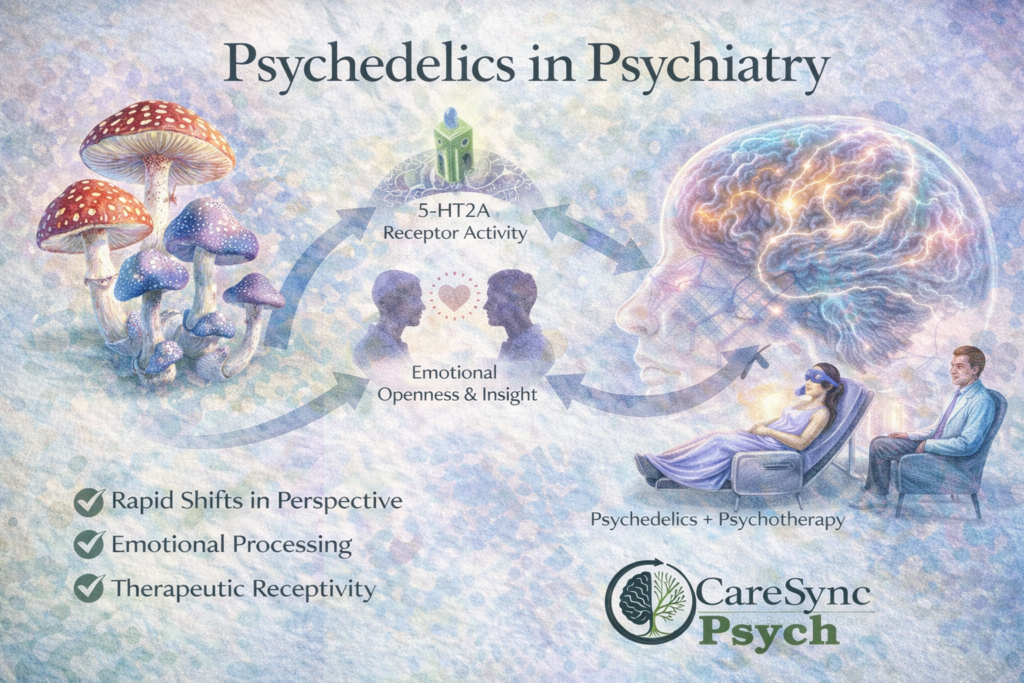
    • Psychedelics
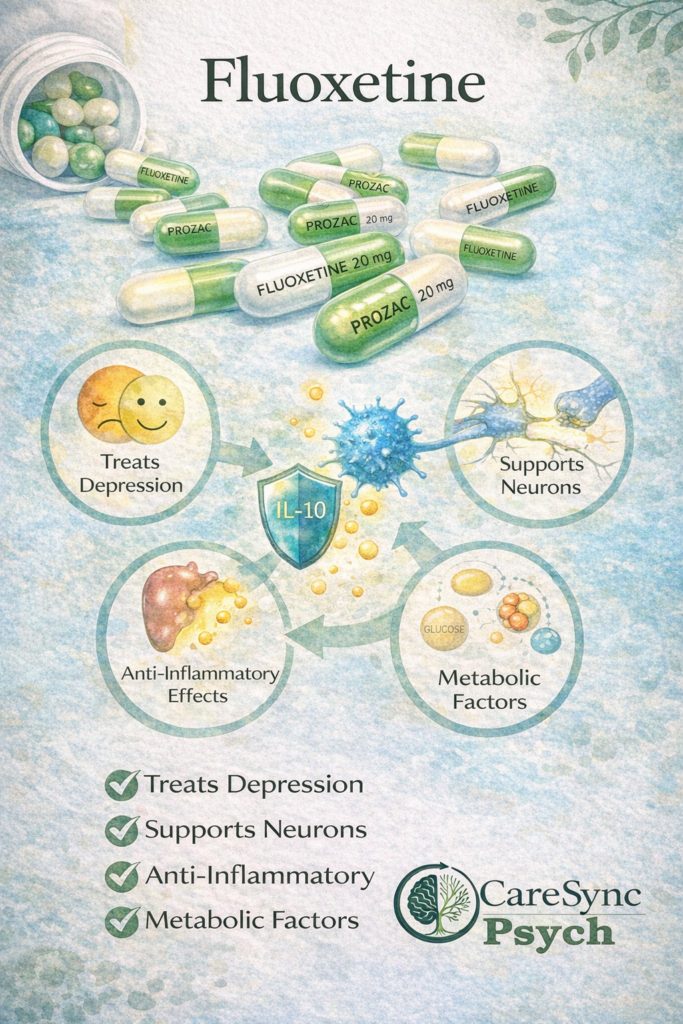
    • Fluoxetine: Why This “Oldie” is Still a Goody
    • Home
    • About Us
    • Services
    • Book An Appointment
    • Contact Us
    • Weight Loss Management & Control
    • Sample Page
    • Food Addiction & Binge Eating
    • Free Mental Health Worksheets to Download

    Copyright ©2026 all rights reserved
    CareSync™ Health