
Call us (863) 858-5554
HealthFlex
×
  • Home
  • About Us
    • Check Your Coverage
    • Insurance & Self-pay Options
    • Client-Centered Therapy
    • Sidebar – Blog
    • Crisis and After-Hours Care
    • Privacy Policy
  • Specializing In
    • Specializing In
    • Metabolic Psychiatry
    • Weight Management & Binge Eating
  • Services
    • Services
    • Medication Management for Mental Health
    • Telehealth
    • Client-Centered Therapy
    • Metabolic Psychiatry
  • Book An Appointment
  • Contact Us
    • Mental Health Crisis

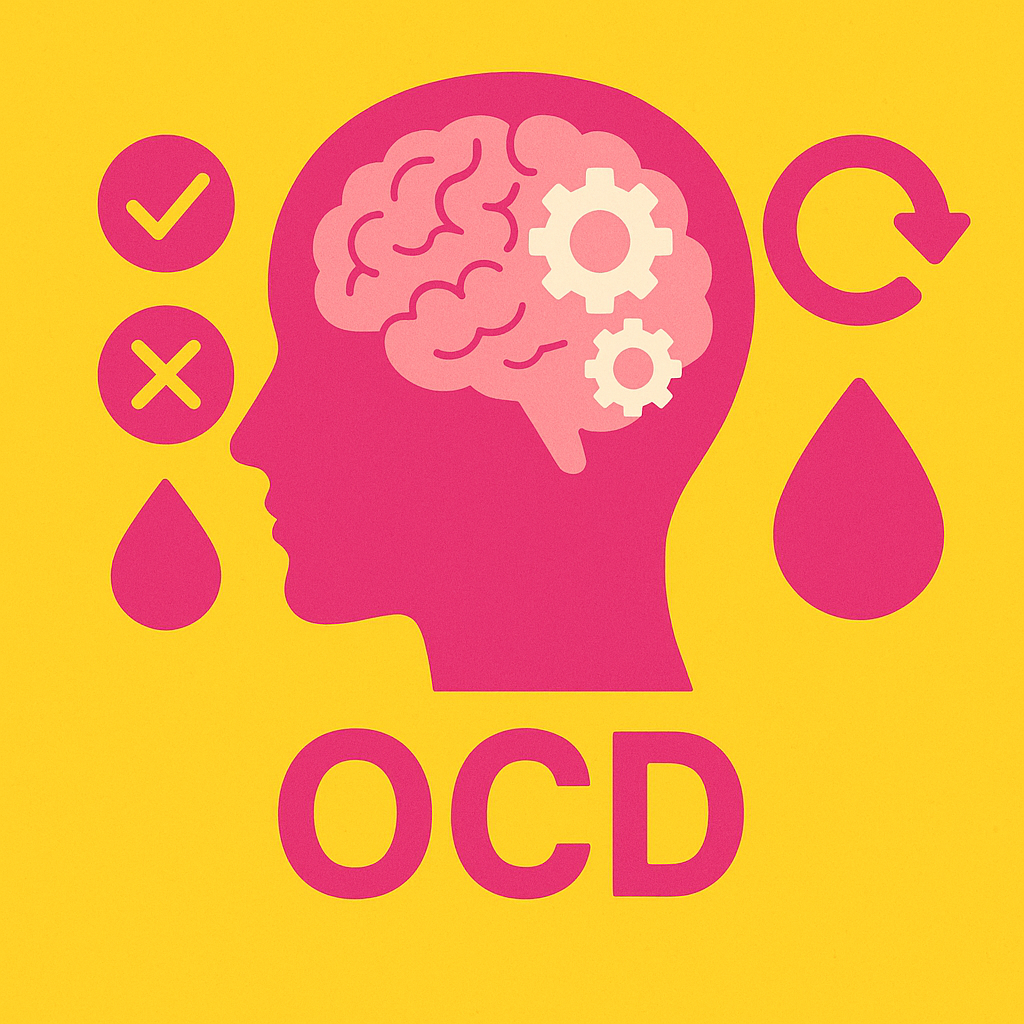
Obsessive-Compulsive Disorder (OCD)

Obsessive-Compulsive Disorder   (OCD)

Obsessive–Compulsive Disorder (OCD): A Whole-Person Guide

CareSync Psych Blog 

For More Info Visit CareSync Psych at www.caresyncpsych.com

Obsessive–Compulsive Disorder (OCD) is not a personality quirk or a preference for neatness—it’s a neuropsychiatric condition marked by intrusive, distressing thoughts (obsessions) and repetitive behaviors or mental acts (compulsions) performed to reduce anxiety. Untreated, OCD can consume hours each day; treated, it is highly manageable with the right combination of therapy and, when appropriate, medication (Curtiss et al., 2021; Singh et al., 2023).


What OCD Is—In Plain Language

  • Obsessions: Unwanted thoughts, images, or urges (e.g., “What if I harmed someone?” “What if this is contaminated?”).

  • Compulsions: Behaviors or mental rituals done to feel safer or “just right” (washing, checking, praying, counting, neutralizing thoughts). Relief is temporary, which keeps the cycle going.


The Three Lenses: Biology, Psychology, and Environment

1) Biology (Brain & Body)

  • Circuits: In OCD, fronto-striatal-thalamic networks (e.g., orbitofrontal cortex, anterior cingulate, caudate) show dysregulated error-detection and habit loops, which can over-signal that “something is wrong” (Jalal, Chamberlain, & Sahakian, 2023).

  • Neurochemistry: Serotonergic systems (and often glutamatergic/dopaminergic modulation) are implicated—why SSRIs and clomipramine can help reduce symptom severity (Singh et al., 2023).

2) Psychology (How the Mind Interprets)

  • Cognitive style: Inflated responsibility (“If I don’t check, something bad will happen”), intolerance of uncertainty, perfectionism, and thought-action fusion (“Thinking it is as bad as doing it”) maintain obsessions and drive rituals (Curtiss et al., 2021).

  • Behavioral loops: Compulsions and safety behaviors reduce distress short-term, unintentionally “teaching” the brain that obsessions are dangerous—so they rebound stronger.

3) Environment (Context Matters)

  • Stress & learning: Stressful events, family accommodation (others assisting rituals), and critical/high-expressed-emotion environments can worsen symptoms (Singh et al., 2023).

  • Comorbidity: Anxiety disorders, depression, and tic-related conditions are common and can shape presentation and treatment planning (Singh et al., 2023).


How OCD Manifests (It’s Not Just Cleaning)

Common Symptom Dimensions

  • Contamination/Illness → washing, sanitizing, testing, reassurance seeking

  • Harm/Responsibility → checking stoves/locks, mental review of past actions

  • Symmetry/“Just-Right” → arranging, repeating until the feeling clicks

  • Forbidden/Taboo Thoughts (sexual, violent, blasphemous) → covert neutralizing, avoidance of triggers

  • Hoarding/Saving → difficulty discarding due to feared loss/consequence

Hidden Compulsions (Easy to Miss)

Compulsions aren’t always visible. Many are covert or cognitive, including:

  • Mental rituals: Replaying, counting, praying, “canceling” bad thoughts

  • Reassurance seeking: “Are you sure I didn’t offend them?”—by text, Google, or loved ones

  • Avoidance & safety behaviors: Not touching doorknobs, avoiding news, steering clear of people/places that trigger obsessions.

    • Importantly, avoidance in OCD functions as a compulsion—a ritual to reduce distress. While avoidance is also common in PTSD, in OCD it’s part of the obsession-compulsion feedback loop rather than a trauma cue response; clinically, it’s targeted like any other ritual in treatment (Curtiss et al., 2021).


Book an Appointment

Diagnosis At-a-Glance

  • Core features: Time-consuming obsessions/compulsions, significant distress, functional impairment.

  • Rule-outs: Differentiate from generalized anxiety, psychotic disorders, autism/ADHD-related rigidity, and trauma-related conditions (Singh et al., 2023).

  • Specifiers: Insight level (good/fair, poor, absent), tic-related.


What Actually Helps: Evidence-Based Care

1) CBT with Exposure and Response Prevention (ERP) — First-Line

  • How it works: Gradual, therapist-guided exposures to feared triggers without performing rituals. Over time, the brain relearns safety; anxiety peaks and then naturally falls.

  • Targets visible and hidden rituals: ERP addresses mental compulsions and avoidance directly (response prevention).

  • Skills add-ons: Cognitive restructuring, uncertainty tolerance, mindfulness, and relapse-prevention plans (Curtiss et al., 2021).

2) Medication — Often Alongside ERP

  • SSRIs (e.g., fluoxetine, sertraline, fluvoxamine, paroxetine, escitalopram) and clomipramine have the strongest evidence; OCD often requires higher doses and longer trials than depression/anxiety (Singh et al., 2023).

  • Augmentation: For partial responders, options may include low-dose antipsychotic augmentation or glutamatergic strategies under specialist care (Singh et al., 2023).

  • Why combine? Medication can lower baseline anxiety and obsessional intensity, making ERP more doable and durable (Curtiss et al., 2021).

3) Whole-Person Supports (CareSync Psych Approach)

  • Family work: Reduce accommodation and coach supportive responses.

  • Lifestyle & metabolic health: Sleep, exercise, nutrition, and stress-regulation improve cognitive control and therapy engagement.

  • Digital/at-home ERP tools: Between-session tracking, trigger hierarchies, and structured practice sustain momentum.


Book an appointment

Prognosis: OCD Is Treatable

With ERP/CBT, appropriate medication, and consistent practice, most people experience substantial reduction in symptoms and reclaim time, energy, and freedom. Setbacks happen; with relapse-prevention skills and a collaborative plan, progress is maintainable (Curtiss et al., 2021; Singh et al., 2023).


Key Takeaways

  • OCD is a brain-based, behavior-maintained condition shaped by biology, psychology, and environment.

  • Compulsions can be invisible (mental rituals, reassurance seeking) and avoidance acts like a ritual in OCD.

  • ERP/CBT and SSRIs/clomipramine are gold-standard treatments; many benefit from both.

  • With skilled care and practice, OCD is highly manageable—recovery is realistic.


References

  • Curtiss, J. E., Levine, D. S., Ander, I., & Baker, A. W. (2021). Cognitive-behavioral treatments for anxiety and stress-related disorders. Focus, 19(2), 184–189.

  • Jalal, B., Chamberlain, S. R., & Sahakian, B. J. (2023). Obsessive-compulsive disorder: Etiology, neuropathology, and cognitive dysfunction. Brain and Behavior, 13(6), e3000.

  • Singh, A., Anjankar, V. P., & Sapkale, B. (2023). Obsessive-compulsive disorder (OCD): A comprehensive review of diagnosis, comorbidities, and treatment approaches. Cureus, 15(11).

Glucose and Neuroinflammation

Glucose and Neuroinflammation

Glucose and Hypometabolism

Cerebral glucose hypometabolism refers to a reduction in the brain’s ability to metabolize glucose, the primary source of neuronal energy. Because neurons have limited capacity for energy storage, consistent glucose supply is essential for proper cognitive, emotional, and behavioral function. When metabolism slows, neurons become less active, leading to impaired neurotransmission, synaptic plasticity, and overall brain performance — even before structural damage occurs.


🔬 Pathophysiology

Glucose metabolism in the brain occurs primarily through aerobic glycolysis, producing ATP to fuel neuronal signaling. When this process falters — whether due to mitochondrial dysfunction, neuroinflammation, insulin resistance, or oxidative stress — regions of the brain exhibit hypometabolism on FDG-PET (fluorodeoxyglucose positron emission tomography) scans.

Mechanisms contributing to cerebral hypometabolism include:

  • Mitochondrial dysfunction: decreased ATP synthesis impairs neuronal signaling.
  • Neuroinflammation: cytokines disrupt insulin and glucose pathways.
  • Brain insulin resistance: glucose uptake is blunted despite normal peripheral insulin levels.
  • Oxidative stress: damages neuronal membranes and enzymes critical for metabolism.

🧩 Clinical Correlations

Cerebral glucose hypometabolism is observed across neuropsychiatric and neurodegenerative disorders, with distinct regional patterns:

Condition Commonly Affected Regions Clinical Correlates
Alzheimer’s Disease Posterior cingulate, parietotemporal cortex Early memory loss and executive dysfunction
Frontotemporal Dementia Frontal and anterior temporal lobes Behavioral disinhibition, apathy
Major Depressive Disorder Dorsolateral prefrontal cortex, anterior cingulate Impaired concentration, emotional regulation
Schizophrenia Frontal and temporal regions Executive dysfunction, cognitive impairment
Bipolar Disorder Frontal, limbic circuits Mood instability, impulsivity
Traumatic Brain Injury Site-specific Cognitive slowing, emotional dysregulation

In psychiatry, hypometabolism often reflects neural circuit inefficiency rather than cell loss. For instance, decreased glucose utilization in the prefrontal cortex may explain poor emotional regulation in depression or executive dysfunction in schizophrenia.


⚕️ Integrative and Metabolic Psychiatry Perspective

At CareSync Psych, cerebral glucose hypometabolism underscores the mind-body connection — illustrating how metabolic and psychiatric processes intertwine. Emerging research links metabolic dysfunction (e.g., insulin resistance, obesity, chronic inflammation) with neuropsychiatric symptoms, suggesting that improving systemic metabolism may also enhance brain energy and mood stability.

Therapeutic approaches that can help restore cerebral metabolism include:

  • Lifestyle interventions: balanced nutrition, exercise, restorative sleep.
  • Nutritional psychiatry: ketogenic or low-glycemic diets supplying ketones as alternate brain fuel.
  • Pharmacologic supports: metformin, GLP-1 receptor agonists, and mitochondrial antioxidants (e.g., CoQ10).
  • Psychotherapy and mindfulness: reducing stress-driven cortisol spikes that impair glucose utilization.

🌿 Clinical Implications and Future Directions

  • FDG-PET imaging remains the gold standard to detect regional hypometabolism.
  • Metabolic psychiatry is reframing depression, anxiety, and cognitive decline as partly bioenergetic disorders.
  • Addressing glucose dysregulation early may prevent progression of cognitive and emotional disorders.
  • Future research aims to integrate metabolic biomarkers into psychiatric diagnostics and personalized treatment plans.

🧾 References (APA 7th Edition)

  • Butterfield, D. A., & Halliwell, B. (2019). Oxidative stress, dysfunctional glucose metabolism, and Alzheimer disease. Nature Reviews Neuroscience, 20(3), 148–160. https://doi.org/10.1038/s41583-019-0132-6
  • Cunnane, S. C., Trushina, E., Morland, C., Prigione, A., Casadesus, G., Andrews, Z. B., … & Mattson, M. P. (2020). Brain energy rescue: An emerging therapeutic concept for neurodegenerative disorders of ageing. Nature Reviews Drug Discovery, 19(9), 609–633. https://doi.org/10.1038/s41573-020-0072-x
  • Mosconi, L., Berti, V., Glodzik, L., Pupi, A., De Santi, S., & de Leon, M. J. (2010). Pre-clinical detection of Alzheimer’s disease using FDG-PET, with or without amyloid imaging. Journal of Alzheimer’s Disease, 20(3), 843–854. https://doi.org/10.3233/JAD-2010-091504
  • Rasgon, N. L., & McEwen, B. S. (2016). Insulin resistance—a missing link no more. Molecular Psychiatry, 21(12), 1648–1652. https://doi.org/10.1038/mp.2016.163
  • Tomasi, D., & Volkow, N. D. (2019). Associations between brain activation, glucose metabolism, and psychiatric symptoms in major depressive disorder. Molecular Psychiatry, 24(12), 1672–1680. https://doi.org/10.1038/s41380-018-0262-9
  • Zhang, X., Chen, W., Li, J., Zhang, Y., & Xu, Y. (2021). Brain glucose hypometabolism and psychiatric disorders: A review of mechanisms and therapeutic perspectives. Frontiers in Psychiatry, 12, 700–714. https://doi.org/10.3389/fpsyt.2021.700714

Understanding Panic Disorder: Breaking the Cycle of Fear

September 3, 2025AnxietyPanic disorder
Understanding Panic Disorder: Breaking the Cycle of Fear

Care Sync Psych Blog

Panic disorder is more than just feeling nervous or stressed. It’s a mental health condition where individuals experience repeated, unexpected panic attacks—sudden episodes of intense fear that trigger real physical reactions, even when there’s no immediate danger. For those living with panic disorder, the fear of having another attack often becomes as disabling as the attacks themselves.

At Care Sync Psych, we believe in treating the whole person—mind and body—by combining evidence-based psychiatric care with strategies that address the underlying emotional and physical patterns driving panic.

Book an Appointment


What is Panic Disorder?

Panic disorder is marked by sudden, overwhelming surges of fear, often accompanied by symptoms such as:

  • Rapid heartbeat or palpitations
  • Sweating or trembling
  • Shortness of breath or chest pain
  • Dizziness or nausea
  • Fear of losing control, going crazy, or dying

These attacks usually peak within minutes but can leave someone feeling drained for hours. Over time, many individuals develop anticipatory anxiety, avoiding situations where they fear a panic attack might occur (DeGeorge, Grover, & Streeter, 2022).


The Role of Emotions in Panic Disorder

Research shows that panic disorder isn’t only about fear—it’s also tied to how people process and regulate emotions. A systematic review found that difficulties with emotional intelligence, alexithymia (struggling to identify emotions), and poor coping strategies can intensify symptoms and prolong recovery (Oussi, Hamid, & Bouvet, 2023).

This means that panic disorder isn’t just about biology or environment—it’s about the interaction of brain, body, and emotions.


Treatment Approaches

At Care Sync Psych, treatment is customized and may include:

1. Medication Management

  • Antidepressants and anti-anxiety medications can help balance brain chemistry and reduce the frequency of panic attacks.
  • When necessary, short-term use of fast-acting medications may help manage acute episodes.

2. Psychotherapy

  • Cognitive Behavioral Therapy (CBT): Helps patients challenge catastrophic thoughts and gradually face triggers without fear.
  • Emotion Regulation Skills: Building awareness of feelings, improving emotional intelligence, and strengthening coping mechanisms (supported by Oussi et al., 2023).

3. Mind–Body Integration

At Care Sync Psych, we recognize the bidirectional relationship between the mind and body. Panic attacks have real physical symptoms—so treatment often includes:

  • Breathing and grounding exercises
  • Lifestyle modifications (nutrition, sleep, exercise)
  • Stress-reduction strategies to regulate both mood and metabolism

Why Care Sync Psych’s Dual Approach Works

Unlike one-size-fits-all treatment, we offer a dual approach:

  • Evidence-based medication and therapy to target brain and emotional processes.
  • Metabolic psychiatry and holistic care to address the physical, biological, and lifestyle factors that fuel anxiety and panic.

By syncing these approaches, we don’t just treat panic disorder—we help patients rebuild confidence, restore balance, and live with greater freedom.

Book an Appointment


Final Thoughts

Panic disorder can feel overwhelming, but recovery is possible. Understanding the emotional, biological, and physical aspects of the condition is the first step toward healing. At Care Sync Psych, our mission is to empower patients with tools, treatments, and strategies that bring the mind and body back into harmony.

You are not your panic—help and hope are available.


References

  • DeGeorge, K. C., Grover, M., & Streeter, G. S. (2022). Generalized anxiety disorder and panic disorder in adults. American Family Physician, 106(2), 157–164.
  • Oussi, A., Hamid, K., & Bouvet, C. (2023). Managing emotions in panic disorder: A systematic review of studies related to emotional intelligence, alexithymia, emotion regulation, and coping. Journal of Behavior Therapy and Experimental Psychiatry, 79, 101835. https://doi.org/10.1016/j.jbtep.2022.101835


Read More

  • Prev
  • 1
  • 2

About CareSync Psych

Mental health care that sees the whole person.

CareSync Psych is an outpatient mental health practice providing thoughtful, individualized psychiatric care with an integrated understanding of both mental and physical health.

Our approach combines evidence-based psychiatric care with collaboration, education, and attention to the medical, psychological, behavioral, and social factors that can influence how a person feels and functions.

Care is provided by a nurse practitioner who is dual board certified in Psychiatric-Mental Health and Family Medicine, bringing both perspectives into the assessment and treatment process.

Book an Appointment Contact CareSync Psych
CareSync Psych whole-person outpatient mental health and psychiatric care
Whole-Person Clinical Perspective Dual Board Certified in Psychiatric-Mental Health & Family Medicine
Multi-State Care

Licensed in Five States

FLORIDA  •  WASHINGTON  •  ARIZONA  •  TEXAS  •  IOWA

Telehealth availability depends on patient location, clinical appropriateness, and applicable practice requirements. In-person care is available in Lakeland, Florida.

Who We Are

Psychiatric care with a broader clinical perspective.

Mental health is rarely influenced by one factor alone. CareSync Psych approaches treatment with that complexity in mind.

Diagnosis, medication, psychotherapy, and symptom measurement are important parts of psychiatric care. But they exist within a larger picture that may include physical health, sleep, nutrition, stress, relationships, medications, hormones, metabolic factors, life experiences, environment, and behavior.

CareSync Psych was developed around a whole-person approach: understand the psychiatric symptoms while also considering relevant factors that may contribute to them, worsen them, or affect treatment.

This does not mean every patient needs every type of intervention. It means treatment begins with careful assessment and is individualized to the person rather than automatically applying the same approach to everyone.

Treating mental health sometimes requires understanding more than mental health alone.
CareSync Psych nurse practitioner dual board certified in psychiatric mental health and family medicine
Clinical Expertise

Two specialties. One integrated view of the patient.

Dual Board Certified Nurse Practitioner Psychiatric-Mental Health & Family Medicine

CareSync Psych is led clinically by a nurse practitioner with board certification spanning both psychiatric-mental health and family medicine.

That combination supports a broader clinical perspective. Psychiatric symptoms can intersect with sleep, chronic illness, medications, metabolic health, hormonal changes, nutrition, pain, neurological symptoms, and other medical considerations.

The goal is not to turn every psychiatric visit into a primary care visit. It is to recognize when the broader medical picture may matter, understand the potential connections, and incorporate that perspective into appropriate psychiatric assessment, treatment planning, monitoring, education, and referral.

Psychiatric Perspective Assessment, diagnosis, medication management, psychotherapy, behavioral health, and ongoing psychiatric treatment.
Medical Perspective Awareness of relevant physical health conditions, medications, laboratory findings, metabolic factors, and other medical considerations that may intersect with mental health.
Integrated Perspective A treatment plan that considers the person as a whole while remaining within the appropriate scope of each service.
The Patient Experience

What we want mental health care to feel like.

Clinical care should be professional without feeling impersonal. Patients should be able to ask questions, understand their options, and participate meaningfully in treatment decisions.

01

Thorough Enough to Understand

Treatment decisions are stronger when there is time to understand symptoms, history, context, previous treatment, medical considerations, concerns, and what matters to the patient.

02

Clear, Not Mysterious

Patients should understand what is being treated, why an option is being considered, potential benefits and risks, and what happens next.

03

Collaborative

Clinical expertise helps guide treatment, while the patient's experiences, goals, concerns, values, and preferences remain important parts of decision-making.

04

Flexible Enough to Change

Symptoms, health, goals, medications, relationships, and life circumstances change. Treatment should be reassessed and adjusted when appropriate.

05

Respectful of Choice

Patients may have different preferences regarding medication, psychotherapy, lifestyle changes, and other interventions. Those preferences deserve thoughtful discussion.

06

Focused on Real Life

Progress is more than a symptom score. It may mean sleeping better, returning to work, improving relationships, functioning more consistently, or enjoying life again.

Our Values

The principles behind our care.

These values influence how CareSync Psych approaches assessment, treatment, communication, and ongoing care.

Curiosity We do not assume the first explanation is always the complete explanation. Understanding comes before intervention.
Transparency Patients deserve understandable information about treatment options, potential risks and benefits, uncertainties, and reasonable alternatives.
Respect Mental health care should preserve dignity and recognize that patients bring their own experiences, priorities, cultures, values, and preferences to treatment.
Clinical Responsibility Compassion and evidence belong together. Treatment decisions should remain grounded in appropriate assessment, monitoring, safety, and clinical judgment.
Whole-Person Thinking Psychological and physiological health can intersect. Relevant physical health factors should not automatically be separated from the mental health conversation.
Setting Expectations

What CareSync Psych is—and what it is not.

A good fit matters. We want patients to understand the kind of outpatient mental health practice they are choosing.

CareSync Psych Is

  • An outpatient psychiatric and mental health practice
  • A setting for psychiatric evaluation and ongoing treatment
  • A collaborative treatment environment
  • A practice where medication may be used when clinically appropriate
  • A setting where psychotherapy and behavioral strategies may be incorporated into care
  • A practice that considers relevant psychological, medical, metabolic, lifestyle, and social context
  • A practice informed by both psychiatric-mental health and family medicine perspectives
  • A place where questions and shared decision-making are encouraged

CareSync Psych Is Not

  • A one-size-fits-all prescribing clinic
  • A practice where every concern automatically requires medication
  • A substitute for emergency psychiatric or medical care
  • A setting where physical health is ignored when it may be relevant to psychiatric treatment
  • A replacement for a patient's primary care provider or medical specialist
  • A place where patients are expected to agree with treatment without understanding their options
  • A promise that one treatment approach will work for everyone
Continuity Matters

Treatment is a process, not a single appointment.

Mental health care often works best with continuity— time to observe patterns, evaluate response, make adjustments, and understand how treatment is functioning in everyday life.

Follow-up visits may involve much more than renewing a prescription. They can include reviewing progress, discussing side effects, understanding new stressors, reassessing symptoms or diagnoses, reviewing sleep and functioning, considering relevant health changes, revisiting goals, and changing direction when appropriate.

That ongoing relationship is an important part of the CareSync Psych approach.

Explore Our Services
Person walking outdoors representing progress reflection and continuity in mental health care
Care Across Five States

Licensed in FL, WA, AZ, TX & IA.

CareSync Psych expands access through telehealth for eligible patients located in states where the provider is licensed, with in-person care available in Lakeland, Florida.

FL Florida
WA Washington
AZ Arizona
TX Texas
IA Iowa
Book an Appointment

Telehealth services are subject to patient location, provider licensure, clinical appropriateness, and applicable state and federal requirements.

Our Lakeland Office

In-person care in South Lakeland. Telehealth across five states.

For patients who prefer face-to-face care, CareSync Psych offers a private outpatient setting in Lakeland, Florida.

180 Fitzgerald Road
Suite 2
Lakeland, Florida 33813

Telehealth provides another option for eligible patients located in Florida, Washington, Arizona, Texas, and Iowa.

In-Person Mental Health Care Private outpatient appointments at our South Lakeland office.
Multi-State Telehealth Virtual care for eligible patients in FL, WA, AZ, TX & IA.
Outpatient Services Psychiatric evaluation, medication management, psychotherapy, and ongoing mental health treatment.
Integrated Perspective Care informed by dual board certification in Psychiatric-Mental Health and Family Medicine.
Book an Appointment Contact CareSync Psych
CareSync Psych

Mental health care with the whole person in mind.

CareSync Psych provides individualized outpatient mental health care grounded in clinical evidence, thoughtful collaboration, and an integrated understanding of psychological and physical health.

Dual Board Certified Nurse Practitioner in Psychiatric-Mental Health & Family Medicine
Licensed in Florida • Washington • Arizona • Texas • Iowa

Book an Appointment Email CareSync Psych

Therapy sessions that meet you where you are — not where you “should” be.

Ready to Begin Your Journey?

Book an Appointment Today.

Book an Appointment

CareSync Psych™ | Whole-Person Psychiatric Care

Dual Board-Certified in Family and Psychiatric-Mental Health Care

Jennifer Sanri is a dual board-certified Family Nurse Practitioner and Psychiatric-Mental Health Nurse Practitioner. Her advanced preparation in both family health and psychiatry supports an integrated approach that considers mental health symptoms alongside physical health, medications, sleep, nutrition, metabolic factors, and chronic medical conditions.

CareSync Psych provides personalized psychiatric evaluations, medication management, and psychotherapy-informed treatment. Although the practice serves people with a broad range of psychiatric and emotional concerns, Jennifer has a particular clinical focus on panic disorder, obsessive-compulsive disorder, and social anxiety disorder.

Panic Disorder

Thoughtful evaluation and individualized treatment for panic attacks, anticipatory anxiety, physical symptoms, avoidance, and fear of experiencing another episode.

OCD & Intrusive Thoughts

Evidence-informed psychiatric care for obsessive thoughts, compulsive behaviors, distressing intrusive thoughts, and related anxiety, with medication and therapy coordination when appropriate.

Social Anxiety

Personalized care for fear of judgment, performance anxiety, avoidance, physical anxiety symptoms, and difficulty participating comfortably in relationships, school, work, or social situations.

Comprehensive Psychiatric Care

CareSync Psych evaluates and treats a broad range of psychiatric conditions, including depression, generalized anxiety, trauma-related symptoms, PTSD, ADHD, bipolar disorders, insomnia, adjustment difficulties, and other mental health concerns. Services are provided when clinically appropriate and within the scope of an outpatient psychiatric practice.

Care options: In-person and telehealth psychiatric care are available in Florida. CareSync Psych provides fully remote telehealth services in Arizona, Washington, and Iowa, subject to licensure, clinical appropriateness, and applicable prescribing requirements.

Book an Appointment Meet Your Provider

Jennifer Sanri, APRN, FNP-BC, PMHNP-BC

Dual Board-Certified
Family Health + Psychiatric-Mental Health

Error: Contact form not found.

CareSync Psych

Ready to take the next step?

Explore appointment options, check your insurance coverage, or contact our office with questions about getting started.

Book an Appointment Check Insurance
CareSync Psych – Psychiatry and Mental Health Care
CareSync Psych

Personalized psychiatry, psychotherapy, medication management, and whole-person mental health care.

Explore Mental Health Care →
CareSync Wellness – Mind Body Wellness
CareSync Wellness

Personalized wellness services supporting metabolic health, healthy aging, and whole-person wellness.

Explore Wellness Care →

CareSync Psych

Lakeland Office 180 Fitzgerald Road, Suite 2
Lakeland, FL 33813
Phone 863-858-5554
Email info@caresyncpsych.com
View on Google Maps →

Patient Care

Book an Appointment Check Insurance Pricing & Self-Pay Psychotherapy Metabolic Psychiatry Areas of Focus

Explore

Home About Us Contact FREE Mental Health Worksheets Mental Health Support Mental Health Crisis Support Mental Health Articles CareSync Wellness →

Telehealth Care

Telehealth may be available for eligible patients physically located in states where the provider is licensed.

Arizona
Florida
Iowa
Washington
Not sure where to begin?

Contact us with general questions about services or scheduling.

Contact Our Office →
Need immediate help? If you are experiencing a crisis or emergency, call or text 988, dial 911, or go to the nearest emergency room. Online forms and routine office messages are not monitored 24/7.
© 2026 CareSync Psych. All rights reserved.
Privacy Terms Contact