Call us (863) 858-5554
HealthFlex
×
  • Home
  • About Us
    • Check Your Coverage
    • Insurance & Self-pay Options
    • Client-Centered Therapy
    • Sidebar – Blog
    • Crisis and After-Hours Care
    • Privacy Policy
  • Specializing In
    • Specializing In
    • Metabolic Psychiatry
    • Weight Management & Binge Eating
  • Services
    • Services
    • Medication Management for Mental Health
    • Telehealth
    • Client-Centered Therapy
    • Metabolic Psychiatry
  • Book An Appointment
  • Contact Us
    • Mental Health Crisis

Next Wave of Obesity Treatment & It’s Role in Mental Health

Weight Management

 Amylin & Weight Management | CareSync™ Psych

Peptide Therapy

Amylin and Weight Management: A Mental Health Perspective

CagriSema, an investigational combination of the amylin analogue cagrilintide and the GLP-1 medication semaglutide.

Another emerging approach combines eloralintide, an investigational amylin receptor agonist, with tirzepatide, which targets GIP and GLP-1 receptors.

CareSync™ Psych · Research & Education

Weight Management, Mental Health & the Next Wave of Treatment

A psychiatric perspective on amylin and emerging peptide medications

Research update · October 3, 2026

Weight changes can feel especially frustrating when you are already working hard to manage your mental health. Sleep, stress, and certain medications used for depression or psychotic disorders can contribute to weight gain. These concerns deserve a thoughtful conversation, without blame. [8]

New research into amylin offers another perspective on the biology of appetite—and on how future treatments may expand our options.

Recent scientific reviews describe how amylin-based medications could expand treatment options for obesity and type 2 diabetes. The innovation is in working with the biological signals that influence appetite, fullness, and blood sugar. [1–4]

What is amylin?

Amylin is a peptide hormone released by the pancreas alongside insulin. After a meal, it helps signal fullness, slows the movement of food from the stomach, and helps regulate blood sugar by reducing inappropriate glucagon release.

Scientists are developing longer-acting amylin analogues—medications designed to mimic some of these effects—to support weight management. They act through pathways that differ from those targeted by GLP-1 medications. [1–2]

Why are combination treatments getting attention?

Appetite and metabolism involve several interacting signals. Researchers are exploring whether targeting complementary pathways can produce greater benefits than targeting one pathway alone.

One example is CagriSema, an investigational combination of the amylin analogue cagrilintide and the GLP-1 medication semaglutide. Clinical studies have demonstrated substantial weight loss, and an application for U.S. approval has been submitted. An application is a step in the review process; it does not mean a medication is already approved or available for routine prescribing. [5]

Another emerging approach combines eloralintide, an investigational amylin receptor agonist, with tirzepatide, which targets GIP and GLP-1 receptors. In September 2026, Lilly reported that this combination produced greater weight loss than tirzepatide alone in a phase 2b study involving adults with overweight or obesity and type 2 diabetes. Gastrointestinal side effects and treatment discontinuation were also concerns. Larger trials are needed to clarify its benefits and tolerability. [6]

Promising research, realistic expectations.

Study results are averages—not predictions of an individual person’s outcome. Investigational treatments require further evaluation and regulatory review.

What does “peptide therapy” actually mean?

Peptides are short chains of amino acids. Some act as signals within the body, and some medications are designed to mimic those signals.

The word peptide alone does not tell us whether a product is effective, safe, or approved. Each medication needs its own evidence. Established prescription treatments, medications being studied in clinical trials, and products marketed online as “research peptides” have very different levels of oversight.

The FDA specifically warns against unapproved weight-loss products and states that cagrilintide and retatrutide cannot be used in compounding under federal law. Products labeled “for research purposes” should not be treated as patient medications. [7]

Why this matters in psychiatric care

At CareSync™ Psych, medication conversations include how treatment affects your daily life, including appetite, sleep, energy, and weight. If weight changes begin after a medication change, bring that concern to your prescriber. We can review the timing, benefits, side effects, and possible options together. Do not stop psychiatric medication on your own.

Appetite biology and emotional eating are related, but they are different parts of the picture. Medication research does not replace attention to stress, coping patterns, body image, or a history of disordered eating. Emerging amylin treatments should not be presented as established treatments for depression, anxiety, or eating disorders.

A plan that supports physical and emotional health

A thoughtful evaluation may include your current medications, weight trajectory, sleep, eating patterns, medical history, and metabolic health. We also want to understand what progress means to you—whether that is more energy, fewer medication-related concerns, a healthier relationship with food, or improved physical health.

For patients with a history of restrictive eating, binge eating, or purging, those experiences should be discussed before considering appetite-suppressing treatment. Your mental health and nutritional needs remain central to the plan.

Let’s talk about the whole picture

If appetite changes or weight concerns are affecting your well-being, schedule a visit with CareSync™ Psych. Together, we can review your treatment and discuss appropriate next steps, including coordination with medical or nutrition care when needed.

Visit CareSync™ Psych

CareSync™ Psych — Educational Disclaimer

Posts published by CareSync™ Psych are for educational and informational purposes only. They do not constitute medical advice, an individualized treatment recommendation, or an endorsement of any medication, peptide, product, procedure, or therapy discussed. Mention of a treatment does not imply that it is approved, appropriate for you, or offered by CareSync™ Psych. This content does not replace an evaluation by a qualified healthcare professional or establish a provider–patient relationship. Decisions about your healthcare, including starting, stopping, or changing medications or treatments, should be made collaboratively with your physician and treating healthcare team. Do not make treatment changes based solely on these posts. Healthcare evidence, regulatory status, and recommendations may change as new information becomes available.

References & further reading

  1. Lutz, T. A. (2026). Amylin analogues as a novel perspective in anti-obesity therapy. British Journal of Pharmacology.
  2. Secher, A., Lutz, T. A., & Raun, K. (2026). The story of amylin: from physiology to therapy. Nature Metabolism, 8, 299–312.
  3. Koleva, N., Dinkov, B., & Stavreva, G. (2026). Amylin and amylin analogs—future therapeutic strategies for the treatment of type 2 diabetes and obesity. Journal of IMAB, 32(2), 6901–6907.
  4. Le Foll, C., & Lutz, T. A. (2026). Amylin: A multi-functional pancreatic hormone—a review. Diabetes, Obesity and Metabolism, 28, 27–41.
  5. Novo Nordisk. CagriSema FDA submission for weight management. Manufacturer announcement.
  6. Eli Lilly and Company (September 30, 2026). EloraTZP phase 2b results. Manufacturer-reported study findings.
  7. U.S. Food and Drug Administration. FDA’s concerns with unapproved GLP-1 drugs used for weight loss.
  8. National Institute of Diabetes and Digestive and Kidney Diseases. Factors affecting weight & health.

Metabolic Psychiatry

CareSync™ Psych — Educational Disclaimer

Posts published by CareSync™ Psych are for educational and informational purposes only. They do not constitute medical advice, an individualized treatment recommendation, or an endorsement of any medication, peptide, product, procedure, or therapy discussed. Mention of a treatment does not imply that it is approved, appropriate for you, or offered by CareSync™ Psych. This content does not replace an evaluation by a qualified healthcare professional or establish a provider–patient relationship. Decisions about your healthcare, including starting, stopping, or changing medications or treatments, should be made collaboratively with your physician and treating healthcare team. Do not make treatment changes based solely on these posts. Healthcare evidence and recommendations may change as new information becomes available.

Brain Energy Metabolism & Mental Health | CareSync Psych

Brain Energy Metabolism & Mental Health | CareSync Psych

Metabolic Psychiatry & Mental Health Research

Brain Energy Metabolism & Mental Health | CareSync Psych

New research is changing how psychiatry understands the relationship between metabolism, brain function and mental health. Explore what metabolic psychiatry and the evidence means.

Could Brain Energy Metabolism Shape Mental Health?

Metabolic Psychiatry • Research Review

The Brain Has an Energy Story: What Metabolism May Mean for Mental Health

A 2025 Nature Mental Health Perspective brings together evidence linking brain bioenergetics, insulin signaling, inflammation and psychiatric symptoms—and outlines a more integrated direction for care.

CareSync Psych™ • Evidence-informed patient education • Updated September 2026

Schedule an Evaluation Explore Metabolic Psychiatry

Mental health is not separate from physical health. The brain is an energy-intensive organ that depends on a continuous supply of oxygen and nutrients, healthy mitochondrial function, glucose regulation and communication with the rest of the body. When those systems are strained, mood, cognition, motivation and stress resilience may also be affected.

That is the central theme of a 2025 Perspective by Andreazza and colleagues in Nature Mental Health. The authors reviewed research across neuroscience, psychiatry and metabolic medicine and proposed that altered energy metabolism is an important feature—often described as a “hallmark”—of several psychiatric disorders. They also outlined questions that researchers must answer before metabolic approaches can be matched reliably to individual patients.

The key point Metabolic health may influence psychiatric health, but this does not mean that every mental health condition is caused by metabolism—or that diet, supplements or weight loss can replace appropriate psychiatric treatment. The emerging goal is more complete, individualized care.

What Is Brain Energy Metabolism?

Every thought, emotion and action requires energy. Neurons use adenosine triphosphate, or ATP, to maintain electrical signaling, communicate across synapses and repair cellular damage. Much of that ATP is generated by mitochondria through oxidative phosphorylation. Cells can also make smaller amounts of energy through glycolysis, which breaks down glucose in the cell’s fluid compartment.

Both pathways are normal and necessary. Problems may emerge when energy production becomes inefficient, the balance between pathways shifts in an unhelpful way, or oxidative and inflammatory stress interfere with cellular function. Because the brain stores relatively little energy, it is especially sensitive to disruptions in supply and use.

Mitochondria

These cellular structures produce much of the ATP used by neurons and participate in signaling, stress responses and cellular repair.

Glucose & insulin

Insulin signaling helps regulate energy balance. Central and peripheral insulin resistance are related but distinct processes.

Redox balance

Cells continually balance oxidants and antioxidants. Disrupted balance may interact with inflammation and mitochondrial function.

Brain–body communication

The brain exchanges signals with the pancreas, liver, muscles, gut, immune system and other organs; mental and physical health are biologically connected.

Looking for care that considers the whole picture?

CareSync Psych integrates psychiatric assessment, medication management and metabolic-health considerations when clinically appropriate.

Book a Psychiatric Appointment

What Did the 2025 Paper Find?

The article is a scholarly Perspective that synthesizes prior research; it is not a randomized clinical trial and does not prove that a single metabolic intervention treats mental illness. Its value is in connecting findings from multiple areas and defining a research agenda.

1. Bioenergetic changes appear across diagnoses

The authors describe evidence of altered energy production, mitochondrial function and redox biology in major depressive disorder, bipolar disorder and schizophrenia. Some studies suggest a shift away from efficient mitochondrial energy production toward greater reliance on glycolysis, with potential effects on lactate, acidity, inflammation and neural function. The strength and pattern of these changes vary by diagnosis, illness stage, tissue and individual.

2. Metabolic differences are not explained only by medication

Some psychiatric medications can affect appetite, weight, lipids and glucose regulation. Lifestyle and social factors can also influence metabolic risk. However, the paper notes that metabolic abnormalities have been observed in medication-naïve people experiencing first-episode psychosis and were described before modern psychiatric medications existed. This supports a more complex, bidirectional relationship rather than a simple medication-only explanation.

3. Insulin signaling may be one important bridge

Insulin does more than control blood glucose. In the brain, it participates in synaptic signaling and plasticity. The authors discuss how impaired insulin signaling may interact with inflammation, oxidative stress and psychiatric symptoms. They also stress that insulin resistance in the brain is not identical to insulin resistance measured in the rest of the body; routine blood tests cannot directly tell us how insulin is functioning inside the brain.

4. The same diagnosis may have different metabolic profiles

Psychiatric diagnoses are heterogeneous. Two people with depression, for example, may have very different sleep patterns, medication effects, inflammatory burden, eating behaviors and cardiometabolic risks. The paper proposes that future treatment may be guided partly by a person’s metabolic pattern—not solely by a symptom label—but that validated biomarkers and larger trials are still needed.

Accessible psychiatric care across five states

Telehealth appointments are available for eligible patients located in Florida, Arizona, Washington, Texas and Iowa at the time of the visit. In-person appointments are available in Central Florida.

Contact CareSync Psych

Which Treatments Are Researchers Studying?

The authors describe a broad “probe–perturb–personalize” framework for studying how a person’s metabolic system responds to an intervention. Potential areas of research include exercise, sleep, dietary patterns, time-restricted eating, ketogenic interventions, GLP-1 receptor agonists, metformin, intranasal insulin and compounds that influence mitochondrial or redox biology.

These options do not have equal evidence, risk or clinical readiness. Some are established treatments for nonpsychiatric indications but remain investigational for direct psychiatric use. Others, particularly restrictive dietary interventions or fasting, can create meaningful risks for people with eating disorders, diabetes, pregnancy, kidney or liver disease, certain medication regimens, or other medical conditions.

Research is promising; personalization is essential. A metabolic intervention should not be selected simply because it is popular or biologically interesting. The right question is whether it is evidence-based, medically appropriate, sustainable and compatible with the person’s psychiatric treatment and history.

What This Can Mean in Real-World Psychiatric Care

Metabolic psychiatry expands the assessment; it does not abandon the foundations of mental health treatment. Depending on the individual, a thoughtful evaluation may consider:

  • Current symptoms, diagnosis, functioning, safety and treatment goals
  • Psychiatric and nonpsychiatric medications, including metabolic side effects and interactions
  • Sleep quality, circadian rhythm, energy, nutrition, movement and chronic stress
  • Weight trajectory, blood pressure and relevant personal or family medical history
  • Appropriate laboratory data, coordinated with primary care or specialists when needed
  • History of restrictive eating, binge eating, purging or other eating-disorder symptoms
  • Evidence-based psychotherapy, behavioral support and realistic measures of progress

This broader view may be especially useful when symptoms and metabolic concerns overlap, when a medication is affecting weight or glucose regulation, or when a patient wants to improve physical health without destabilizing mental health. It may also help clinicians avoid “diagnostic overshadowing,” in which physical symptoms are mistakenly attributed to a psychiatric condition.

Mental health and metabolic health deserve one coordinated conversation.

Start with an individualized assessment—not a one-size-fits-all protocol. We can review symptoms, medications, health history, lifestyle factors and appropriate next steps together.

Request a Metabolic Psychiatry Evaluation

What the Research Does Not Yet Prove

The enthusiasm around metabolic psychiatry should be matched by scientific humility. The paper highlights important limitations: psychiatric conditions and metabolic changes are diverse; central metabolism is difficult to measure; dietary trials are difficult to blind; adherence can affect outcomes; and early studies may attract participants who are especially motivated and expect improvement.

Current evidence does not justify telling patients that mitochondrial dysfunction or insulin resistance is the sole cause of their psychiatric symptoms. It also does not support abruptly stopping psychiatric medications, starting a restrictive diet without screening, or using supplements and metabolic medications without appropriate medical oversight.

The most responsible interpretation is hopeful but measured: metabolism is a meaningful part of the mental-health picture, and future research may help clinicians match treatments more precisely. These approaches are most likely to add to—not universally replace—established psychiatric care.

Questions to Ask Your Psychiatric Provider

  • Could any of my medications be affecting appetite, weight, sleep, glucose or lipids?
  • Are there metabolic or medical contributors that should be evaluated?
  • Would laboratory testing or coordination with primary care be appropriate?
  • How can I improve sleep, nutrition or activity without worsening anxiety, mood symptoms or disordered eating?
  • How will we track both psychiatric outcomes and physical-health outcomes?

Choose the visit format that fits your location.

Meet by secure telehealth from FL, AZ, WA, TX or IA, or schedule an in-person visit in Central Florida. Availability and clinical appropriateness are confirmed during scheduling.

Check Appointment Availability

Frequently Asked Questions

Is metabolic psychiatry the same as weight-loss treatment?

No. Metabolic psychiatry examines how metabolic, behavioral and physiological factors may interact with mental health. Weight may be relevant for some people, but it is not the sole focus or the only marker of metabolic health.

Can improving metabolic health cure depression or bipolar disorder?

Current evidence does not support a universal cure claim. Metabolic strategies may become useful components of individualized treatment, but outcomes vary and established psychiatric care remains important.

Should I try a ketogenic diet for mental health?

Do not begin a restrictive therapeutic diet without appropriate medical and nutritional screening. Early psychiatric research is promising in selected populations, but risks, medication interactions, sustainability and eating-disorder history must be considered.

Does CareSync Psych offer telehealth?

Yes. Telehealth is available to eligible patients physically located in Florida, Arizona, Washington, Texas or Iowa during the appointment. In-person care is available in Central Florida.

Medical disclaimer: This article is for educational purposes and is not medical advice, diagnosis or a substitute for individualized care. Do not stop medication, fast, begin a restrictive diet or start supplements or prescription treatment without consulting a qualified clinician. If you may harm yourself or someone else, call 911 or 988 or go to the nearest emergency department.
Featured reference
Andreazza, A. C., Barros, L. F., Behnke, A., Ben-Shachar, D., Berretta, S., Chouinard, V. A., et al. (2025). Brain and body energy metabolism and potential for treatment of psychiatric disorders. Nature Mental Health, 3(7), 763–771. https://doi.org/10.1038/s44220-025-00422-6

Explore Whole-Person Mental Health Care

Learn how CareSync Psych™ brings together psychiatric evaluation, medication management, psychotherapy, metabolic health assessment and behavioral support. Telehealth is available in Florida, Arizona, Washington, Texas and Iowa, with in-person appointments available in Central Florida.

Book an Appointment Metabolic Psychiatry Medication Management Psychotherapy Services Check Insurance Coverage Contact CareSync Psych

Care for the brain—and the whole person.

CareSync Psych provides psychiatric evaluation, medication management, psychotherapy-informed support and metabolic psychiatry services.

Schedule Your First Visit Call 863-777-1668

Fluoxetine: Why This “Oldie” is Still a Goody

Fluoxetine: Why This “Oldie” is Still a Goody

Fluoxetine: Why This “Oldie” is Still a Goody

Mental Wellness

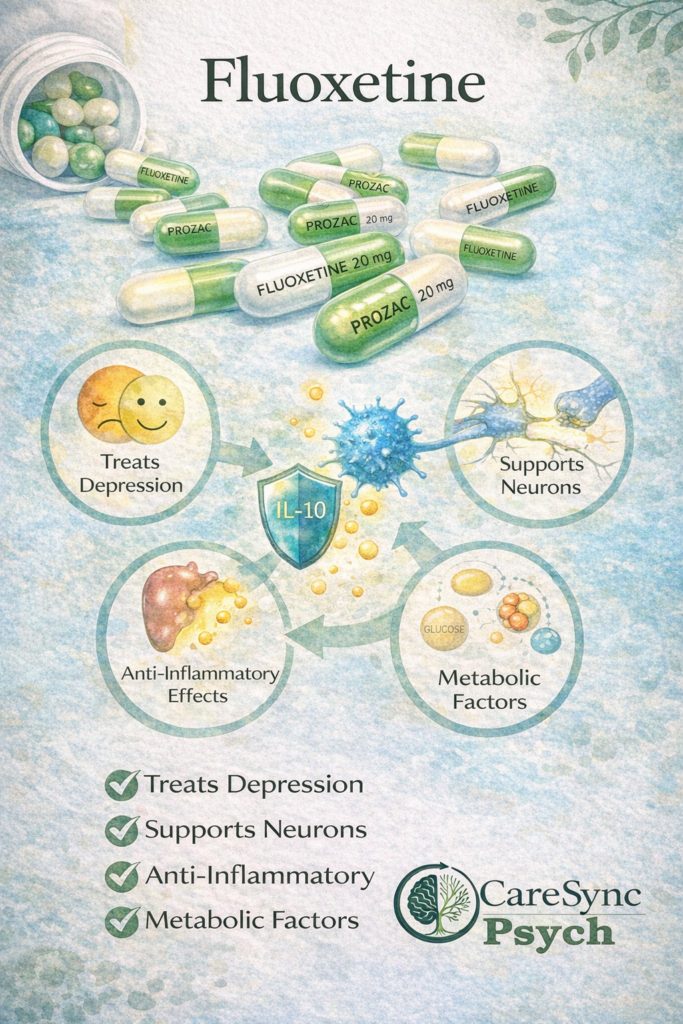
Fluoxetine (commonly known by the brand name Prozac) was first approved in the late 1980s. That means it’s a dinosaur medication in psychiatric terms. However new research reveals that this SSRI may still have biological consequences that are much deeper than just mood management.

Never take online information as an absolute. Do your own research. This post is not medical advise please ask your provider to guide your care

This post is not medical advice. Consult with your medical provider.

Two new studies show that fluoxetine may affect brain health, immunological function, and metabolic resilience. This suggests that the drug may have more therapeutic uses than previously thought.

Fluoxetine and Cognition

A systematic study conducted in 2024 examined the possible involvement of fluoxetine in Alzheimer’s disease and cognitive decline (Bougea et al., 2024).
Researchers discovered that fluoxetine may affect many molecular pathways associated with neurodegeneration:
• Neurogenesis—Fluoxetine may help new neurons grow, especially in the hippocampus, which is an area of the brain that is very important for memory.
• Less neuroinflammation: Long-term inflammation is a big reason why Alzheimer’s disease becomes worse. Fluoxetine seems to change how inflammation works in the brain.
• Amyloid-related pathways – Some studies done before fluoxetine was used on people show that it may affect the mechanisms that lead to amyloid plaque buildup.
• Synaptic plasticity – Fluoxetine may facilitate neuronal transmission by augmenting synaptic signaling.

Although this information does not show that fluoxetine is a medication for Alzheimer’s disease, This study suggests possibilities that the medicine may possess neuroprotective qualities that transcend its use in depression treatment.
(Bougea et al., 2024)

Fluoxetine and the Immune System

A research published in Science Advances in 2025 found something even more shocking. Researchers demonstrated that fluoxetine may boost IL-10–dependent metabolic defense mechanisms, which might help keep organisms alive after sepsis (Gallant et al., 2025). IL-10 is an important anti-inflammatory cytokine that controls immune responses and stops inflammation from becoming too bad.

The research revealed that fluoxetine can:
• turn on immune-metabolic pathways
• boost IL-10 signaling
• enhance resilience to intense inflammatory stress
This indicates that fluoxetine may affect immunological resilience and metabolic defense pathways, broadening its significance beyond psychiatry (Gallant et al., 2025).

What This Means for Mental Health

These findings indicate a broader trend in neuroscience and medicine.
Psychiatric treatments are not only “mood drugs.” They interact with a number of biological systems, such as:

Fluoxetine

Is It Depression—Or Are You Low on Vitamin D? What You Need to Know

The Brain-Gut Connection: New Research

The Brain-Gut Connection: New Research

The Brain–Gut Connection: What New Research Tells Us About Mental Health

Recent scientific studies are shedding transformative light on how our gut and brain communicate — not just in digestion, but in mood, cognition, and overall mental wellness. This gut–brain connection is becoming a central pillar in understanding resilience, stress regulation, and even neurodevelopmental health.

About Us

The Microbiome as a “Second Brain”

Research by Gwak & Chang (2021) highlights the role of the gut microbiome — the trillions of bacteria living in our digestive tract — in influencing the brain through immune, endocrine, and neural pathways. These microbial communities help regulate:

  • Neurotransmitter production

  • Inflammation and immune response

  • Gut barrier integrity

When the gut barrier weakens (“leaky gut”), inflammatory signaling can travel to the brain, which may affect mood and cognition. This underscores that maintaining gut health is not just physical — it’s deeply psychological.

Takeaway: A balanced microbial ecosystem may help support emotional regulation and stress resilience.

Synaptic Plasticity & Development

Damiani, Cornuti & Tognini (2023) expand this picture, showing that gut microbes can influence neuroplasticity, the brain’s capacity to change and adapt. Their work suggests:

  • Gut microbiota may impact brain development

  • Alterations in microbiome composition are associated with neurodevelopmental disorders

  • Microbial metabolites can modulate synaptic signaling

This research invites us to think beyond traditional psychiatry: early-life microbial exposures and diet might play a role in shaping lifelong mental health trajectories.

In a recent review, Manske (2024) outlines how gut–brain dynamics are relevant across the lifespan. Key points include:

  • Bidirectional communication through the vagus nerve and immune signals

  • How stress and mood influence gastrointestinal function

  • The potential for dietary and lifestyle interventions to support both gut and mental health

This integrative lens encourages clinicians and patients alike to value holistic care — from nourishing foods and sleep to stress management and movement.

Hormones & Mental Health: Why Your Biology Matters

Hey! I am first heading line feel free to change me

Small, sustainable lifestyle choices can ripple into both gut and brain health.

A Future of Connected Care

As research continues to unfold, the brain–gut axis stands out as a bridge between mental and physical health — reminding us that healing pathways are interconnected. By integrating science with compassionate care, we can help people thrive both emotionally and biologically

Metabolic Psychiatry

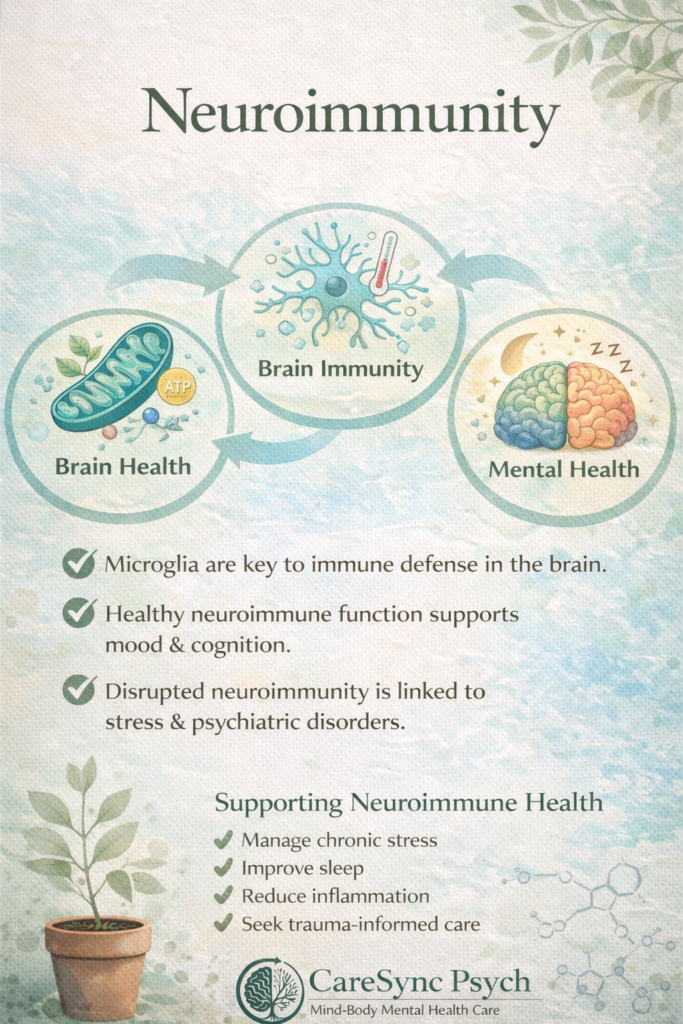
Neuroimmunity and Mental Health: Why the Immune System in the Brain Matters More Than We Once Thought

Neuroimmunity and Mental Health: Why the Immune System in the Brain Matters More Than We Once Thought

Neuroimmunity and Mental Health:

Why the Immune System in the Brain Matters More Than We Once Thought

Why Neuroimmunity Is Important for Mental Health

Stress Directly Alters Brain Immune Function

Chronic psychological stress does not just affect mood—it reprograms microglial activity. Prolonged stress exposure can lead to:

  • Increased neuroinflammation

  • Impaired synaptic plasticity

  • Altered emotional processing

This helps explain why chronic stress increases vulnerability to depression, anxiety, and trauma-related disorders (Sequeira & Bolton, 2023).

Bipolar Disorder and Neuroimmune Dysregulation

Recent evidence supports a neuroimmune hypothesis of bipolar disorder, suggesting that microglial dysfunction contributes to mood instability, neuroprogression, and cognitive changes.

Chaves-Filho et al. (2024) describe how altered microglial signaling and inflammatory markers are consistently observed in bipolar disorder, even outside of acute mood episodes. This suggests that immune dysregulation may be a core feature, not just a secondary effect.

Metabolic Psychiatry

PTSD, Anhedonia, and Immune Suppression

Neuroimmunity is not always about excessive inflammation. In some conditions, immune activity may be suppressed or dysregulated in the opposite direction.

Bonomi et al. (2024) found that microglia-mediated neuroimmune suppression in PTSD was associated with anhedonia, the inability to experience pleasure. This highlights how both overactivation and underactivation of neuroimmune pathways can impair emotional functioning.

Supporting the brain’s immune system is not alternative—it is emerging neuroscience.

What Neuroimmunity Means for Brain Health

Healthy neuroimmune function supports:

  • Cognitive clarity

  • Emotional regulation

  • Stress resilience

  • Neural repair and plasticity

Dysregulated neuroimmunity is increasingly linked to:

  • Depression

  • Bipolar disorder

  • PTSD

  • Cognitive impairment

  • Fatigue and brain fog

This shifts mental health care away from a purely “chemical imbalance” model toward a systems-based brain health model.

Medication Management for Mental Health

What We Can Do to Support Neuroimmune Health

Neuroimmunity is modifiable. While not everything is within personal control, evidence suggests several modifiable factors influence microglial health.

1. Reduce Chronic Stress Load

Persistent stress is one of the strongest drivers of neuroimmune dysregulation. Therapy, nervous system regulation, and adequate recovery time are foundational.


2. Address Sleep and Circadian Health

Sleep disruption directly alters microglial activity. Restorative sleep is essential for immune regulation in the brain.


3. Support Metabolic Health

Insulin resistance, obesity, and metabolic dysfunction are associated with systemic inflammation that crosses into the brain. Metabolic psychiatry recognizes this brain–body link

4. Treat Psychiatric Conditions Early and Consistently

Untreated or recurrent episodes of mood and trauma-related disorders may contribute to neuroimmune sensitization over time.


5. Consider a Whole-Person Treatment Model

Psychotherapy, medication when appropriate, lifestyle interventions, and medical evaluation work together to reduce neuroimmune burden.

Immunity and Mental Health

A CareSync Psych Perspective

At CareSync Psych, neuroimmunity reinforces an important truth:
Mental health is not separate from physical health.

The brain responds to stress, trauma, metabolism, sleep, and inflammation. When we treat mental health through a whole-person lens, we are supporting the immune system of the brain—not just neurotransmitters.

This perspective does not replace therapy or medication—it enhances their effectiveness by addressing upstream contributors to psychiatric symptoms.

Understanding neuroimmune health moves mental health care toward precision, prevention, and integration.

Supporting the brain’s immune system is not alternative—it is emerging neuroscience.

Anxiety Treatment at CareSync Psych

References (APA)

Bonomi, R., Hillmer, A. T., Woodcock, E., Bhatt, S., Rusowicz, A., Angarita, G. A., et al. (2024). Microglia-mediated neuroimmune suppression in PTSD is associated with anhedonia. Proceedings of the National Academy of Sciences, 121(35), e2406005121. https://doi.org/10.1073/pnas.2406005121

Chaves-Filho, A., Eyres, C., Blöbaum, L., Landwehr, A., & Tremblay, M. È. (2024). The emerging      neuroimmune hypothesis of bipolar disorder: An updated overview of neuroimmune and microglial findings. Journal of Neurochemistry, 168(9), 1780–1816.

Sequeira, M. K., & Bolton, J. L. (2023). Stressed microglia: Neuroendocrine–neuroimmune interactions in the stress response. Endocrinology, 164(7), bqad088. https://doi.org/10.1210/endocr/bqad088

Hormones & Mental Health: Why Your Biology Matters

Hormones & Mental Health: Why Your Biology Matters

Hormones & Mental Health: Why Your Biology Matters

CareSync Psych | Mind–Body Mental Health Care

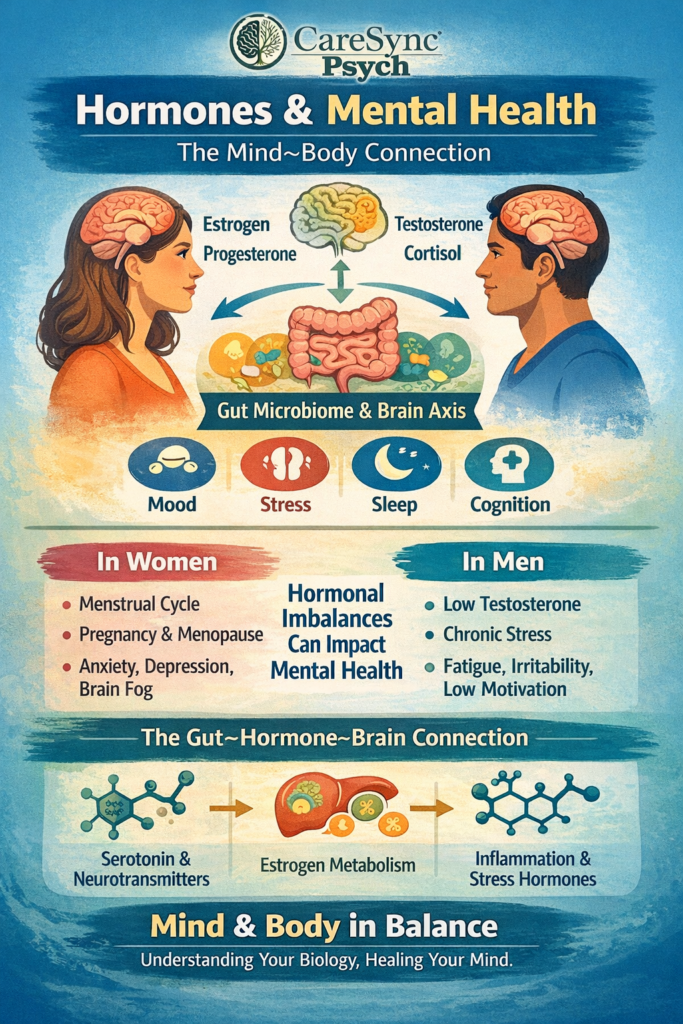
Mental health is not “all in your head.” It is deeply rooted in biology—and hormones play a central role in how we think, feel, cope, and heal. At CareSync Psych, we approach mental health through a whole-person lens, recognizing that hormones, brain chemistry, the gut, and stress systems are constantly communicating.

Below is a clear, science-informed look at what hormones are, why they matter, and how hormonal shifts in women and men can meaningfully impact mental wellbeing.

What Are Hormones—and Why Do They Affect Mental Health?

Hormones are chemical messengers released by endocrine glands (such as the ovaries, testes, adrenal glands, thyroid, and gut). They travel through the bloodstream and influence nearly every system in the body, including:

  • Mood and emotional regulation

  • Stress response and resilience

  • Sleep–wake cycles

  • Energy, motivation, and cognition

  • Appetite, cravings, and weight regulation

The brain is both a target and a regulator of hormones. When hormones fluctuate or fall out of balance, the brain’s neurotransmitters (like serotonin, dopamine, GABA, and glutamate) are directly affected—shaping anxiety, depression, irritability, focus, and emotional stability.

Services

Women, Hormones & Mental Health

Women experience more frequent and dynamic hormonal shifts across the lifespan, which helps explain why certain mood and anxiety conditions are more prevalent in women.

Key Hormones Involved

  • Estrogen – Supports serotonin, dopamine, neuroplasticity, and stress buffering

  • Progesterone – Has calming, GABA-modulating effects; low levels can increase anxiety and insomnia

  • Cortisol – The stress hormone; chronic elevation worsens anxiety, depression, and burnout

Common Hormonal Transition Points

  • Puberty

  • Menstrual cycle (PMDD, cyclical anxiety/depression)

  • Pregnancy & postpartum

  • Perimenopause & menopause

When estrogen or progesterone fluctuate or decline, many women experience:

  • Increased anxiety or panic symptoms

  • Depressive episodes

  • Irritability or emotional reactivity

  • Brain fog and sleep disruption

These symptoms are biological, not personal weakness—and they are treatable.

Men, Hormones & Mental Health

Hormonal influences on men’s mental health are often overlooked, yet they are just as impactful.

Key Hormones Involved

  • Testosterone – Influences motivation, confidence, mood stability, and cognition

  • Cortisol – Chronic stress suppresses testosterone and worsens mood symptoms

Low or declining testosterone (due to aging, chronic stress, sleep deprivation, inflammation, or metabolic dysfunction) can contribute to:

  • Depression and apathy

  • Anxiety and irritability

  • Fatigue and low motivation

  • Cognitive slowing and poor concentration

Mental health symptoms in men are frequently misattributed to “stress” alone, when hormonal and metabolic factors are significant drivers.

Anxiety Treatment at CareSync Psych

The Gut–Hormone–Brain Connection

Hormones do not operate in isolation. The gut microbiome plays a critical role in regulating hormones and mental health through what is known as the gut–brain axis.

The gut:

  • Produces and modulates neurotransmitters (including serotonin)

  • Influences estrogen metabolism (the “estrobolome”)

  • Affects inflammation and cortisol signaling

Gut imbalance, chronic stress, poor nutrition, or metabolic dysfunction can worsen:

  • Anxiety and depression

  • Hormonal instability

  • Brain fog and emotional dysregulation

This is why addressing gut health and metabolic factors is increasingly recognized as essential in modern psychiatric care.

Why This Matters in Mental Health Treatment

Traditional psychiatry often focuses only on symptoms. A hormone-informed approach asks deeper questions:

  • What biological systems are driving these symptoms?

  • Are hormonal shifts, stress physiology, or metabolic health contributing?

At CareSync Psych, we integrate:

  • Psychiatric evaluation and medication management

  • Hormone-aware mental health assessment

  • Lifestyle and stress-regulation strategies

  • Gut–brain and metabolic considerations

This allows treatment to be more precise, compassionate, and effective.

GLP-1

The Takeaway

Hormones shape mental health in powerful, real, and measurable ways—for both women and men. Mood changes, anxiety, irritability, fatigue, and brain fog are often signals, not flaws.

Understanding your biology creates clarity. Addressing it creates healing.

If your mental health feels out of sync, it may not be “just psychological.”
It may be your body asking for a more integrated approach.

CareSync Psych is here to help you reconnect the dots—mind, body, and brain—so treatment finally fits you.

Metabolic Psychiatry

Lithium Orotate: What the New Science Suggests (and What It Doesn’t)

Lithium Orotate: What the New Science Suggests (and What It Doesn’t)

Lithium is a naturally occurring element found in the Earth’s crust, trace amounts of water, soil, and certain foods.

It is not a synthetic drug—it exists in nature as a mineral salt and has been part of the human environment for thousands of years.

In medicine, lithium carbonate (prescription) is best known for its long-standing role in psychiatry, particularly in the treatment of bipolar disorder, mood instability, and suicide prevention. Its use in modern psychiatry dates back over 70 years.

This makes lithium carbonate (prescription version) one of the most well-studied treatments in mental health.

At CareSync Psych, lithium is understood through a mind–body, metabolic psychiatry lens, where brain chemistry, inflammation, kidney health, and overall physiology are all considered together.

Lithium Orotate

Lithium has one of the strongest evidence bases in psychiatry—especially for mood stabilization and suicide risk reduction. But lately, there’s growing buzz around a supplement form: lithium orotate.

So what does the research about lithium orotate say? Let’s start with-what is lithium orotate?


What is lithium orotate?

Lithium orotate is a compound where lithium is bound to orotic acid and is sold as a an over the counter dietary supplement (not a prescription medication). However, because it’s regulated differently than prescription lithium, dose consistency and quality can vary by product—and it may not be appropriate or safe for everyone (Devadason, 2018).

Potential benefits of lithium orotate

what early evidence suggests

1) Different pharmacokinetics may change potency

Preclinical work suggests lithium orotate may distribute differently in the body compared to lithium carbonate (commonly prescribed form), potentially delivering lithium to the brain more efficiently at lower doses in animal models. (Pacholko & Bekar, 2021).

2) Anti-manic effects displayed in mice model research.

In a mouse model of mania, lithium orotate showed anti-manic–like effects at lower elemental lithium doses than lithium carbonate—raising the question of whether it could be a more “potent” option in controlled settings (Pacholko & Bekar, 2023).

Is Lithium Orotate Safe to Take?

1) Human Research Trials of Lithium Orotate Are Still Very New and Limited

There are no large, high-quality human clinical trials establishing lithium orotate as a standard treatment for bipolar disorder, mania, or depression. Current discussion in the literature is cautious and exploratory (Devadason, 2018).

2) Safety and toxicity concerns remain real

A toxicological review highlights that safety depends on dose, duration, and exposure—and that “supplement” does not mean risk-free (Murbach et al., 2021).

3) Lithium is lithium—monitoring still matters

Prescription lithium requires careful monitoring because it can affect kidneys, thyroid, hydration/electrolytes, and interacts with common medications. The core clinical challenge is always balancing mental health benefits with renal safety (Strawbridge & Young, 2022).

Medication Management for Mental Health

Potential harms & interactions to know

Lithium (including lithium orotate or supplemental forms) could become unsafe with dehydration, illness, or interacting meds.

Major interaction categories include:

  • NSAIDs (ibuprofen/naproxen) → can raise lithium levels

  • ACE inhibitors / ARBs (common BP meds) → can raise lithium levels

  • Diuretics (especially thiazides) → can raise lithium levels

  • Dehydration, vomiting/diarrhea, heavy sweating → can raise lithium levels

  • Kidney disease or reduced kidney function → higher risk

  • Pregnancy/breastfeeding → requires specialist-level risk/benefit discussion

(General lithium safety principles; reinforced by clinical emphasis on renal balance in Strawbridge & Young, 2022.)

What is Metabolic Psychiatry?

Is lithium orotate ever recommended?

In mainstream psychiatric practice, lithium orotate is not a first-line or standard recommendation for bipolar disorder/mania because:

  • robust human trial evidence is lacking

  • supplement regulation and dose reliability vary

  • lithium still carries real interaction and organ-risk considerations

That said, the preclinical findings are interesting and may justify future clinical research—but for now, decisions should be individualized and medically supervised. (Devadason, 2018; Pacholko & Bekar, 2021; Pacholko & Bekar, 2023)


CareSync Psych take

If you’re considering lithium orotate because you want a “safer lithium,” here’s the safest framework:

✅ Don’t self-prescribe or combine with interacting meds
✅ Consider baseline labs and medical history (especially kidney/thyroid)
✅ Prioritize evidence-based options first
✅ If exploring supplements, do it with a clinician who understands lithium pharmacology

Weight Loss Management & Control

Book an Appointment

You Might Not Be Diabetic but You Could Be Insulin Resistant

You Might Not Be Diabetic but You Could Be Insulin Resistant

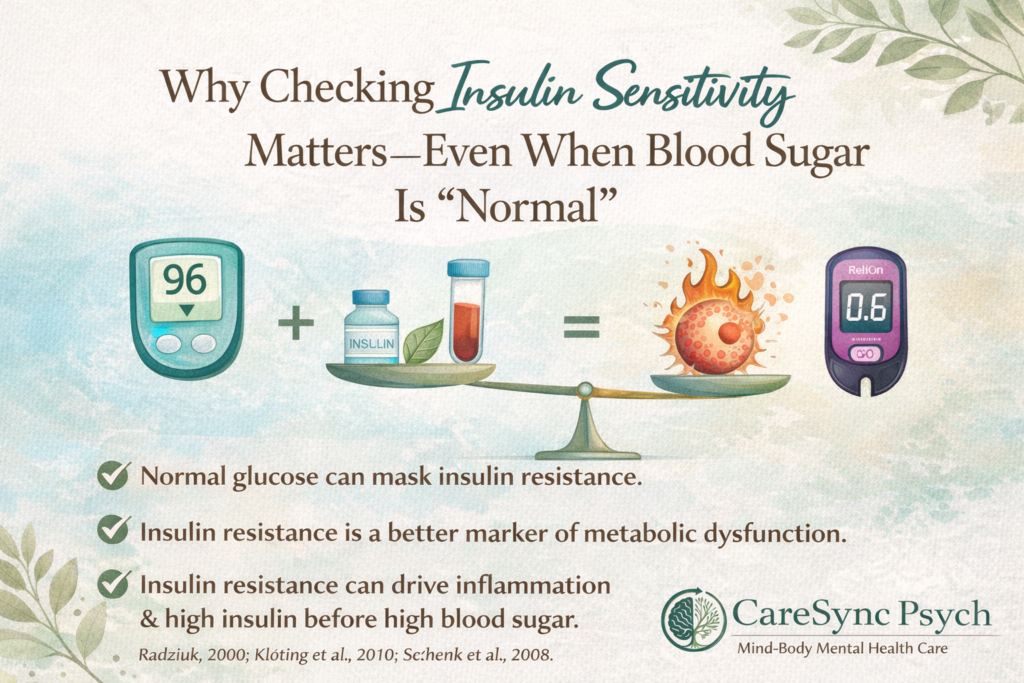
Why Insulin Resistance Matters—Even When Blood Sugar Is “Normal”

You might have insulin resistance even though your glucose levels are normal; this can impact your physical and mental health.

Many people are told their labs are “normal” and assume their metabolic health is fine—especially when fasting glucose falls within the expected range. Yet growing research shows that insulin sensitivity often declines years before blood sugar becomes abnormal. This hidden phase of metabolic dysfunction can quietly affect brain health, mood, energy, weight regulation, and inflammation, long before diabetes ever appears.

At CareSync Psych, we take a mind-body approach to mental health. Understanding insulin sensitivity is a critical part of that picture.

CareSync Psych in Lakeland Florida

-helps patients across Florida understand insulin resistance, metabolic health, and inflammation through metabolic psychiatry. Even with normal blood sugar, impaired insulin sensitivity may drive metabolic dysfunction, obesity, and prediabetes

Insulin Sensitivity vs. Blood Sugar: What’s the Difference?

Insulin Sensitivity vs. Blood Sugar: What’s the Difference?

Glucose is the sugar circulating in your bloodstream.
Insulin is the hormone that helps move glucose from the blood into cells so it can be used for energy.

  • Good insulin sensitivity = cells respond easily to insulin

  • Insulin resistance = cells stop responding well, so the body must release more insulin to keep blood sugar normal

Here’s the key point:
👉 Blood sugar can stay normal for years while insulin levels are chronically elevated.

This is why fasting glucose alone often misses early metabolic dysfunction.

You might have insulin resistance even though your glucose levels are normal; this can impact your physical and mental health.

Many people are told their labs are “normal” and assume their metabolic health is fine—especially when fasting glucose falls within the expected range. Yet growing research shows that insulin sensitivity often declines years before blood sugar becomes abnormal. This hidden phase of metabolic dysfunction can quietly affect brain health, mood, energy, weight regulation, and inflammation, long before diabetes ever appears.

At CareSync Psych, we take a mind-body approach to mental health. Understanding insulin sensitivity is a critical part of that picture.

CareSync Psych in Lakeland Florida helps patients across Florida understand insulin resistance, metabolic health, and inflammation through metabolic psychiatry. Even with normal blood sugar, impaired insulin sensitivity may drive metabolic dysfunction, obesity, and prediabetes (Radziuk, 2000; Schenk et al., 2008).

Insulin Sensitivity vs. Blood Sugar: What’s the Difference?

You might have insulin resistance even though your glucose levels are normal; this can impact your physical and mental health.

At CareSync Psych, we take a mind-body approach to mental health. Understanding insulin sensitivity is a critical part of that picture.

Glucose is the sugar circulating in your bloodstream.
Insulin is the hormone that helps move glucose from the blood into cells so it can be used for energy.

  • Good insulin sensitivity = cells respond easily to insulin

  • Insulin resistance = cells stop responding well, so the body must release more insulin to keep blood sugar normal

Here’s the key point:
👉 Blood sugar can stay normal for years while insulin levels are chronically elevated.

This is why fasting glucose alone often misses early metabolic dysfunction.

Understanding Glucose Metabolism Disorders & Inflammation

Why Insulin Resistance Is a Better Early Marker of Metabolic Health

Research consistently shows that insulin resistance develops first, while glucose abnormalities come later (Radziuk, 2000).

During this stage:

  • The pancreas compensates by producing more insulin

  • Blood sugar appears “normal” on routine labs

  • Inflammation and metabolic stress increase quietly

Why Insulin Resistance Is a Better Early Marker of Metabolic Health

Research consistently shows that insulin resistance develops first, while glucose abnormalities come later (Radziuk, 2000).

During this stage:

  • The pancreas compensates by producing more insulin

  • Blood sugar appears “normal” on routine labs

  • Inflammation and metabolic stress increase quietly

The state of metabolic stress state places strain on multiple systems, including the brain, which is highly sensitive to insulin signaling.

The state of metabolic stress state places strain on multiple systems, including the brain, which is highly sensitive to insulin signaling.

Learn More

“Insulin-Sensitive Obesity” vs. “Hidden Insulin Resistance”

Interestingly, not all metabolic dysfunction looks the same.

Some individuals with higher body weight remain relatively insulin sensitive, while others—often at a “normal” weight—develop insulin resistance (Klöting et al., 2010). This means:

  • Weight alone does not define metabolic health

  • Thin individuals can still have significant insulin resistance

  • Mental health symptoms may appear before physical signs

This is especially relevant in psychiatry, where fatigue, depression, anxiety, brain fog, and poor stress tolerance may have metabolic contributors.

Understanding Glucose Metabolism Disorders & Inflammation

How Insulin Resistance Affects the Brain and Mental Health

Insulin plays a role far beyond blood sugar control. In the brain, insulin signaling supports:

  • Neurotransmitter balance

  • Cognitive function

  • Mood regulation

  • Stress response

When insulin resistance develops, chronic low-grade inflammation increases and brain signaling becomes less efficient (Schenk et al., 2008).

This inflammatory state has been linked to:

  • Depression
  • Anxiety
  • Cognitive slowing
  • Increased stress sensitivity
  • Difficulty regulating appetite and energy
This is one reason metabolic psychiatry looks upstream—before symptoms become entrenched.

Glucose and Neuroinflammation

Why “Normal Labs” Don’t Always Mean Optimal Health

Standard labs often focus on fasting glucose or A1C, which detect problems only after insulin resistance has progressed significantly. Earlier markers may include:

  • Elevated fasting insulin

  • HOMA-IR

  • Triglyceride-to-HDL ratio

  • Signs of systemic inflammation

By the time glucose rises, insulin resistance has often been present for years.

A Metabolic Psychiatry Perspective

At CareSync Psych, we believe mental health care works best when it addresses underlying physiology, not just symptoms. Measuring insulin sensitivity helps us:

  • Identify early metabolic stress

  • Personalize treatment plans

  • Support mood, cognition, and energy more effectively

  • Integrate lifestyle, nutrition, and medical strategies thoughtfully

This approach does not replace psychiatric care—it enhances it by treating the whole person.

What is Metabolic Psychiatry?

CareSync Psych in Lakeland Florida helps patients across Florida understand insulin resistance, metabolic health, and inflammation through metabolic psychiatry.

Even with normal blood sugar, impaired insulin sensitivity may drive metabolic dysfunction, obesity, and prediabetes.

Metabolic Psychiatry

What should you keep in mind?

  • Insulin resistance often appears before blood sugar abnormalities

  • Normal glucose does not guarantee metabolic health

  • Insulin sensitivity is a more sensitive early marker of dysfunction

  • Metabolic health and mental health are deeply interconnected

By identifying these patterns early, we can support long-term mental and physical well-being—before disease develops.

CareSync Psych in Lakeland Florida helps patients across Florida understand insulin resistance, metabolic health, and inflammation through metabolic psychiatry. Even with normal blood sugar, impaired insulin sensitivity may drive metabolic dysfunction, obesity, and prediabetes


Mind-Body Mental Health Care


🌴 Telehealth across Florida
📍 In-person visits in Lakeland, FL
💳 Insurance & Affordable Self-Pay Options


🔗 caresyncpsych.com

Understanding Glucose Metabolism Disorders & Inflammation

Understanding Glucose Metabolism Disorders & Inflammation

Metabolic Psychiatry

Understanding Glucose Metabolism Disorders & Inflammation

Metabolic Psychiatry is an emerging approach that focuses on how your health and metabolism impact your brain.

(And how it matters for mental health and overall wellness)


What do we mean by “glucose metabolism disorders”?

Book an Appointment

At its simplest: glucose metabolism refers to how your body handles sugar (glucose) — absorbing, using, storing, and regulating it. A “disorder” of glucose metabolism implies that one or more steps in that process is impaired, such that blood sugar levels run too high (hyperglycemia) or variably swing.

Common clinical entities include:


    • Insulin resistance — when cells (muscle, fat, liver) become less responsive to insulin, so more insulin is needed to keep blood sugar in check. Wikipedia+1
    • Prediabetes / impaired glucose tolerance — early dysregulation before full-blown type 2 diabetes
    • Type 2 diabetes mellitus — sustained hyperglycemia because the system (insulin secretion + insulin sensitivity) fails to compensate adequately
    • Hyperglycemia / elevated postprandial glucose — spikes of blood sugar after meals that stress the system Wikipedia+1

These metabolic disturbances are not just “lab numbers” — they interact deeply with inflammation, cell signaling, and systemic health, and may even influence cancer risk. Piątkiewicz & Czech (2011) review how altered glucose metabolism is implicated in cancer risk through pathways like oxidative stress, chronic inflammation, and dysregulation in cell proliferation. PubMed+2ResearchGate+2


Why is inflammation involved?

Inflammation and glucose dysregulation are tightly linked — each can exacerbate the other in a vicious cycle.


    • In states of insulin resistance or hyperglycemia, there is increased oxidative stress and production of reactive oxygen species, which can trigger inflammatory pathways. Wiley Online Library+2PMC+2
    • Pro-inflammatory cytokines (e.g. TNF-α, IL-6) impair insulin signaling and contribute to further insulin resistance. PMC+2AHADigital+2
    • Metabolic inflammation (sometimes called “meta-inflammation”) is a low-grade, chronic inflammatory state associated with obesity, excess fat in tissues, dysregulated adipokines, and immune cell infiltration into metabolic organs (liver, fat, muscle). AHADigital+2JA Clinical Online+2
    • In the Piątkiewicz & Czech framework, chronic dysregulation of glucose and insulin may also impair anti-cancer surveillance (for instance via effects on NK cells) and promote the microenvironment favoring tumorigenesis. Spandidos Publications+3PubMed+3ResearchGate+3

In short: when glucose metabolism is out of balance, it tends to fuel inflammation. In turn, that inflammation worsens metabolic regulation. Breaking the cycle is a key therapeutic goal.


Mental health, inflammation, and glucose metabolism

Because CareSync Psych is focused on psychiatric/psychological well-being, it’s worth noting:


    • Inflammation is implicated in mood disorders, cognitive dysregulation, and neuropsychiatric conditions.
    • Insulin resistance and hyperglycemia can influence brain energy metabolism, neuroinflammation, and neurotransmitter systems.
    • Many psychotropic medications (e.g. some antipsychotics, mood stabilizers) have metabolic side effects — weight gain, insulin resistance — which increase vulnerability to glucose dysregulation and inflammation.

Thus, supporting better glucose homeostasis can have synergy with psychiatric care, improving not just physical health but potentially mental health outcomes.


What does the science say about Metabolic Psychiatry ?

Evidence-Based Strategies to Reduce Inflammation & Support Healthy Glucose Metabolism

Below are examples of possible strategies:


1. Dietary / Nutritional Modulation


    • Emphasize whole, minimally processed foods: lots of vegetables, legumes, whole grains, lean proteins, nuts. This helps supply fiber, phytonutrients, antioxidants. PMC+3JA Clinical Online+3JACC+3
    • Choose low-glycemic index/load carbohydrates to avoid huge post-meal glucose spikes. JACC+1
    • Include anti-oxidant and anti-inflammatory nutrients — e.g. polyphenols, flavonoids, vitamins (C, E), carotenoids. The LWW article you referenced deals with how antioxidants may help buffer oxidative stress in the context of glucose disorders. Lippincott Journals
    • Prioritize omega-3 fatty acids (from fatty fish, flax, chia) — these can help counter pro-inflammatory lipid signaling.
    • Avoid or reduce ultraprocessed foods, added sugars, refined carbs — these contribute to inflammation, insulin spikes, and lipotoxicity. JA Clinical Online+2Wiley Online Library+2
    • Consider “nutritional timing” / meal sequencing: Some research suggests that eating protein and fiber before carbs, or spreading carbs across the day, may blunt postprandial glycemic responses. JACC+1
    • Modulate the gut microbiome: Dietary fiber (prebiotics), fermented foods, and supporting microbial diversity help maintain gut barrier integrity and reduce systemic endotoxin-driven inflammation. Wikipedia+1


2. Physical Activity & Exercise


    • Exercise improves insulin sensitivity (especially in muscle) and helps glucose uptake independent of insulin.
    • It also stimulates AMP-activated protein kinase (AMPK), a cellular “energy sensor” that helps shift metabolism toward more efficient, healthier processing. JA Clinical Online+3arXiv+3Nature+3
    • Both aerobic and resistance training are beneficial; consistency is more important than intensity for most clients.
    • Even moderate daily movement (e.g. walking after meals) can moderate postprandial glucose spikes and reduce inflammation.


3. Weight Management & Body Composition


    • Excess adiposity (especially visceral fat) is strongly pro-inflammatory and contributes to insulin resistance.
    • Gradual, sustainable weight loss can reduce inflammation, improve insulin sensitivity, and relieve metabolic stress. AHADigital+2PMC+2


4. Sleep, Circadian Rhythm & Stress Regulation


    • Poor or insufficient sleep is associated with worse insulin sensitivity, dysregulated appetite hormones, and elevated inflammatory markers.
    • Aligning eating/fasting windows with circadian rhythms (for example, avoiding late-night eating) may help glycemic control.
    • Stress (psychological or physiological) raises cortisol, which antagonizes insulin and can push glucose higher — meditation, biofeedback, breathwork, psychotherapy are all relevant.


5. Pharmacological / Medical Adjuncts (in collaboration with providers)


    • Some glucose-lowering medications also have anti-inflammatory effects. For example, metformin is believed to act beyond glucose, modulating inflammation via AMPK pathways. Wikipedia+2Nature+2
    • Newer agents (e.g. semaglutide) are being studied for both metabolic and anti-inflammatory benefits. ScienceDirect
    • In diabetes, certain drugs (e.g. thiazolidinediones) may reduce inflammation more than others for the same glycemic reduction. PMC+1
    • Some studies are exploring immunometabolism (targeting metabolic pathways in immune cells) as a future anti-inflammatory strategy. Nature


6. Antioxidant Support & Supplementation (with caution)


    • Because oxidative stress is a mediator between hyperglycemia and inflammation, antioxidants (dietary or supplemental) may help buffer the damage.
    • But: indiscriminate high-dose antioxidant supplementation can have drawbacks (e.g. interfering with beneficial reactive oxygen signaling).
    • It’s safer to prioritize obtaining antioxidants via whole foods (berries, dark greens, nuts, colorful vegetables) rather than “megadoses” of supplements.
    • Book an Appointment


    Metabolic Psychiatry involves how you eat, sleep, move, manage stress, and control blood sugar all change how your brain functions.

    So instead of focusing only on symptoms like anxiety or depression, metabolic psychiatry also explores things like:

    • inflammation

    • insulin resistance

    • nutrient deficiencies

    • symptoms

    • chronic stress hormones

    • sleep and circadian rhythm

    The goal is to treat mental health from both sides:
    brain chemistry + whole-body biology.

    Metabolic Psychiatry in Lakeland, Florida. In-person or telehealth available for the whole state of Florida.

    References

    Azzi, A., Davies, K. J., & Kelly, F. (2004). Free radical biology—Terminology and critical thinking. FEBS Letters, 558(1–3), 3–6.

    Bastard, J. P., Maachi, M., Lagathu, C., Kim, M. J., Caron, M., Vidal, H., Capeau, J., & Feve, B. (2006). Recent advances in the relationship between obesity, inflammation, and insulin resistance. European Cytokine Network, 17(1), 4–12.

    Czech, A., & Piątkiewicz, P. (2011). Glucose metabolism disorders and the risk of cancer. Archivum Immunologiae et Therapiae Experimentalis, 59(3), 215–230.

    Dandona, P., Aljada, A., & Bandyopadhyay, A. (2004). Inflammation: The link between insulin resistance, obesity, and diabetes. Trends in Immunology, 25(1), 4–7. https://doi.org/10.1016/j.it.2003.10.013

    Evans, J. L., Goldfine, I. D., Maddux, B. A., & Grodsky, G. M. (2002). Oxidative stress and stress-activated signaling pathways: A unifying hypothesis of type 2 diabetes. Endocrine Reviews, 23(5), 599–622. https://doi.org/10.1210/er.2001-0039

    Giugliano, D., Ceriello, A., & Esposito, K. (2006). The effects of diet on inflammation: Emphasis on the metabolic syndrome. Journal of the American College of Cardiology, 48(4), 677–685. https://doi.org/10.1016/j.jacc.2006.03.052

    Grundy, S. M. (2016). Metabolic syndrome update. Trends in Cardiovascular Medicine, 26(4), 364–373. https://doi.org/10.1016/j.tcm.2015.10.004

    Hawley, J. A., & Lessard, S. J. (2008). Exercise training-induced improvements in insulin action. Acta Physiologica, 192(1), 127–135. https://doi.org/10.1111/j.1748-1716.2007.01783.x

    Hotamisligil, G. S. (2017). Inflammation, metaflammation, and immunometabolic disorders. Nature, 542(7640), 177–185. https://doi.org/10.1038/nature21363

    Piątkiewicz, P., & Czech, A. (2010). Antioxidants and glucose metabolism disorders. Current Opinion in Clinical Nutrition & Metabolic Care, 13(4), 512–518.

    Rains, J. L., & Jain, S. K. (2011). Oxidative stress, insulin signaling, and diabetes. Free Radical Biology & Medicine, 50(5), 567–575. https://doi.org/10.1016/j.freeradbiomed.2010.12.006

    Reaven, G. M. (2005). The insulin resistance syndrome: Definition and dietary approaches to treatment. Annual Review of Nutrition, 25(1), 391–406. https://doi.org/10.1146/annurev.nutr.24.012003.132155

    Vozarova, B., Weyer, C., Hanson, K., Tataranni, P. A., Bogardus, C., & Pratley, R. E. (2001). Circulating interleukin-6 in relation to adiposity, insulin action, and insulin secretion. Obesity Research, 9(7), 414–417. https://doi.org/10.1038/oby.2001.54

    Xu, H., Barnes, G. T., Yang, Q., Tan, G., Yang, D., Chou, C. J., … & Chen, H. (2003). Chronic inflammation in fat plays a crucial role in the development of obesity-related insulin resistance. Journal of Clinical Investigation, 112(12), 1821–1830. https://doi.org/10.1172/JCI19451

    Glucose and Neuroinflammation

    Glucose and Neuroinflammation

    Glucose and Hypometabolism

    Cerebral glucose hypometabolism refers to a reduction in the brain’s ability to metabolize glucose, the primary source of neuronal energy. Because neurons have limited capacity for energy storage, consistent glucose supply is essential for proper cognitive, emotional, and behavioral function. When metabolism slows, neurons become less active, leading to impaired neurotransmission, synaptic plasticity, and overall brain performance — even before structural damage occurs.


    🔬 Pathophysiology

    Glucose metabolism in the brain occurs primarily through aerobic glycolysis, producing ATP to fuel neuronal signaling. When this process falters — whether due to mitochondrial dysfunction, neuroinflammation, insulin resistance, or oxidative stress — regions of the brain exhibit hypometabolism on FDG-PET (fluorodeoxyglucose positron emission tomography) scans.

    Mechanisms contributing to cerebral hypometabolism include:

    • Mitochondrial dysfunction: decreased ATP synthesis impairs neuronal signaling.
    • Neuroinflammation: cytokines disrupt insulin and glucose pathways.
    • Brain insulin resistance: glucose uptake is blunted despite normal peripheral insulin levels.
    • Oxidative stress: damages neuronal membranes and enzymes critical for metabolism.

    🧩 Clinical Correlations

    Cerebral glucose hypometabolism is observed across neuropsychiatric and neurodegenerative disorders, with distinct regional patterns:

    Condition Commonly Affected Regions Clinical Correlates
    Alzheimer’s Disease Posterior cingulate, parietotemporal cortex Early memory loss and executive dysfunction
    Frontotemporal Dementia Frontal and anterior temporal lobes Behavioral disinhibition, apathy
    Major Depressive Disorder Dorsolateral prefrontal cortex, anterior cingulate Impaired concentration, emotional regulation
    Schizophrenia Frontal and temporal regions Executive dysfunction, cognitive impairment
    Bipolar Disorder Frontal, limbic circuits Mood instability, impulsivity
    Traumatic Brain Injury Site-specific Cognitive slowing, emotional dysregulation

    In psychiatry, hypometabolism often reflects neural circuit inefficiency rather than cell loss. For instance, decreased glucose utilization in the prefrontal cortex may explain poor emotional regulation in depression or executive dysfunction in schizophrenia.


    ⚕️ Integrative and Metabolic Psychiatry Perspective

    At CareSync Psych, cerebral glucose hypometabolism underscores the mind-body connection — illustrating how metabolic and psychiatric processes intertwine. Emerging research links metabolic dysfunction (e.g., insulin resistance, obesity, chronic inflammation) with neuropsychiatric symptoms, suggesting that improving systemic metabolism may also enhance brain energy and mood stability.

    Therapeutic approaches that can help restore cerebral metabolism include:

    • Lifestyle interventions: balanced nutrition, exercise, restorative sleep.
    • Nutritional psychiatry: ketogenic or low-glycemic diets supplying ketones as alternate brain fuel.
    • Pharmacologic supports: metformin, GLP-1 receptor agonists, and mitochondrial antioxidants (e.g., CoQ10).
    • Psychotherapy and mindfulness: reducing stress-driven cortisol spikes that impair glucose utilization.

    🌿 Clinical Implications and Future Directions

    • FDG-PET imaging remains the gold standard to detect regional hypometabolism.
    • Metabolic psychiatry is reframing depression, anxiety, and cognitive decline as partly bioenergetic disorders.
    • Addressing glucose dysregulation early may prevent progression of cognitive and emotional disorders.
    • Future research aims to integrate metabolic biomarkers into psychiatric diagnostics and personalized treatment plans.

    🧾 References (APA 7th Edition)

    • Butterfield, D. A., & Halliwell, B. (2019). Oxidative stress, dysfunctional glucose metabolism, and Alzheimer disease. Nature Reviews Neuroscience, 20(3), 148–160. https://doi.org/10.1038/s41583-019-0132-6
    • Cunnane, S. C., Trushina, E., Morland, C., Prigione, A., Casadesus, G., Andrews, Z. B., … & Mattson, M. P. (2020). Brain energy rescue: An emerging therapeutic concept for neurodegenerative disorders of ageing. Nature Reviews Drug Discovery, 19(9), 609–633. https://doi.org/10.1038/s41573-020-0072-x
    • Mosconi, L., Berti, V., Glodzik, L., Pupi, A., De Santi, S., & de Leon, M. J. (2010). Pre-clinical detection of Alzheimer’s disease using FDG-PET, with or without amyloid imaging. Journal of Alzheimer’s Disease, 20(3), 843–854. https://doi.org/10.3233/JAD-2010-091504
    • Rasgon, N. L., & McEwen, B. S. (2016). Insulin resistance—a missing link no more. Molecular Psychiatry, 21(12), 1648–1652. https://doi.org/10.1038/mp.2016.163
    • Tomasi, D., & Volkow, N. D. (2019). Associations between brain activation, glucose metabolism, and psychiatric symptoms in major depressive disorder. Molecular Psychiatry, 24(12), 1672–1680. https://doi.org/10.1038/s41380-018-0262-9
    • Zhang, X., Chen, W., Li, J., Zhang, Y., & Xu, Y. (2021). Brain glucose hypometabolism and psychiatric disorders: A review of mechanisms and therapeutic perspectives. Frontiers in Psychiatry, 12, 700–714. https://doi.org/10.3389/fpsyt.2021.700714
    • 1
    • 2
    • Next

    About CareSync Psych

    Mental health care that sees the whole person.

    CareSync Psych is an outpatient mental health practice providing thoughtful, individualized psychiatric care with an integrated understanding of both mental and physical health.

    Our approach combines evidence-based psychiatric care with collaboration, education, and attention to the medical, psychological, behavioral, and social factors that can influence how a person feels and functions.

    Care is provided by a nurse practitioner who is dual board certified in Psychiatric-Mental Health and Family Medicine, bringing both perspectives into the assessment and treatment process.

    Book an Appointment Contact CareSync Psych
    CareSync Psych whole-person outpatient mental health and psychiatric care
    Whole-Person Clinical Perspective Dual Board Certified in Psychiatric-Mental Health & Family Medicine
    Multi-State Care

    Licensed in Five States

    FLORIDA  •  WASHINGTON  •  ARIZONA  •  TEXAS  •  IOWA

    Telehealth availability depends on patient location, clinical appropriateness, and applicable practice requirements. In-person care is available in Lakeland, Florida.

    Who We Are

    Psychiatric care with a broader clinical perspective.

    Mental health is rarely influenced by one factor alone. CareSync Psych approaches treatment with that complexity in mind.

    Diagnosis, medication, psychotherapy, and symptom measurement are important parts of psychiatric care. But they exist within a larger picture that may include physical health, sleep, nutrition, stress, relationships, medications, hormones, metabolic factors, life experiences, environment, and behavior.

    CareSync Psych was developed around a whole-person approach: understand the psychiatric symptoms while also considering relevant factors that may contribute to them, worsen them, or affect treatment.

    This does not mean every patient needs every type of intervention. It means treatment begins with careful assessment and is individualized to the person rather than automatically applying the same approach to everyone.

    Treating mental health sometimes requires understanding more than mental health alone.
    CareSync Psych nurse practitioner dual board certified in psychiatric mental health and family medicine
    Clinical Expertise

    Two specialties. One integrated view of the patient.

    Dual Board Certified Nurse Practitioner Psychiatric-Mental Health & Family Medicine

    CareSync Psych is led clinically by a nurse practitioner with board certification spanning both psychiatric-mental health and family medicine.

    That combination supports a broader clinical perspective. Psychiatric symptoms can intersect with sleep, chronic illness, medications, metabolic health, hormonal changes, nutrition, pain, neurological symptoms, and other medical considerations.

    The goal is not to turn every psychiatric visit into a primary care visit. It is to recognize when the broader medical picture may matter, understand the potential connections, and incorporate that perspective into appropriate psychiatric assessment, treatment planning, monitoring, education, and referral.

    Psychiatric Perspective Assessment, diagnosis, medication management, psychotherapy, behavioral health, and ongoing psychiatric treatment.
    Medical Perspective Awareness of relevant physical health conditions, medications, laboratory findings, metabolic factors, and other medical considerations that may intersect with mental health.
    Integrated Perspective A treatment plan that considers the person as a whole while remaining within the appropriate scope of each service.
    The Patient Experience

    What we want mental health care to feel like.

    Clinical care should be professional without feeling impersonal. Patients should be able to ask questions, understand their options, and participate meaningfully in treatment decisions.

    01

    Thorough Enough to Understand

    Treatment decisions are stronger when there is time to understand symptoms, history, context, previous treatment, medical considerations, concerns, and what matters to the patient.

    02

    Clear, Not Mysterious

    Patients should understand what is being treated, why an option is being considered, potential benefits and risks, and what happens next.

    03

    Collaborative

    Clinical expertise helps guide treatment, while the patient's experiences, goals, concerns, values, and preferences remain important parts of decision-making.

    04

    Flexible Enough to Change

    Symptoms, health, goals, medications, relationships, and life circumstances change. Treatment should be reassessed and adjusted when appropriate.

    05

    Respectful of Choice

    Patients may have different preferences regarding medication, psychotherapy, lifestyle changes, and other interventions. Those preferences deserve thoughtful discussion.

    06

    Focused on Real Life

    Progress is more than a symptom score. It may mean sleeping better, returning to work, improving relationships, functioning more consistently, or enjoying life again.

    Our Values

    The principles behind our care.

    These values influence how CareSync Psych approaches assessment, treatment, communication, and ongoing care.

    Curiosity We do not assume the first explanation is always the complete explanation. Understanding comes before intervention.
    Transparency Patients deserve understandable information about treatment options, potential risks and benefits, uncertainties, and reasonable alternatives.
    Respect Mental health care should preserve dignity and recognize that patients bring their own experiences, priorities, cultures, values, and preferences to treatment.
    Clinical Responsibility Compassion and evidence belong together. Treatment decisions should remain grounded in appropriate assessment, monitoring, safety, and clinical judgment.
    Whole-Person Thinking Psychological and physiological health can intersect. Relevant physical health factors should not automatically be separated from the mental health conversation.
    Setting Expectations

    What CareSync Psych is—and what it is not.

    A good fit matters. We want patients to understand the kind of outpatient mental health practice they are choosing.

    CareSync Psych Is

    • An outpatient psychiatric and mental health practice
    • A setting for psychiatric evaluation and ongoing treatment
    • A collaborative treatment environment
    • A practice where medication may be used when clinically appropriate
    • A setting where psychotherapy and behavioral strategies may be incorporated into care
    • A practice that considers relevant psychological, medical, metabolic, lifestyle, and social context
    • A practice informed by both psychiatric-mental health and family medicine perspectives
    • A place where questions and shared decision-making are encouraged

    CareSync Psych Is Not

    • A one-size-fits-all prescribing clinic
    • A practice where every concern automatically requires medication
    • A substitute for emergency psychiatric or medical care
    • A setting where physical health is ignored when it may be relevant to psychiatric treatment
    • A replacement for a patient's primary care provider or medical specialist
    • A place where patients are expected to agree with treatment without understanding their options
    • A promise that one treatment approach will work for everyone
    Continuity Matters

    Treatment is a process, not a single appointment.

    Mental health care often works best with continuity— time to observe patterns, evaluate response, make adjustments, and understand how treatment is functioning in everyday life.

    Follow-up visits may involve much more than renewing a prescription. They can include reviewing progress, discussing side effects, understanding new stressors, reassessing symptoms or diagnoses, reviewing sleep and functioning, considering relevant health changes, revisiting goals, and changing direction when appropriate.

    That ongoing relationship is an important part of the CareSync Psych approach.

    Explore Our Services
    Person walking outdoors representing progress reflection and continuity in mental health care
    Care Across Five States

    Licensed in FL, WA, AZ, TX & IA.

    CareSync Psych expands access through telehealth for eligible patients located in states where the provider is licensed, with in-person care available in Lakeland, Florida.

    FL Florida
    WA Washington
    AZ Arizona
    TX Texas
    IA Iowa
    Book an Appointment

    Telehealth services are subject to patient location, provider licensure, clinical appropriateness, and applicable state and federal requirements.

    Our Lakeland Office

    In-person care in South Lakeland. Telehealth across five states.

    For patients who prefer face-to-face care, CareSync Psych offers a private outpatient setting in Lakeland, Florida.

    180 Fitzgerald Road
    Suite 2
    Lakeland, Florida 33813

    Telehealth provides another option for eligible patients located in Florida, Washington, Arizona, Texas, and Iowa.

    In-Person Mental Health Care Private outpatient appointments at our South Lakeland office.
    Multi-State Telehealth Virtual care for eligible patients in FL, WA, AZ, TX & IA.
    Outpatient Services Psychiatric evaluation, medication management, psychotherapy, and ongoing mental health treatment.
    Integrated Perspective Care informed by dual board certification in Psychiatric-Mental Health and Family Medicine.
    Book an Appointment Contact CareSync Psych
    CareSync Psych

    Mental health care with the whole person in mind.

    CareSync Psych provides individualized outpatient mental health care grounded in clinical evidence, thoughtful collaboration, and an integrated understanding of psychological and physical health.

    Dual Board Certified Nurse Practitioner in Psychiatric-Mental Health & Family Medicine
    Licensed in Florida • Washington • Arizona • Texas • Iowa

    Book an Appointment Email CareSync Psych

    Therapy sessions that meet you where you are — not where you “should” be.

    Ready to Begin Your Journey?

    Book an Appointment Today.

    Book an Appointment

    CareSync Psych™ | Whole-Person Psychiatric Care

    Dual Board-Certified in Family and Psychiatric-Mental Health Care

    Jennifer Sanri is a dual board-certified Family Nurse Practitioner and Psychiatric-Mental Health Nurse Practitioner. Her advanced preparation in both family health and psychiatry supports an integrated approach that considers mental health symptoms alongside physical health, medications, sleep, nutrition, metabolic factors, and chronic medical conditions.

    CareSync Psych provides personalized psychiatric evaluations, medication management, and psychotherapy-informed treatment. Although the practice serves people with a broad range of psychiatric and emotional concerns, Jennifer has a particular clinical focus on panic disorder, obsessive-compulsive disorder, and social anxiety disorder.

    Panic Disorder

    Thoughtful evaluation and individualized treatment for panic attacks, anticipatory anxiety, physical symptoms, avoidance, and fear of experiencing another episode.

    OCD & Intrusive Thoughts

    Evidence-informed psychiatric care for obsessive thoughts, compulsive behaviors, distressing intrusive thoughts, and related anxiety, with medication and therapy coordination when appropriate.

    Social Anxiety

    Personalized care for fear of judgment, performance anxiety, avoidance, physical anxiety symptoms, and difficulty participating comfortably in relationships, school, work, or social situations.

    Comprehensive Psychiatric Care

    CareSync Psych evaluates and treats a broad range of psychiatric conditions, including depression, generalized anxiety, trauma-related symptoms, PTSD, ADHD, bipolar disorders, insomnia, adjustment difficulties, and other mental health concerns. Services are provided when clinically appropriate and within the scope of an outpatient psychiatric practice.

    Care options: In-person and telehealth psychiatric care are available in Florida. CareSync Psych provides fully remote telehealth services in Arizona, Washington, and Iowa, subject to licensure, clinical appropriateness, and applicable prescribing requirements.

    Book an Appointment Meet Your Provider

    Jennifer Sanri, APRN, FNP-BC, PMHNP-BC

    Dual Board-Certified
    Family Health + Psychiatric-Mental Health

    Error: Contact form not found.

    CareSync Psych

    Ready to take the next step?

    Explore appointment options, check your insurance coverage, or contact our office with questions about getting started.

    Book an Appointment Check Insurance
    CareSync Psych – Psychiatry and Mental Health Care
    CareSync Psych

    Personalized psychiatry, psychotherapy, medication management, and whole-person mental health care.

    Explore Mental Health Care →
    CareSync Wellness – Mind Body Wellness
    CareSync Wellness

    Personalized wellness services supporting metabolic health, healthy aging, and whole-person wellness.

    Explore Wellness Care →

    CareSync Psych

    Lakeland Office 180 Fitzgerald Road, Suite 2
    Lakeland, FL 33813
    Phone 863-858-5554
    Email info@caresyncpsych.com
    View on Google Maps →

    Patient Care

    Book an Appointment Check Insurance Pricing & Self-Pay Psychotherapy Metabolic Psychiatry Areas of Focus

    Explore

    Home About Us Contact FREE Mental Health Worksheets Mental Health Support Mental Health Crisis Support Mental Health Articles CareSync Wellness →

    Telehealth Care

    Telehealth may be available for eligible patients physically located in states where the provider is licensed.

    Arizona
    Florida
    Iowa
    Washington
    Not sure where to begin?

    Contact us with general questions about services or scheduling.

    Contact Our Office →
    Need immediate help? If you are experiencing a crisis or emergency, call or text 988, dial 911, or go to the nearest emergency room. Online forms and routine office messages are not monitored 24/7.
    © 2026 CareSync Psych. All rights reserved.
    Privacy Terms Contact