Anxiety Disorder Treatment in Florida: Therapy, Medication, and Proven Self-Help Strategies
Anxiety disorders are among the most common mental health conditions in Florida, affecting adults, adolescents, and professionals juggling high stress, family demands, and fast-paced lifestyles. While anxiety can feel overwhelming and persistent, effective treatment is available, and most people improve significantly with the right combination of care.
At CareSync Psych, In Lakeland, Florida , we provide evidence-based anxiety treatment across Florida through medication management, therapy collaboration, and practical self-help strategies designed to calm the nervous system and restore confidence.
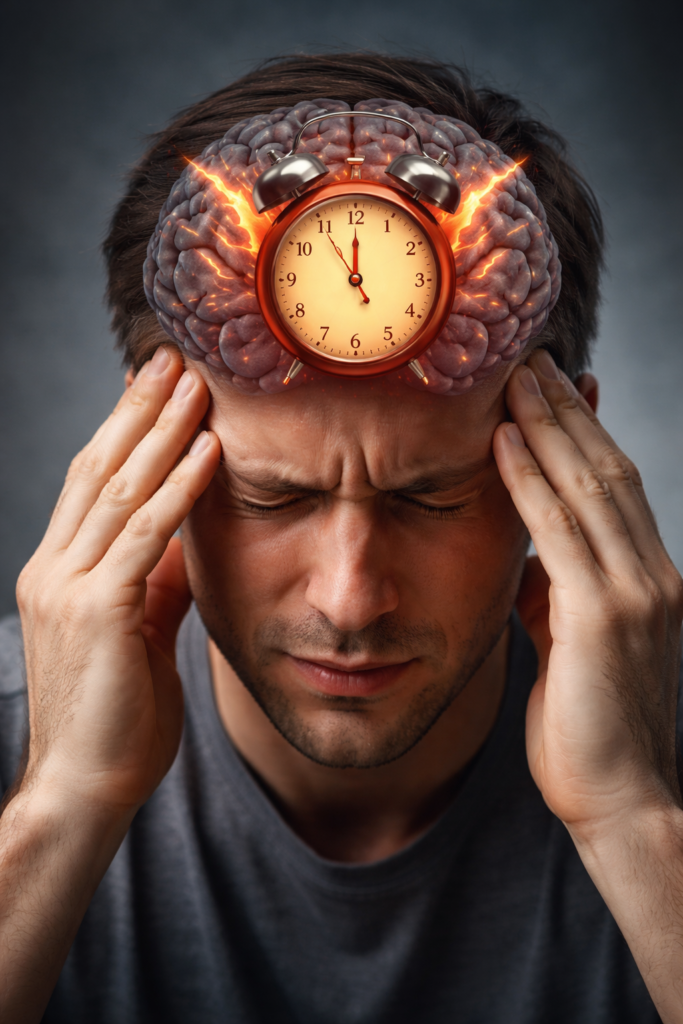
It’s a nervous system stuck in overdrive.
At CareSync Psych, we specialize in treating panic disorder, social anxiety, and OCD with care that goes deeper than symptom checklists or rushed prescriptions.
Panic attacks can make your body feel unsafe.
Social anxiety can quietly shrink your world.
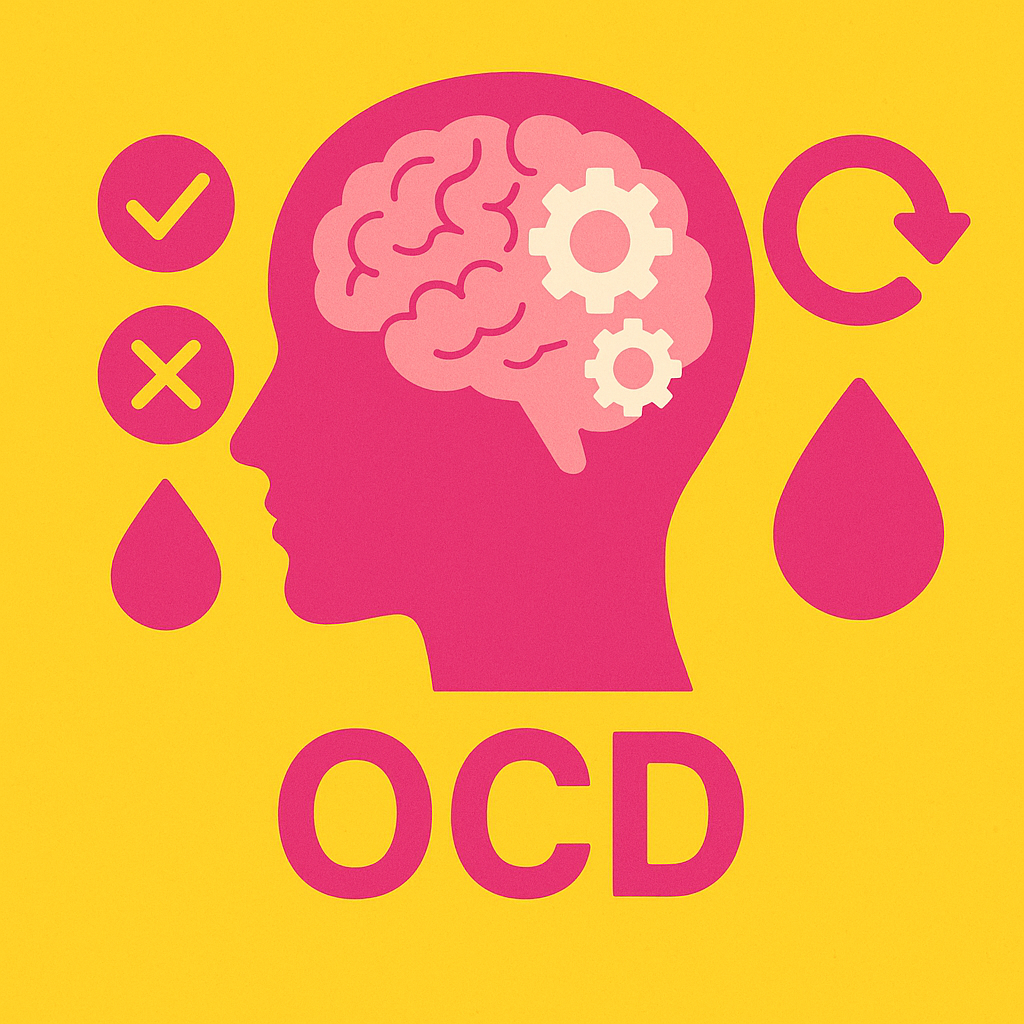
OCD can trap you in exhausting cycles of fear, doubt, and control.
And when these conditions are misunderstood or minimized, the impact can be devastating.
💙 Our approach is different
We combine:
-
- Specialized psychiatric care for anxiety and OCD
- Thoughtful, individualized medication management
- Therapy-informed treatment planning
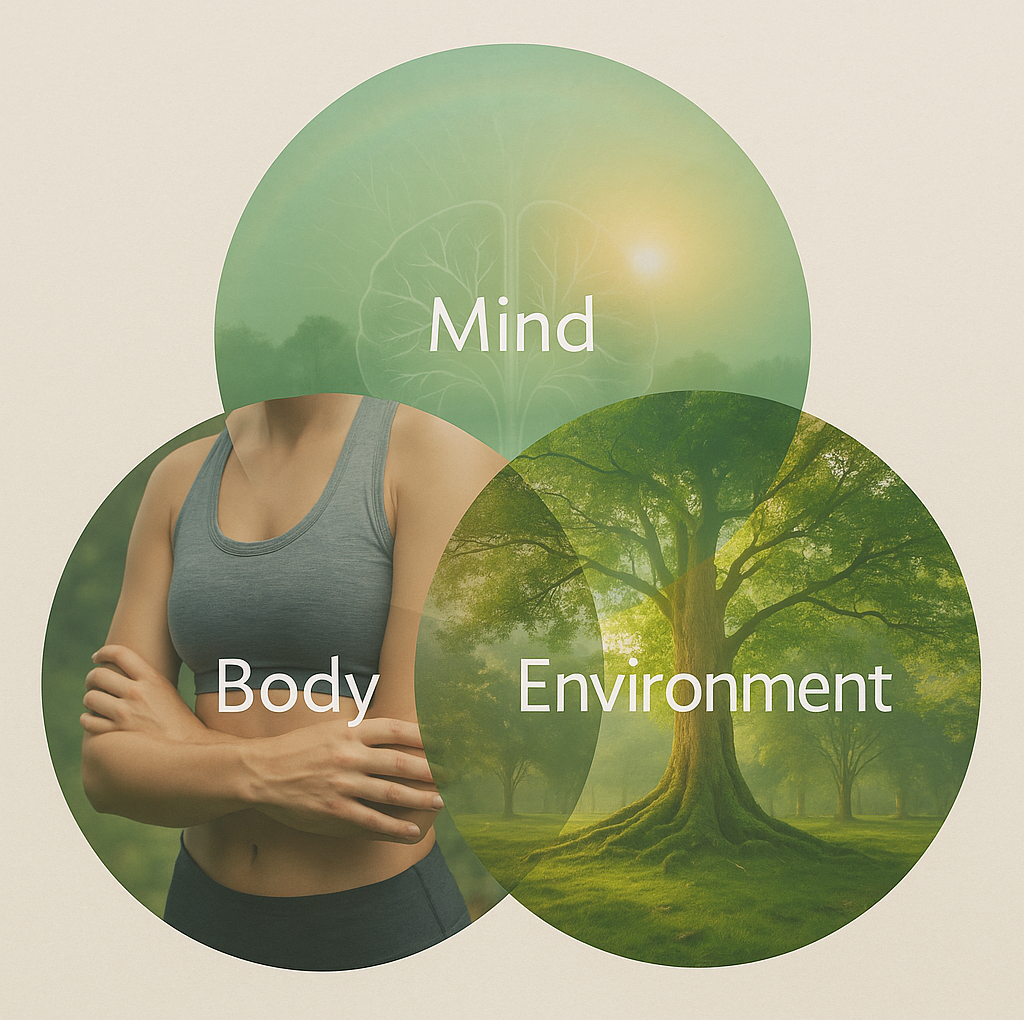
- A nervous-system-focused, mind–body approach
Progress isn’t just “fewer symptoms.”
It’s feeling calmer in your body, more confident in your life, and more in control when anxiety shows up.
✨ CareSync Psych helps adults struggling with panic disorder, social anxiety, and OCD regain calm and clarity through personalized, evidence-based psychiatric care.
If anxiety has been running your life—or quietly limiting it—you don’t have to navigate this alone.
CareSync Psych has treatment for anxiety in Lakeland, Florida
Panic disorder feels frightening—but it is treatable.
Anti-anxiety medications, therapy, and self-help strategies can work together to restore calm and confidence.
You don’t have to live in fear of the next panic attack.
Support is available—and recovery is possible.
📍 Anxiety Treatment in Florida | Self-pay & insurance options
📅 Now accepting new patients
How Anxiety Feels in the Body and Mind
Anxiety is not just mental—it is deeply physiological.
People with anxiety often experience:
-
Racing thoughts or constant worry
-
Rapid heart rate or chest tightness
-
Shortness of breath
-
Muscle tension
-
Restlessness or agitation
-
GI discomfort or nausea
-
Fatigue and poor sleep
Many people seek medical care first, believing something is physically wrong—because anxiety can feel that intense.
What Are Anxiety Disorders?
Anxiety disorders involve excessive fear, worry, or nervous system activation that interferes with daily life. Unlike everyday stress, anxiety disorders persist even when no immediate danger is present.
Common anxiety disorders treated in Florida include:
-
Generalized Anxiety Disorder (GAD)
-
Panic Disorder
-
Social Anxiety Disorder
-
Obsessive-Compulsive Disorder (OCD)
-
Health Anxiety
-
Trauma-related anxiety
Anxiety Treatment in Florida: Why Medication + Therapy Works Best
Research consistently shows that combining medication with psychotherapy leads to better outcomes than either alone for moderate to severe anxiety.
How Therapy Helps Anxiety
Therapy—especially Cognitive Behavioral Therapy (CBT)—helps by:
-
Teaching how anxiety works
-
Reducing catastrophic thinking
-
Gradually facing feared sensations or situations
-
Building long-term coping skills
Therapy retrains how the brain interprets threat.
Anxiety Treatment in with Anti-Anxiety Medications
Medication can help quiet the nervous system, making therapy and self-help strategies more effective.
Anti-anxiety medications:
-
Reduce baseline anxiety
-
Decrease panic symptoms
-
Improve emotional regulation