Call us (863) 858-5554
HealthFlex
×
  • Home
  • About Us
    • Check Your Coverage
    • Insurance & Self-pay Options
    • Client-Centered Therapy
    • Crisis and After-Hours Care
    • Privacy Policy
  • Specializing In
    • Specializing In
    • Metabolic Psychiatry
    • Weight Management & Binge Eating
  • Services
    • Services
    • Medication Management for Mental Health
    • Telehealth
    • Client-Centered Therapy
    • Metabolic Psychiatry
  • Book An Appointment
  • Contact Us

Psychedelics

Psychedelics

Psychedelics & New Psychiatry

Psychedelics in Psychiatry: How They Work, Why They Matter, and What the Future Could Hold

Psychedelics are resurfacing as one of the most debated topics in contemporary psychiatry. They were formerly completely overlooked, but are now being investigated as possible treatments for diseases such as depression, PTSD, addiction, and existential anguish. What intrigues me about psychedelics is not just their chemistry, but also the prospect that they might assist modify ingrained patterns of thinking, emotion, and behavior in ways that standard psychiatric drugs cannot. At the same time, these substances are not simply miraculous cures. The research indicates that their impacts are biological, psychological, and relational. In other words, psychedelics may be effective not because they are “magic,” but because they seem to provide a window through which the brain, mind, and therapeutic process become more adaptable.

What Are Psychedelics?

Classic psychedelics include psilocybin, LSD, mescaline, and DMT. These chemicals are known to cause dramatic alterations in perception, cognition, emotion, and sense of self (Kelmendi et al., 2022). In psychiatry, they are examined not for the perceptual alterations themselves, but for how such altered states might aid in therapeutic transformation.

How do psychedelics work?
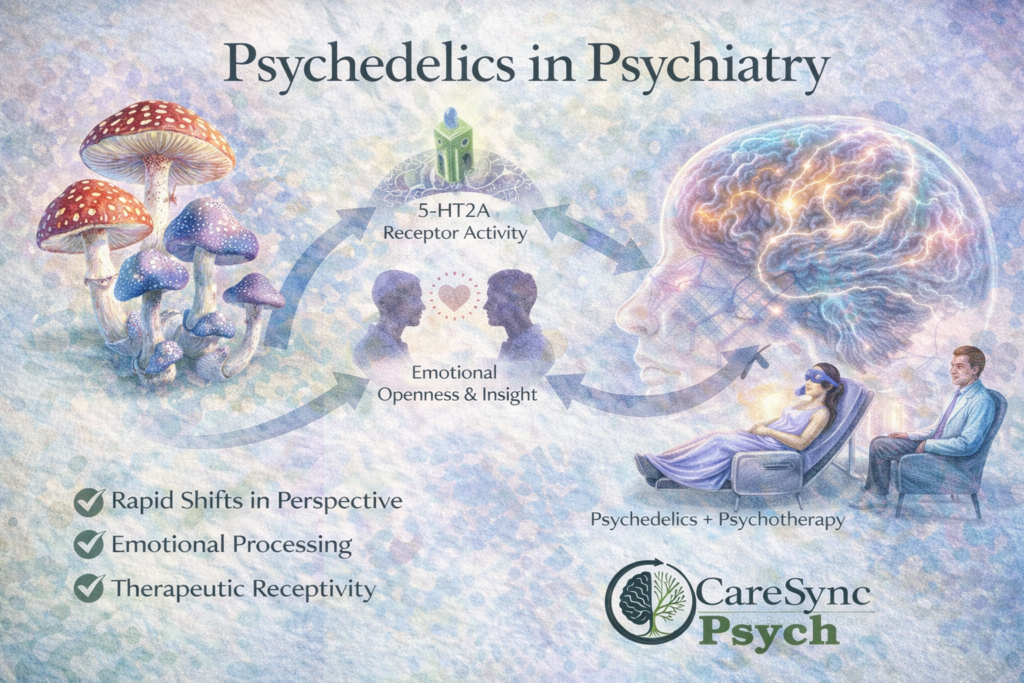
1. Serotonin receptor activity. The most commonly acknowledged pharmacologic mechanism is that traditional psychedelics predominantly operate on the 5-HT2A serotonin receptor (McClure-Begley & Roth, 2022; Van Elk & Yaden, 2022). Activation of this receptor alters cortical signaling, particularly in areas involved in perception, emotional salience, and self-referential processing.

2. Brain network disruption and flexibility. Psychedelics tend to lessen the rigidity of several large-scale brain networks, particularly the default mode network, which is linked to self-focused thinking, rumination, and habitual narrative processing (Van Elk & Yaden, 2022). This might explain why some individuals experience a transient relaxing of depressed or anxious mental patterns.

3. Therapeutically relevant psychological effects. These chemicals often produce:

Increased emotional openness

Changed meaning-making

decreased psychological defensiveness.

Improved feeling of togetherness

experiences may be defined as mystical or profound.

Never take online information as an absolute. Please perform your own research from separate scientific sources.. This post is not medical advise please ask your provider to guide your care.

According to Van Elk and Yaden (2022), these psychological impacts are not unintended. They may be essential to why psychedelics may have long-term therapeutic effects.

Why This Matters in Psychiatry

Traditional psychiatric therapies are often beneficial, yet many patients remain partly better, treatment-resistant, or functionally trapped. Psychedelics may be a unique tool since they do more than just alleviate symptoms; they may also assist disrupt deeply entrenched behaviors. According to Kelmendi et al. (2022), psychedelics are being investigated as therapies capable of promoting quick and long-term changes in mood, cognition, and behavior. This is especially important in psychiatry, where strict patterns of rumination, avoidance, trauma-related dread, or pessimism may exacerbate disease.

According to this viewpoint, psychedelics may be beneficial not just because they alter brain chemistry, but also because they improve adaptability on numerous levels:

Neural plasticity

Emotional flexibility

Cognitive openness

Therapeutic receptivity

Psychedelics Aren’t Just Pharmacology.

One of the most fundamental concepts in recent research is that psychedelic therapy is more than just consuming a chemical. Gründer et al. (2024) suggest that psychedelic treatment is equivalent to psychotherapy. The drug experience is inextricably linked to the subsequent therapeutic interaction, preparation, environment, and integration.

This is a significant change from reductionist thinking. In psychedelic treatment, the medicine and psychotherapy are inextricably linked.

This suggests that results are influenced by:

Set and setting.

clinician support

Patient Expectations

Emotional safety

Creating meaning after the event

This has significant implications for psychiatry: psychedelics may be most effective when used in conjunction with well planned psychotherapy treatment rather than as separate prescriptions.

Why Psychedelics May Be a Useful Tool

Psychedelics may be useful in psychiatry since they seem to provide something different than normal everyday drugs.

The following are some of the potential reasons they matter:

They may cause sudden alterations in attitude or viewpoint.

They may help patients access feelings that were previously denied.

They may provide a chance to process trauma, sorrow, or existential discomfort.

They may enhance the efficacy of psychotherapy in certain circumstances.

McClure-Begley and Roth (2022) define this area as having “promises and perils.” That’s a handy term. Psychedelics may be powerful tools, but strength demands prudence.

Current Research Themes

According to the material you supplied, modern psychedelic research focuses on many important themes:

1. Mechanistic understanding

Researchers are attempting to explain how much of the psychedelic advantage stems from:

receptor-level pharmacology.

alterations in brain network dynamics.

subjective experience.

Psychotherapy and Context

Van Elk and Yaden (2022) underline that no single explanation suffices. The impacts are most likely multilayered.

2. The significance of the encounter itself

A key study concern is whether the therapeutic impact is dependent on the altered state or whether a “non-hallucinogenic” variant may give comparable advantages. McClure-Begley and Roth (2022) identify this as one of the field’s fundamental disputes.

3. Integration of psychotherapy

Gründer et al. (2024) firmly believe that future models should not separate psychedelics and treatment. This shows that psychiatry may need new treatment models that are more immersive, relational, and time-consuming than traditional pharmaceutical visits.

What This Might Mean for Psychiatry

If psychedelic treatments continue to show potential, psychiatry may develop in many key directions:

A more integrated model

Psychiatry may become less focused on symptom suppression and more focused on:

Emotional Processing

Psychological flexibility

Healing in relationships

Long-term meaning and identity shifts

A reconsideration of pharmacological therapy.

Rather than everyday symptom management, some therapies may use episodic interventions in conjunction with psychotherapy.

More attention on set, location, and integration.

Client-Centered Therapy

If psychedelic treatments continue to show potential, psychiatry may develop in many key directions:

A more integrated model

Psychiatry may become less focused on symptom suppression and more focused on:

Emotional Processing

Psychological flexibility

Healing in relationships

Long-term meaning and identity shifts

A reconsideration of pharmacological therapy.

Rather than everyday symptom management, some therapies may use episodic interventions in conjunction with psychotherapy.

More attention on set, location, and integration.

Future psychiatric care may acknowledge that treatment setting is important medically and psychologically.

Potential Risks and Cautions

The enthusiasm around psychedelics should not override the necessity for care.

The risks may include:

Psychological instability in susceptible persons

worsening of psychosis or mania in susceptible people.

Overwhelming emotional sensations

Poor results in unstructured or unsupported circumstances.

McClure-Begley and Roth (2022) emphasize that, in addition to its therapeutic potential, psychedelic pharmacology contains significant hazards. These are not only health tools; they are effective cognitive therapies.

Future Implications.

The future of psychedelics in psychiatry may be dependent on various issues.

Can advantages be consistently replicated in real-world clinical settings?

What illnesses are most likely to respond?

How does psychotherapy affect long-term outcomes?

How should professionals be prepared for this work?

Can psychiatry use these ideas without overmedicalizing or simplifying them?

According to the literature, psychedelics have the potential to transform psychiatry not just by introducing new therapies, but also by changing how psychiatry perceives recovery.

Services

The CareSync Psychology Perspective

Psychedelics are gaining popularity because they might provide a fresh route for those who are locked in strict emotional and cognitive habits. Their promise is not simply in chemistry, but in the ability to create a transient condition of openness in which actual therapeutic work may take place.

At the same time, new evidence shows that these therapies should be treated mindfully, relationally, and with due regard for their complexity.

Psychiatry is finding that healing may need more than just neurotransmitters. It might also include flexibility, purpose, connection, and carefully managed change.

Never take online information as an absolute. Please perform your own research from separate scientific sources.. This post is not medical advise please ask your provider to guide your care.

References

Gründer, G., Brand, M., Mertens, L. J., Jungaberle, H., Kärtner, L., Scharf, D. J., … & Wolff, M. (2024). Treatment with psychedelics is psychotherapy: Beyond reductionism. The Lancet Psychiatry, 11(3), 231-236.

Kelmendi, B., Kaye, A. P., Pittenger, C., & Kwan, A. C. (2022). Psychedelics. Current Biology, 32(2), R63-R67.

McClure-Begley, T. D., & Roth, B. L. (2022). The promises and perils of psychedelic pharmacology for psychiatry. Nature Reviews Drug Discovery, 21(6), 463-473.

Van Elk, M., & Yaden, D. B. (2022). Pharmacological, neural, and psychological mechanisms underlying psychedelics: A critical review. Neuroscience & Biobehavioral Reviews, 140, 104793.

The Brain-Gut Connection: New Research

The Brain-Gut Connection: New Research

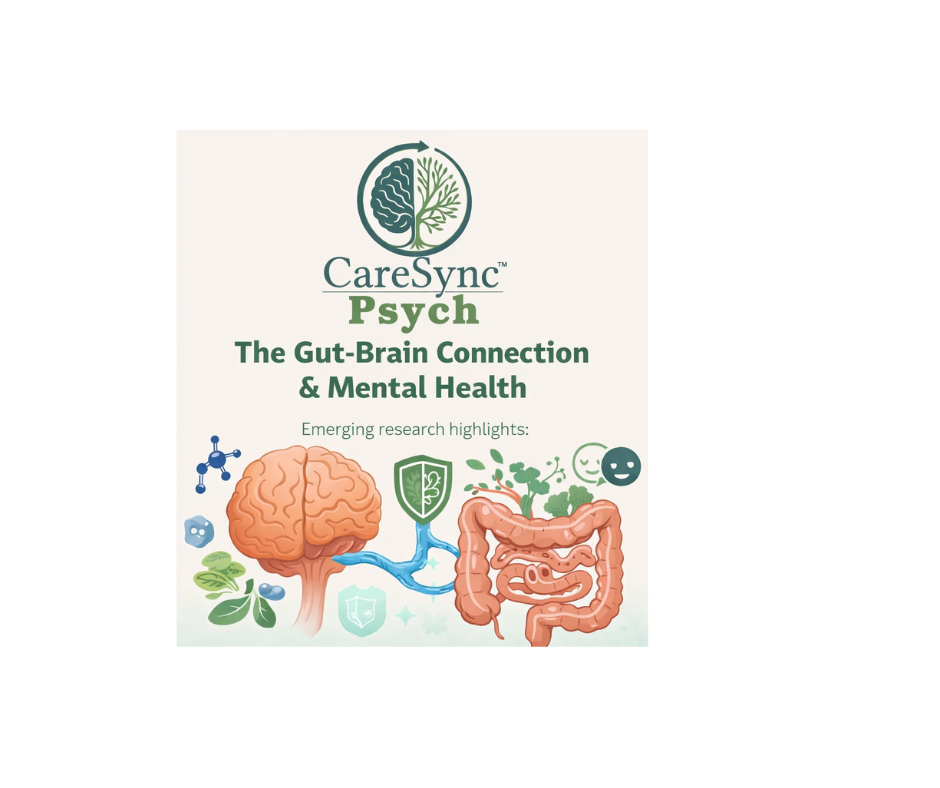
The Brain–Gut Connection: What New Research Tells Us About Mental Health

Recent scientific studies are shedding transformative light on how our gut and brain communicate — not just in digestion, but in mood, cognition, and overall mental wellness. This gut–brain connection is becoming a central pillar in understanding resilience, stress regulation, and even neurodevelopmental health.

About Us

The Microbiome as a “Second Brain”

Research by Gwak & Chang (2021) highlights the role of the gut microbiome — the trillions of bacteria living in our digestive tract — in influencing the brain through immune, endocrine, and neural pathways. These microbial communities help regulate:

  • Neurotransmitter production

  • Inflammation and immune response

  • Gut barrier integrity

When the gut barrier weakens (“leaky gut”), inflammatory signaling can travel to the brain, which may affect mood and cognition. This underscores that maintaining gut health is not just physical — it’s deeply psychological.

Takeaway: A balanced microbial ecosystem may help support emotional regulation and stress resilience.

Synaptic Plasticity & Development

Damiani, Cornuti & Tognini (2023) expand this picture, showing that gut microbes can influence neuroplasticity, the brain’s capacity to change and adapt. Their work suggests:

  • Gut microbiota may impact brain development

  • Alterations in microbiome composition are associated with neurodevelopmental disorders

  • Microbial metabolites can modulate synaptic signaling

This research invites us to think beyond traditional psychiatry: early-life microbial exposures and diet might play a role in shaping lifelong mental health trajectories.

In a recent review, Manske (2024) outlines how gut–brain dynamics are relevant across the lifespan. Key points include:

  • Bidirectional communication through the vagus nerve and immune signals

  • How stress and mood influence gastrointestinal function

  • The potential for dietary and lifestyle interventions to support both gut and mental health

This integrative lens encourages clinicians and patients alike to value holistic care — from nourishing foods and sleep to stress management and movement.

Hormones & Mental Health: Why Your Biology Matters

Hey! I am first heading line feel free to change me

Small, sustainable lifestyle choices can ripple into both gut and brain health.

A Future of Connected Care

As research continues to unfold, the brain–gut axis stands out as a bridge between mental and physical health — reminding us that healing pathways are interconnected. By integrating science with compassionate care, we can help people thrive both emotionally and biologically

Metabolic Psychiatry

GLP-1

Understanding GLP-1: The Science Behind Modern Weight and Metabolic Health

At CareSync Psych, we believe that understanding your body’s biology is the first step to achieving balance—both mentally and physically. One of the most talked-about treatments in metabolic psychiatry and weight management today involves GLP-1 receptor agonists. But what exactly are GLP-1s, and how do they work?

What Are GLP-1s?

GLP-1 stands for Glucagon-Like Peptide-1, a naturally occurring hormone secreted by the intestines in response to food intake. As D’Alessio (2016) explains, GLP-1 acts as an incretin hormone—one that helps the body regulate blood glucose by stimulating insulin release and inhibiting glucagon secretion. Beyond glucose control, GLP-1 also affects gastric emptying and sends powerful signals to the brain’s appetite centers, helping individuals feel full sooner and longer.

Essentially, GLP-1 is the body’s natural messenger for satiety and glucose regulation—a bridge between the gut, brain, and pancreas.

Book An Appointment

How GLP-1 Impacts Appetite and Weight

Research by Shah and Vella (2014) highlights GLP-1’s remarkable ability to influence appetite regulation and weight management. When GLP-1 binds to its receptors in the brain, it activates pathways that reduce hunger and promote a sense of satisfaction. This dual effect—reduced caloric intake and improved metabolic efficiency—makes GLP-1 receptor agonists an effective therapeutic option for obesity, insulin resistance, and type 2 diabetes.

In patients without diabetes, GLP-1 medications have also shown benefits in reducing binge-eating behaviors, stabilizing mood through improved energy and metabolic rhythm, and supporting long-term lifestyle changes when combined with therapy and nutrition support.

The Benefits of GLP-1 Therapy

  • Weight reduction: Gradual, sustainable fat loss through appetite control and reduced caloric intake.

  • Improved glucose control: Enhanced insulin secretion and decreased glucagon output.

  • Cardiometabolic protection: Evidence suggests reduced cardiovascular risk factors.

  • Support for emotional regulation: By improving energy stability and sleep, patients often experience better mood regulation and cognitive clarity.

At CareSync Psych, we see GLP-1 therapies as part of a whole-person metabolic care model, integrating biological, psychological, and behavioral strategies for long-term healing.

Potential Drawbacks and Considerations

While GLP-1 therapies are promising, they aren’t a one-size-fits-all solution. Common side effects may include nausea, constipation, diarrhea, and early satiety, particularly when doses are increased too quickly. Rarely, pancreatitis and gallbladder issues can occur. As D’Alessio (2016) notes, the hormone’s natural role in slowing gastric emptying can sometimes cause gastrointestinal discomfort.

Equally important are the psychological expectations—GLP-1 medications are tools, not shortcuts. They work best when combined with therapy, nutrition education, and behavioral strategies to rewire one’s relationship with food and self.

References

  • D’Alessio, D. (2016). Is GLP‐1 a hormone: Whether and When? Journal of Diabetes Investigation, 7, 50–55.

  • Shah, M., & Vella, A. (2014). Effects of GLP-1 on appetite and weight. Reviews in Endocrine and Metabolic Disorders, 15(3), 181–187.

Visit CareSync Psych

Understanding Glucose Metabolism Disorders & Inflammation

Understanding Glucose Metabolism Disorders & Inflammation

Metabolic Psychiatry

Understanding Glucose Metabolism Disorders & Inflammation

Metabolic Psychiatry is an emerging approach that focuses on how your health and metabolism impact your brain.

(And how it matters for mental health and overall wellness)


What do we mean by “glucose metabolism disorders”?

Book an Appointment

At its simplest: glucose metabolism refers to how your body handles sugar (glucose) — absorbing, using, storing, and regulating it. A “disorder” of glucose metabolism implies that one or more steps in that process is impaired, such that blood sugar levels run too high (hyperglycemia) or variably swing.

Common clinical entities include:


    • Insulin resistance — when cells (muscle, fat, liver) become less responsive to insulin, so more insulin is needed to keep blood sugar in check. Wikipedia+1
    • Prediabetes / impaired glucose tolerance — early dysregulation before full-blown type 2 diabetes
    • Type 2 diabetes mellitus — sustained hyperglycemia because the system (insulin secretion + insulin sensitivity) fails to compensate adequately
    • Hyperglycemia / elevated postprandial glucose — spikes of blood sugar after meals that stress the system Wikipedia+1

These metabolic disturbances are not just “lab numbers” — they interact deeply with inflammation, cell signaling, and systemic health, and may even influence cancer risk. Piątkiewicz & Czech (2011) review how altered glucose metabolism is implicated in cancer risk through pathways like oxidative stress, chronic inflammation, and dysregulation in cell proliferation. PubMed+2ResearchGate+2


Why is inflammation involved?

Inflammation and glucose dysregulation are tightly linked — each can exacerbate the other in a vicious cycle.


    • In states of insulin resistance or hyperglycemia, there is increased oxidative stress and production of reactive oxygen species, which can trigger inflammatory pathways. Wiley Online Library+2PMC+2
    • Pro-inflammatory cytokines (e.g. TNF-α, IL-6) impair insulin signaling and contribute to further insulin resistance. PMC+2AHADigital+2
    • Metabolic inflammation (sometimes called “meta-inflammation”) is a low-grade, chronic inflammatory state associated with obesity, excess fat in tissues, dysregulated adipokines, and immune cell infiltration into metabolic organs (liver, fat, muscle). AHADigital+2JA Clinical Online+2
    • In the Piątkiewicz & Czech framework, chronic dysregulation of glucose and insulin may also impair anti-cancer surveillance (for instance via effects on NK cells) and promote the microenvironment favoring tumorigenesis. Spandidos Publications+3PubMed+3ResearchGate+3

In short: when glucose metabolism is out of balance, it tends to fuel inflammation. In turn, that inflammation worsens metabolic regulation. Breaking the cycle is a key therapeutic goal.


Mental health, inflammation, and glucose metabolism

Because CareSync Psych is focused on psychiatric/psychological well-being, it’s worth noting:


    • Inflammation is implicated in mood disorders, cognitive dysregulation, and neuropsychiatric conditions.
    • Insulin resistance and hyperglycemia can influence brain energy metabolism, neuroinflammation, and neurotransmitter systems.
    • Many psychotropic medications (e.g. some antipsychotics, mood stabilizers) have metabolic side effects — weight gain, insulin resistance — which increase vulnerability to glucose dysregulation and inflammation.

Thus, supporting better glucose homeostasis can have synergy with psychiatric care, improving not just physical health but potentially mental health outcomes.


What does the science say about Metabolic Psychiatry ?

Evidence-Based Strategies to Reduce Inflammation & Support Healthy Glucose Metabolism

Below are examples of possible strategies:


1. Dietary / Nutritional Modulation


    • Emphasize whole, minimally processed foods: lots of vegetables, legumes, whole grains, lean proteins, nuts. This helps supply fiber, phytonutrients, antioxidants. PMC+3JA Clinical Online+3JACC+3
    • Choose low-glycemic index/load carbohydrates to avoid huge post-meal glucose spikes. JACC+1
    • Include anti-oxidant and anti-inflammatory nutrients — e.g. polyphenols, flavonoids, vitamins (C, E), carotenoids. The LWW article you referenced deals with how antioxidants may help buffer oxidative stress in the context of glucose disorders. Lippincott Journals
    • Prioritize omega-3 fatty acids (from fatty fish, flax, chia) — these can help counter pro-inflammatory lipid signaling.
    • Avoid or reduce ultraprocessed foods, added sugars, refined carbs — these contribute to inflammation, insulin spikes, and lipotoxicity. JA Clinical Online+2Wiley Online Library+2
    • Consider “nutritional timing” / meal sequencing: Some research suggests that eating protein and fiber before carbs, or spreading carbs across the day, may blunt postprandial glycemic responses. JACC+1
    • Modulate the gut microbiome: Dietary fiber (prebiotics), fermented foods, and supporting microbial diversity help maintain gut barrier integrity and reduce systemic endotoxin-driven inflammation. Wikipedia+1


2. Physical Activity & Exercise


    • Exercise improves insulin sensitivity (especially in muscle) and helps glucose uptake independent of insulin.
    • It also stimulates AMP-activated protein kinase (AMPK), a cellular “energy sensor” that helps shift metabolism toward more efficient, healthier processing. JA Clinical Online+3arXiv+3Nature+3
    • Both aerobic and resistance training are beneficial; consistency is more important than intensity for most clients.
    • Even moderate daily movement (e.g. walking after meals) can moderate postprandial glucose spikes and reduce inflammation.


3. Weight Management & Body Composition


    • Excess adiposity (especially visceral fat) is strongly pro-inflammatory and contributes to insulin resistance.
    • Gradual, sustainable weight loss can reduce inflammation, improve insulin sensitivity, and relieve metabolic stress. AHADigital+2PMC+2


4. Sleep, Circadian Rhythm & Stress Regulation


    • Poor or insufficient sleep is associated with worse insulin sensitivity, dysregulated appetite hormones, and elevated inflammatory markers.
    • Aligning eating/fasting windows with circadian rhythms (for example, avoiding late-night eating) may help glycemic control.
    • Stress (psychological or physiological) raises cortisol, which antagonizes insulin and can push glucose higher — meditation, biofeedback, breathwork, psychotherapy are all relevant.


5. Pharmacological / Medical Adjuncts (in collaboration with providers)


    • Some glucose-lowering medications also have anti-inflammatory effects. For example, metformin is believed to act beyond glucose, modulating inflammation via AMPK pathways. Wikipedia+2Nature+2
    • Newer agents (e.g. semaglutide) are being studied for both metabolic and anti-inflammatory benefits. ScienceDirect
    • In diabetes, certain drugs (e.g. thiazolidinediones) may reduce inflammation more than others for the same glycemic reduction. PMC+1
    • Some studies are exploring immunometabolism (targeting metabolic pathways in immune cells) as a future anti-inflammatory strategy. Nature


6. Antioxidant Support & Supplementation (with caution)


    • Because oxidative stress is a mediator between hyperglycemia and inflammation, antioxidants (dietary or supplemental) may help buffer the damage.
    • But: indiscriminate high-dose antioxidant supplementation can have drawbacks (e.g. interfering with beneficial reactive oxygen signaling).
    • It’s safer to prioritize obtaining antioxidants via whole foods (berries, dark greens, nuts, colorful vegetables) rather than “megadoses” of supplements.
    • Book an Appointment


    Metabolic Psychiatry involves how you eat, sleep, move, manage stress, and control blood sugar all change how your brain functions.

    So instead of focusing only on symptoms like anxiety or depression, metabolic psychiatry also explores things like:

    • inflammation

    • insulin resistance

    • nutrient deficiencies

    • symptoms

    • chronic stress hormones

    • sleep and circadian rhythm

    The goal is to treat mental health from both sides:
    brain chemistry + whole-body biology.

    Metabolic Psychiatry in Lakeland, Florida. In-person or telehealth available for the whole state of Florida.

    References

    Azzi, A., Davies, K. J., & Kelly, F. (2004). Free radical biology—Terminology and critical thinking. FEBS Letters, 558(1–3), 3–6.

    Bastard, J. P., Maachi, M., Lagathu, C., Kim, M. J., Caron, M., Vidal, H., Capeau, J., & Feve, B. (2006). Recent advances in the relationship between obesity, inflammation, and insulin resistance. European Cytokine Network, 17(1), 4–12.

    Czech, A., & Piątkiewicz, P. (2011). Glucose metabolism disorders and the risk of cancer. Archivum Immunologiae et Therapiae Experimentalis, 59(3), 215–230.

    Dandona, P., Aljada, A., & Bandyopadhyay, A. (2004). Inflammation: The link between insulin resistance, obesity, and diabetes. Trends in Immunology, 25(1), 4–7. https://doi.org/10.1016/j.it.2003.10.013

    Evans, J. L., Goldfine, I. D., Maddux, B. A., & Grodsky, G. M. (2002). Oxidative stress and stress-activated signaling pathways: A unifying hypothesis of type 2 diabetes. Endocrine Reviews, 23(5), 599–622. https://doi.org/10.1210/er.2001-0039

    Giugliano, D., Ceriello, A., & Esposito, K. (2006). The effects of diet on inflammation: Emphasis on the metabolic syndrome. Journal of the American College of Cardiology, 48(4), 677–685. https://doi.org/10.1016/j.jacc.2006.03.052

    Grundy, S. M. (2016). Metabolic syndrome update. Trends in Cardiovascular Medicine, 26(4), 364–373. https://doi.org/10.1016/j.tcm.2015.10.004

    Hawley, J. A., & Lessard, S. J. (2008). Exercise training-induced improvements in insulin action. Acta Physiologica, 192(1), 127–135. https://doi.org/10.1111/j.1748-1716.2007.01783.x

    Hotamisligil, G. S. (2017). Inflammation, metaflammation, and immunometabolic disorders. Nature, 542(7640), 177–185. https://doi.org/10.1038/nature21363

    Piątkiewicz, P., & Czech, A. (2010). Antioxidants and glucose metabolism disorders. Current Opinion in Clinical Nutrition & Metabolic Care, 13(4), 512–518.

    Rains, J. L., & Jain, S. K. (2011). Oxidative stress, insulin signaling, and diabetes. Free Radical Biology & Medicine, 50(5), 567–575. https://doi.org/10.1016/j.freeradbiomed.2010.12.006

    Reaven, G. M. (2005). The insulin resistance syndrome: Definition and dietary approaches to treatment. Annual Review of Nutrition, 25(1), 391–406. https://doi.org/10.1146/annurev.nutr.24.012003.132155

    Vozarova, B., Weyer, C., Hanson, K., Tataranni, P. A., Bogardus, C., & Pratley, R. E. (2001). Circulating interleukin-6 in relation to adiposity, insulin action, and insulin secretion. Obesity Research, 9(7), 414–417. https://doi.org/10.1038/oby.2001.54

    Xu, H., Barnes, G. T., Yang, Q., Tan, G., Yang, D., Chou, C. J., … & Chen, H. (2003). Chronic inflammation in fat plays a crucial role in the development of obesity-related insulin resistance. Journal of Clinical Investigation, 112(12), 1821–1830. https://doi.org/10.1172/JCI19451

    Glucose and Neuroinflammation

    Glucose and Neuroinflammation

    Glucose and Hypometabolism

    Cerebral glucose hypometabolism refers to a reduction in the brain’s ability to metabolize glucose, the primary source of neuronal energy. Because neurons have limited capacity for energy storage, consistent glucose supply is essential for proper cognitive, emotional, and behavioral function. When metabolism slows, neurons become less active, leading to impaired neurotransmission, synaptic plasticity, and overall brain performance — even before structural damage occurs.


    🔬 Pathophysiology

    Glucose metabolism in the brain occurs primarily through aerobic glycolysis, producing ATP to fuel neuronal signaling. When this process falters — whether due to mitochondrial dysfunction, neuroinflammation, insulin resistance, or oxidative stress — regions of the brain exhibit hypometabolism on FDG-PET (fluorodeoxyglucose positron emission tomography) scans.

    Mechanisms contributing to cerebral hypometabolism include:

    • Mitochondrial dysfunction: decreased ATP synthesis impairs neuronal signaling.
    • Neuroinflammation: cytokines disrupt insulin and glucose pathways.
    • Brain insulin resistance: glucose uptake is blunted despite normal peripheral insulin levels.
    • Oxidative stress: damages neuronal membranes and enzymes critical for metabolism.

    🧩 Clinical Correlations

    Cerebral glucose hypometabolism is observed across neuropsychiatric and neurodegenerative disorders, with distinct regional patterns:

    Condition Commonly Affected Regions Clinical Correlates
    Alzheimer’s Disease Posterior cingulate, parietotemporal cortex Early memory loss and executive dysfunction
    Frontotemporal Dementia Frontal and anterior temporal lobes Behavioral disinhibition, apathy
    Major Depressive Disorder Dorsolateral prefrontal cortex, anterior cingulate Impaired concentration, emotional regulation
    Schizophrenia Frontal and temporal regions Executive dysfunction, cognitive impairment
    Bipolar Disorder Frontal, limbic circuits Mood instability, impulsivity
    Traumatic Brain Injury Site-specific Cognitive slowing, emotional dysregulation

    In psychiatry, hypometabolism often reflects neural circuit inefficiency rather than cell loss. For instance, decreased glucose utilization in the prefrontal cortex may explain poor emotional regulation in depression or executive dysfunction in schizophrenia.


    ⚕️ Integrative and Metabolic Psychiatry Perspective

    At CareSync Psych, cerebral glucose hypometabolism underscores the mind-body connection — illustrating how metabolic and psychiatric processes intertwine. Emerging research links metabolic dysfunction (e.g., insulin resistance, obesity, chronic inflammation) with neuropsychiatric symptoms, suggesting that improving systemic metabolism may also enhance brain energy and mood stability.

    Therapeutic approaches that can help restore cerebral metabolism include:

    • Lifestyle interventions: balanced nutrition, exercise, restorative sleep.
    • Nutritional psychiatry: ketogenic or low-glycemic diets supplying ketones as alternate brain fuel.
    • Pharmacologic supports: metformin, GLP-1 receptor agonists, and mitochondrial antioxidants (e.g., CoQ10).
    • Psychotherapy and mindfulness: reducing stress-driven cortisol spikes that impair glucose utilization.

    🌿 Clinical Implications and Future Directions

    • FDG-PET imaging remains the gold standard to detect regional hypometabolism.
    • Metabolic psychiatry is reframing depression, anxiety, and cognitive decline as partly bioenergetic disorders.
    • Addressing glucose dysregulation early may prevent progression of cognitive and emotional disorders.
    • Future research aims to integrate metabolic biomarkers into psychiatric diagnostics and personalized treatment plans.

    🧾 References (APA 7th Edition)

    • Butterfield, D. A., & Halliwell, B. (2019). Oxidative stress, dysfunctional glucose metabolism, and Alzheimer disease. Nature Reviews Neuroscience, 20(3), 148–160. https://doi.org/10.1038/s41583-019-0132-6
    • Cunnane, S. C., Trushina, E., Morland, C., Prigione, A., Casadesus, G., Andrews, Z. B., … & Mattson, M. P. (2020). Brain energy rescue: An emerging therapeutic concept for neurodegenerative disorders of ageing. Nature Reviews Drug Discovery, 19(9), 609–633. https://doi.org/10.1038/s41573-020-0072-x
    • Mosconi, L., Berti, V., Glodzik, L., Pupi, A., De Santi, S., & de Leon, M. J. (2010). Pre-clinical detection of Alzheimer’s disease using FDG-PET, with or without amyloid imaging. Journal of Alzheimer’s Disease, 20(3), 843–854. https://doi.org/10.3233/JAD-2010-091504
    • Rasgon, N. L., & McEwen, B. S. (2016). Insulin resistance—a missing link no more. Molecular Psychiatry, 21(12), 1648–1652. https://doi.org/10.1038/mp.2016.163
    • Tomasi, D., & Volkow, N. D. (2019). Associations between brain activation, glucose metabolism, and psychiatric symptoms in major depressive disorder. Molecular Psychiatry, 24(12), 1672–1680. https://doi.org/10.1038/s41380-018-0262-9
    • Zhang, X., Chen, W., Li, J., Zhang, Y., & Xu, Y. (2021). Brain glucose hypometabolism and psychiatric disorders: A review of mechanisms and therapeutic perspectives. Frontiers in Psychiatry, 12, 700–714. https://doi.org/10.3389/fpsyt.2021.700714

    Food Addiction: Why It’s Real, Why We Feel Out of Control, and How Healing Begins

    Food Addiction Treatment in Lakeland, Florida. Both in- person or telehealth appointments available for the state of Florida.

    Many people struggling with food addiction describe a painful cycle: intense cravings, loss of control, guilt, and a promise to “do better tomorrow.” Yet this cycle isn’t simply about willpower. Research now shows that for some individuals, food addiction is a valid neurobiological and psychological condition—one that deserves understanding and compassionate, evidence-based treatment.

    At CareSync Psych, we help patients recognize that food addiction is not a moral failure—it’s a complex interaction between the brain, body, and emotional regulation systems.

    Book an Appointment


    Is Food Addiction Real?

    The concept of “food addiction” has been debated for years. However, growing evidence supports that highly palatable foods—especially those rich in sugar, fat, and salt—can activate the same neural reward pathways as drugs of abuse.


      • According to Gordon et al. (2018), a systematic review and found strong evidence linking addictive-like eating patterns to the dopamine-driven reward system seen in substance use disorders.
      • Fletcher & Kenny (2018) concluded that food addiction shares behavioral, neurochemical, and genetic overlaps with traditional addictions.
      • Davis (2013) also discussed that binge eating disorder (BED) and food addiction share common features such as loss of control, tolerance, and withdrawal symptoms.


    In other words, the brain can become “hooked” on certain foods in much the same way it becomes hooked on drugs—especially ultra-processed foods that hijack our reward system.


    The Brain–Body Mechanisms Behind Food Addiction


    1. Dopamine Dysregulation in Food Addiction

    When we eat hyperpalatable foods, the brain releases a surge of dopamine in the nucleus accumbens—the same reward area activated by drugs like cocaine or opioids. Over time, the brain may require more of that stimulus to achieve the same pleasure, leading to cravings and compulsive eating.


    2. Stress and Cortisol‘

    Chronic stress triggers cortisol, increasing appetite and preference for “comfort foods.” This stress-eating loop reinforces emotional dependency on food as a coping mechanism.


    3. Insulin and Leptin Resistance

    Biological changes in metabolism, especially insulin resistance, blunt hunger and satiety cues, making it harder to regulate intake. The body craves quick energy even when it doesn’t need it.


    4. Gut–Brain Axis

    Emerging evidence suggests gut microbiome imbalances can alter neurotransmitter production and cravings—linking digestion, emotion, and appetite regulation in a powerful feedback loop.


    The Emotional and Mental Health Connection

    Food addiction rarely exists in isolation. It’s often intertwined with anxiety, depression, trauma, and obsessive-compulsive tendencies.


      • Many people use food for emotional regulation—to numb, soothe, or escape discomfort.
      • Feelings of shame and guilt after overeating can trigger further stress, fueling another cycle of bingeing.
      • Early life adversity and attachment disruptions may increase vulnerability by altering stress responses and reward sensitivity.


    As Davis (2013) describes, these overlapping mechanisms mean that treating food addiction requires addressing both biological and psychological roots.


    Why We Feel “Out of Control” & Why Food Addiction is Real

    When people say, “I know I shouldn’t eat it, but I can’t stop myself,” they are describing the very essence of addiction—a disconnect between intention and behavior. This sense of loss of control comes from changes in the brain’s prefrontal cortex, the region responsible for decision-making and impulse control.

    Repeated exposure to addictive foods dulls this region’s inhibitory capacity, while the limbic system (reward/emotion) becomes more dominant. The result: even when we consciously want to stop, our neurobiology keeps pushing us toward the next “fix.”


    Healing Through Understanding and Integration

    At CareSync Psych, we approach food addiction through the lens of metabolic psychiatry and compassionate behavioral therapy. Healing begins by syncing the mind and body.


    Our approach includes:


      • Psychotherapy and Mindfulness-Based Interventions to explore emotional triggers, perfectionism, and shame.
      • Metabolic and Nutritional Assessment to stabilize blood sugar, reduce inflammation, and restore neurotransmitter balance.
      • Medication-Assisted and Supplement Support (when indicated) targeting dopamine or serotonin pathways.
      • Lifestyle and Behavioral Strategies including stress management, movement, and restorative sleep to reset the body’s reward systems.


    Home

    Recovery isn’t about deprivation—it’s about reclaiming control, reconnecting with internal hunger and fullness cues, and healing the relationship with both food and self.


    The Takeaway

    Food addiction is not a weakness—it’s a neurobiological reality rooted in survival mechanisms that have been hijacked by modern food environments. Understanding it as both a mental health and metabolic issue allows for deeper compassion and more effective treatment.

    At CareSync Psych, we believe recovery begins when you stop blaming yourself and start treating both your brain chemistry and emotional wounds together—because healing happens when mind and body finally sync.


    📖 References


      • Gordon, E. L., Ariel-Donges, A. H., Bauman, V., & Merlo, L. J. (2018). What is the evidence for “food addiction?” A systematic review. Nutrients, 10(4), 477. https://doi.org/10.3390/nu10040477
      • Fletcher, P. C., & Kenny, P. J. (2018). Food addiction: a valid concept? Neuropsychopharmacology, 43(13), 2506–2513. https://doi.org/10.1038/s41386-018-0203-9
      • Davis, C. (2013). Compulsive overeating as an addictive behavior: overlap between food addiction and binge eating disorder. Current Obesity Reports, 2(2), 171–178. https://doi.org/10.1007/s13679-013-0049-x


    Read More

    The Impact of Diet and Metabolic Health on Mental Health: Revolutionary Treatment Approaches

    The Impact of Diet and Metabolic Health on Mental Health: Revolutionary Treatment Approaches

    For decades, psychiatry has focused heavily on neurotransmitters—serotonin, dopamine, norepinephrine—as the “big three” of mental health. But new science is showing that the mind is not separate from the body. Instead, our mental health is tightly linked with our diet, metabolism, and even the way our mitochondria produce energy. This growing field—metabolic psychiatry—is reshaping how we understand and treat conditions like depression, anxiety, and other psychiatric disorders.

    Book an Appointment

    The Metabolic–Mental Health Connection

    Research has uncovered a bidirectional relationship between depression and metabolic syndrome, a condition marked by obesity, high blood pressure, high cholesterol, and insulin resistance. In a groundbreaking Mendelian randomization study, Zhang et al. (2021) demonstrated that not only does metabolic syndrome increase the risk of depression, but depression itself may worsen metabolic health—creating a vicious cycle that traps patients in both poor physical and mental health.

    This finding highlights an important truth: when we treat the body, we treat the brain, and when we treat the brain, we treat the body.

    The Role of Mitochondria and Tryptophan Pathways

    Our mental state depends on how well our brain cells produce and use energy. Mitochondrial impairment—the reduced ability of cells’ “powerhouses” to generate energy—has emerged as a common factor in psychiatric disorders. Tanaka et al. (2022) emphasize the link between dysfunctional mitochondria and disturbances in the tryptophan–kynurenine pathway, which regulates serotonin and neuroprotective metabolites. When this pathway is imbalanced, patients may experience both mood disorders and cognitive changes.

    This suggests that psychiatric symptoms are not just “chemical imbalances” but may also reflect underlying metabolic and cellular dysfunction.

    Diet as a Foundation for Mental Health

    Dietary patterns directly influence brain health. Diets high in refined sugars and processed foods can promote inflammation, insulin resistance, and mitochondrial stress—all of which worsen depression and anxiety. Conversely, nutrient-dense diets rich in omega-3 fatty acids, antioxidants, fiber, and amino acids like tryptophan can support healthier brain signaling and energy metabolism.

    Examples include:

    • Mediterranean-style diets, associated with reduced depression risk.

    • Ketogenic or low-carbohydrate approaches, which stabilize insulin and may improve treatment-resistant mood disorders.

    • Anti-inflammatory foods (leafy greens, fatty fish, berries), which reduce oxidative stress on the brain.

    Revolutionary Treatment Approaches in Metabolic Psychiatry

    What makes this field revolutionary is that it goes beyond traditional antidepressants by addressing root causes in metabolism. Innovative strategies include:

    1. Metabolic Medications with Psychiatric Impact

      • Drugs like metformin (used for diabetes) are being studied for depression in insulin-resistant patients.

      • GLP-1 receptor agonists (like semaglutide) may also reduce both metabolic burden and depressive symptoms.

    2. Targeting Mitochondria

      • Nutritional supplements such as CoQ10, NAD+ precursors, and certain amino acids may support mitochondrial resilience.

      • Therapies that restore mitochondrial function could improve both mood and cognition.

    3. Diet-Based Interventions

      • Structured programs integrating dietary counseling into psychiatric care are being tested to break the depression–metabolic syndrome cycle.

    4. Integrated Care Models

      • Combining psychiatric and metabolic treatments into holistic, whole-person care may offer the most promise. Patients with depression, obesity, and metabolic syndrome benefit most when both aspects are treated together rather than separately.

    Book an Appointment

    A New Horizon: Treating the Whole Person

    The future of psychiatry lies in seeing mental health through the lens of metabolic health. Instead of separating “brain” and “body,” metabolic psychiatry brings them together, creating space for innovative therapies that restore balance at the cellular and systemic level.

    By focusing on diet, metabolism, and mitochondrial health, we move toward revolutionary treatment approaches that sync the mind and body, ultimately offering hope for patients who haven’t found relief through traditional psychiatric care.

    We are an outpatient mental health care provider committed to integrating evidence-based treatment with a holistic, healing-centered approach to promote mental wellness. Our patient-focused services include medication management, psychotherapy, metabolic psychiatry,  and wellness optimization.

    “Providing compassionate mental health care by syncing the mind and body—treating the psychological with the physiological.”

    Recent Posts

    • Disordered Eating
    • Understanding Political Beliefs & The Psychology of Politics
    • Transforming Your Mental Health by Healing
    • Psychedelics
    • Fluoxetine: Why This “Oldie” is Still a Goody
    • Home
    • About Us
    • Services
    • Book An Appointment
    • Contact Us
    • Weight Loss Management & Control
    • Sample Page
    • Food Addiction & Binge Eating
    • Free Mental Health Worksheets to Download

    Copyright ©2026 all rights reserved
    CareSync™ Health