Call us (863) 858-5554
HealthFlex
×
  • Home
  • About Us
    • Check Your Coverage
    • Insurance & Self-pay Options
    • Client-Centered Therapy
    • Crisis and After-Hours Care
    • Privacy Policy
  • Specializing In
    • Specializing In
    • Metabolic Psychiatry
    • Weight Management & Binge Eating
  • Services
    • Services
    • Medication Management for Mental Health
    • Telehealth
    • Client-Centered Therapy
    • Metabolic Psychiatry
  • Book An Appointment
  • Contact Us

Transforming Your Mental Health by Healing

Transforming Your Mental Health by Healing

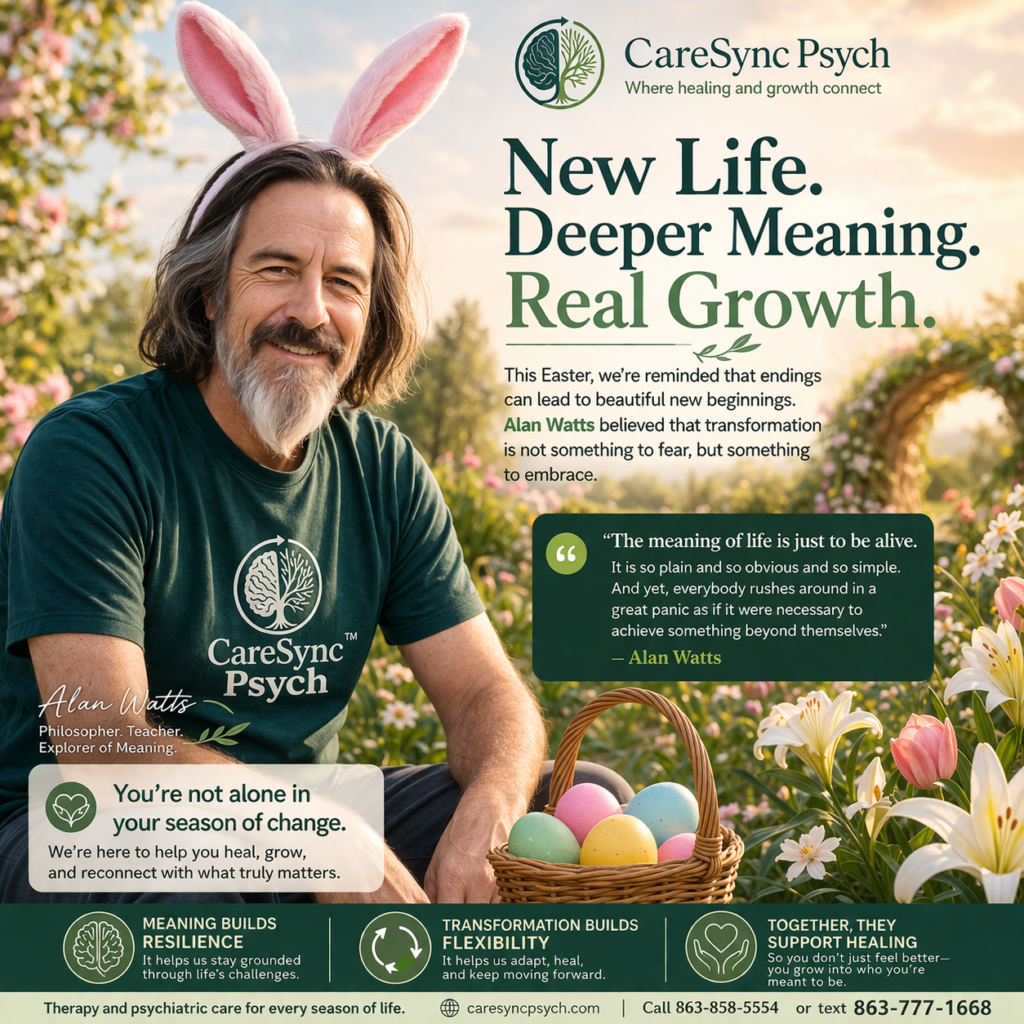
The Psychology of Easter: Why Transformation Matters

🧠 Why do we need meaning?
Humans are wired to make sense of their experiences. When life feels chaotic or painful, the brain searches for understanding and purpose. Without meaning, distress can feel heavier, more overwhelming, and harder to process. Meaning helps organize our experiences and gives us direction—even in difficult seasons.

Book an Appointment Now

Client-Centered Therapy

Services

🧠 Why is transformation necessary?
Psychological growth requires change. Staying the same may feel safe, but it often keeps people stuck in patterns of anxiety, depression, or self-doubt. Transformation allows the brain to form new pathways, new beliefs, and new ways of responding to life.

 Meaning builds resilience


Transformation builds flexibility


Both are essential for healing

Book an Appointment Now
CareSync Psych Mental Health healing

Mental health is not optional—it’s foundational.

Just like you go to the gym to build physical strength, your mind also needs consistent care and attention. You wouldn’t expect your body to stay healthy without movement, nutrition, and rest—and your mental health works the same way.

✨ Therapy helps you understand patterns, process emotions, and build insight
✨ Stress management teaches your nervous system how to regulate and reset
✨ Positive coping skills create resilience in everyday life
✨ Medication (when appropriate) can help restore balance and support brain function

Ignoring mental health is like ignoring physical pain—it doesn’t go away, it often grows louder.

At CareSync Psych, we recognize that behind symptoms is often a deeper process unfolding…one of change, identity, and rediscovery.


You’re not just “struggling.”
You may be in a phase of transformation.


🌱 And while that can feel uncomfortable, it’s often where the most meaningful growth begins.

Book an Appointment Now

Home

Mental Wellness

Why New Year’s Resolutions Fail—and How to Build Mental Health Habits That Stick

Book an Appointment Now

Psychedelics

Psychedelics

Psychedelics & New Psychiatry

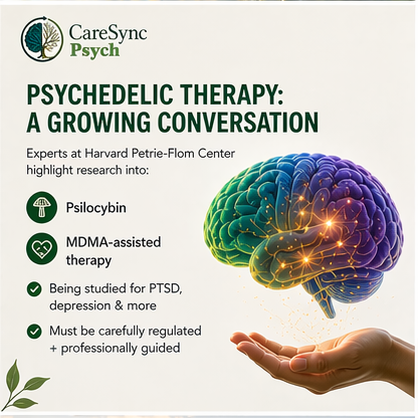
Psychedelics in Psychiatry: How They Work, Why They Matter, and What the Future Could Hold

Psychedelics are resurfacing as one of the most debated topics in contemporary psychiatry. They were formerly completely overlooked, but are now being investigated as possible treatments for diseases such as depression, PTSD, addiction, and existential anguish. What intrigues me about psychedelics is not just their chemistry, but also the prospect that they might assist modify ingrained patterns of thinking, emotion, and behavior in ways that standard psychiatric drugs cannot. At the same time, these substances are not simply miraculous cures. The research indicates that their impacts are biological, psychological, and relational. In other words, psychedelics may be effective not because they are “magic,” but because they seem to provide a window through which the brain, mind, and therapeutic process become more adaptable.

What Are Psychedelics?

Classic psychedelics include psilocybin, LSD, mescaline, and DMT. These chemicals are known to cause dramatic alterations in perception, cognition, emotion, and sense of self (Kelmendi et al., 2022). In psychiatry, they are examined not for the perceptual alterations themselves, but for how such altered states might aid in therapeutic transformation.

How do psychedelics work?
1. Serotonin receptor activity. The most commonly acknowledged pharmacologic mechanism is that traditional psychedelics predominantly operate on the 5-HT2A serotonin receptor (McClure-Begley & Roth, 2022; Van Elk & Yaden, 2022). Activation of this receptor alters cortical signaling, particularly in areas involved in perception, emotional salience, and self-referential processing.

2. Brain network disruption and flexibility. Psychedelics tend to lessen the rigidity of several large-scale brain networks, particularly the default mode network, which is linked to self-focused thinking, rumination, and habitual narrative processing (Van Elk & Yaden, 2022). This might explain why some individuals experience a transient relaxing of depressed or anxious mental patterns.

3. Therapeutically relevant psychological effects. These chemicals often produce:

Increased emotional openness

Changed meaning-making

decreased psychological defensiveness.

Improved feeling of togetherness

experiences may be defined as mystical or profound.

Never take online information as an absolute. Please perform your own research from separate scientific sources.. This post is not medical advise please ask your provider to guide your care.

According to Van Elk and Yaden (2022), these psychological impacts are not unintended. They may be essential to why psychedelics may have long-term therapeutic effects.

Why This Matters in Psychiatry

Traditional psychiatric therapies are often beneficial, yet many patients remain partly better, treatment-resistant, or functionally trapped. Psychedelics may be a unique tool since they do more than just alleviate symptoms; they may also assist disrupt deeply entrenched behaviors. According to Kelmendi et al. (2022), psychedelics are being investigated as therapies capable of promoting quick and long-term changes in mood, cognition, and behavior. This is especially important in psychiatry, where strict patterns of rumination, avoidance, trauma-related dread, or pessimism may exacerbate disease.

According to this viewpoint, psychedelics may be beneficial not just because they alter brain chemistry, but also because they improve adaptability on numerous levels:

Neural plasticity

Emotional flexibility

Cognitive openness

Therapeutic receptivity

Psychedelics Aren’t Just Pharmacology.

One of the most fundamental concepts in recent research is that psychedelic therapy is more than just consuming a chemical. Gründer et al. (2024) suggest that psychedelic treatment is equivalent to psychotherapy. The drug experience is inextricably linked to the subsequent therapeutic interaction, preparation, environment, and integration.

This is a significant change from reductionist thinking. In psychedelic treatment, the medicine and psychotherapy are inextricably linked.

This suggests that results are influenced by:

Set and setting.

clinician support

Patient Expectations

Emotional safety

Creating meaning after the event

This has significant implications for psychiatry: psychedelics may be most effective when used in conjunction with well planned psychotherapy treatment rather than as separate prescriptions.

Why Psychedelics May Be a Useful Tool

Psychedelics may be useful in psychiatry since they seem to provide something different than normal everyday drugs.

The following are some of the potential reasons they matter:

They may cause sudden alterations in attitude or viewpoint.

They may help patients access feelings that were previously denied.

They may provide a chance to process trauma, sorrow, or existential discomfort.

They may enhance the efficacy of psychotherapy in certain circumstances.

McClure-Begley and Roth (2022) define this area as having “promises and perils.” That’s a handy term. Psychedelics may be powerful tools, but strength demands prudence.

Current Research Themes

According to the material you supplied, modern psychedelic research focuses on many important themes:

1. Mechanistic understanding

Researchers are attempting to explain how much of the psychedelic advantage stems from:

receptor-level pharmacology.

alterations in brain network dynamics.

subjective experience.

Psychotherapy and Context

Van Elk and Yaden (2022) underline that no single explanation suffices. The impacts are most likely multilayered.

2. The significance of the encounter itself

A key study concern is whether the therapeutic impact is dependent on the altered state or whether a “non-hallucinogenic” variant may give comparable advantages. McClure-Begley and Roth (2022) identify this as one of the field’s fundamental disputes.

3. Integration of psychotherapy

Gründer et al. (2024) firmly believe that future models should not separate psychedelics and treatment. This shows that psychiatry may need new treatment models that are more immersive, relational, and time-consuming than traditional pharmaceutical visits.

What This Might Mean for Psychiatry

If psychedelic treatments continue to show potential, psychiatry may develop in many key directions:

A more integrated model

Psychiatry may become less focused on symptom suppression and more focused on:

Emotional Processing

Psychological flexibility

Healing in relationships

Long-term meaning and identity shifts

A reconsideration of pharmacological therapy.

Rather than everyday symptom management, some therapies may use episodic interventions in conjunction with psychotherapy.

More attention on set, location, and integration.

Client-Centered Therapy

If psychedelic treatments continue to show potential, psychiatry may develop in many key directions:

A more integrated model

Psychiatry may become less focused on symptom suppression and more focused on:

Emotional Processing

Psychological flexibility

Healing in relationships

Long-term meaning and identity shifts

A reconsideration of pharmacological therapy.

Rather than everyday symptom management, some therapies may use episodic interventions in conjunction with psychotherapy.

More attention on set, location, and integration.

Future psychiatric care may acknowledge that treatment setting is important medically and psychologically.

Potential Risks and Cautions

The enthusiasm around psychedelics should not override the necessity for care.

The risks may include:

Psychological instability in susceptible persons

worsening of psychosis or mania in susceptible people.

Overwhelming emotional sensations

Poor results in unstructured or unsupported circumstances.

McClure-Begley and Roth (2022) emphasize that, in addition to its therapeutic potential, psychedelic pharmacology contains significant hazards. These are not only health tools; they are effective cognitive therapies.

Future Implications.

The future of psychedelics in psychiatry may be dependent on various issues.

Can advantages be consistently replicated in real-world clinical settings?

What illnesses are most likely to respond?

How does psychotherapy affect long-term outcomes?

How should professionals be prepared for this work?

Can psychiatry use these ideas without overmedicalizing or simplifying them?

According to the literature, psychedelics have the potential to transform psychiatry not just by introducing new therapies, but also by changing how psychiatry perceives recovery.

Services

The CareSync Psychology Perspective

Psychedelics are gaining popularity because they might provide a fresh route for those who are locked in strict emotional and cognitive habits. Their promise is not simply in chemistry, but in the ability to create a transient condition of openness in which actual therapeutic work may take place.

At the same time, new evidence shows that these therapies should be treated mindfully, relationally, and with due regard for their complexity.

Psychiatry is finding that healing may need more than just neurotransmitters. It might also include flexibility, purpose, connection, and carefully managed change.

Never take online information as an absolute. Please perform your own research from separate scientific sources.. This post is not medical advise please ask your provider to guide your care.

References

Gründer, G., Brand, M., Mertens, L. J., Jungaberle, H., Kärtner, L., Scharf, D. J., … & Wolff, M. (2024). Treatment with psychedelics is psychotherapy: Beyond reductionism. The Lancet Psychiatry, 11(3), 231-236.

Kelmendi, B., Kaye, A. P., Pittenger, C., & Kwan, A. C. (2022). Psychedelics. Current Biology, 32(2), R63-R67.

McClure-Begley, T. D., & Roth, B. L. (2022). The promises and perils of psychedelic pharmacology for psychiatry. Nature Reviews Drug Discovery, 21(6), 463-473.

Van Elk, M., & Yaden, D. B. (2022). Pharmacological, neural, and psychological mechanisms underlying psychedelics: A critical review. Neuroscience & Biobehavioral Reviews, 140, 104793.

Fluoxetine: Why This “Oldie” is Still a Goody

Fluoxetine: Why This “Oldie” is Still a Goody

Fluoxetine: Why This “Oldie” is Still a Goody

Mental Wellness

Fluoxetine (commonly known by the brand name Prozac) was first approved in the late 1980s. That means it’s a dinosaur medication in psychiatric terms. However new research reveals that this SSRI may still have biological consequences that are much deeper than just mood management.

Never take online information as an absolute. Do your own research. This post is not medical advise please ask your provider to guide your care

This post is not medical advice. Consult with your medical provider.

Two new studies show that fluoxetine may affect brain health, immunological function, and metabolic resilience. This suggests that the drug may have more therapeutic uses than previously thought.

Fluoxetine and Cognition

A systematic study conducted in 2024 examined the possible involvement of fluoxetine in Alzheimer’s disease and cognitive decline (Bougea et al., 2024).
Researchers discovered that fluoxetine may affect many molecular pathways associated with neurodegeneration:
• Neurogenesis—Fluoxetine may help new neurons grow, especially in the hippocampus, which is an area of the brain that is very important for memory.
• Less neuroinflammation: Long-term inflammation is a big reason why Alzheimer’s disease becomes worse. Fluoxetine seems to change how inflammation works in the brain.
• Amyloid-related pathways – Some studies done before fluoxetine was used on people show that it may affect the mechanisms that lead to amyloid plaque buildup.
• Synaptic plasticity – Fluoxetine may facilitate neuronal transmission by augmenting synaptic signaling.

Although this information does not show that fluoxetine is a medication for Alzheimer’s disease, This study suggests possibilities that the medicine may possess neuroprotective qualities that transcend its use in depression treatment.
(Bougea et al., 2024)

Fluoxetine and the Immune System

A research published in Science Advances in 2025 found something even more shocking. Researchers demonstrated that fluoxetine may boost IL-10–dependent metabolic defense mechanisms, which might help keep organisms alive after sepsis (Gallant et al., 2025). IL-10 is an important anti-inflammatory cytokine that controls immune responses and stops inflammation from becoming too bad.

The research revealed that fluoxetine can:
• turn on immune-metabolic pathways
• boost IL-10 signaling
• enhance resilience to intense inflammatory stress
This indicates that fluoxetine may affect immunological resilience and metabolic defense pathways, broadening its significance beyond psychiatry (Gallant et al., 2025).

What This Means for Mental Health

These findings indicate a broader trend in neuroscience and medicine.
Psychiatric treatments are not only “mood drugs.” They interact with a number of biological systems, such as:

Fluoxetine

Is It Depression—Or Are You Low on Vitamin D? What You Need to Know

Psoriasis, Inflammation, Anxiety & Depression: What the Science Is Teaching Us About the Brain–Body Connection

Psoriasis, Inflammation, Anxiety & Depression: What the Science Is Teaching Us About the Brain–Body Connection

Psoriasis, Inflammation, Anxiety & Depression: What the Science Is Teaching Us About the Brain–Body Connection

A 2025 review by Keenan & Granstein in Acta Physiologica offers a powerful and evolving perspective on mental health: anxiety and depression are not “just in the mind.” They are deeply connected to immune signaling, inflammation, and neurobiological pathways that link the skin, brain, and nervous system.

For those of us practicing modern psychiatry, this research reinforces something we are learning more clearly each year — mental health is systemic.

The Article’s Unique Perspective

Keenan and Granstein (2025) explore how proinflammatory cytokines (such as IL-6, TNF-α, and IL-1β) and neuropeptides (including substance P and CGRP) play roles in:

  • Psoriasis

  • Depression

  • Anxiety

Psoriasis has long been understood as an inflammatory autoimmune skin condition. However, this review highlights how the same inflammatory mediators active in psoriasis are also implicated in mood and anxiety disorders.

This is not coincidence. It is biology.

Cytokines & Mood

Proinflammatory cytokines can:

  • Cross the blood–brain barrier

  • Alter serotonin and dopamine pathways

  • Affect glutamate signaling

  • Activate the HPA axis

  • Increase neuroinflammation

Understanding Glucose Metabolism Disorders & Inflammation

So the result can cause symptoms that look like depression and anxiety — low mood, fatigue, sleep disruption, irritability, brain fog, and heightened stress reactivity.

This helps explain why:

  • Patients with psoriasis have higher rates of depression and anxiety.

  • Patients with chronic inflammatory conditions often report mood symptoms.

  • Traditional antidepressants sometimes only partially address symptoms when inflammation is a driving factor.

Psychiatry Is Expanding: The Brain–Body Model

For decades, psychiatry focused primarily on neurotransmitters. Today, we are integrating:

  • Immunology

  • Endocrinology

  • Gut-brain signaling

  • Metabolic health

  • Stress physiology

This article reinforces the concept of psychoneuroimmunology — the dynamic communication between the nervous system, immune system, and endocrine system.

At CareSync Psych, we believe in treating the whole-person, no just mental health.

Mental health is not separate from:

  • Autoimmune conditions

  • Hormonal shifts

  • Metabolic dysfunction

  • Chronic stress

  • Inflammatory load

The brain and body are in constant dialogue.

Why This Matters for Anxiety & Depression Treatment

Understanding inflammation’s role opens doors to more comprehensive treatment planning, including:

  • Lifestyle interventions that reduce inflammatory burden

  • Nutrition strategies that support immune regulation

  • Sleep optimization

  • Stress-response regulation

  • Thoughtful medication selection

  • Targeted lab evaluation when clinically appropriate

This does not mean inflammation causes all cases of depression or anxiety. However, it does mean that being to narrow or ignoring the body misses part of the story.

Anxiety Treatment at CareSync Psych

A Whole-Person Approach in Psychiatry

At CareSync Psych in Lakeland, Florida, we embrace this evolving science. We practice psychiatry with a brain-body framework, integrating:

  • Evidence-based medication management

  • Therapy and psychoeducation

  • Metabolic and lifestyle considerations

  • Personalized treatment planning

We are licensed to provide psychiatric care in:

  • Florida (FL)

  • Iowa (IA)

Telehealth available throughout Florida and Iowa.
Arizona (AZ) and Washington (WA) licensure pending.

If you are struggling with anxiety, depression, autoimmune symptoms, or stress-related flares, know this:

Your symptoms are not a personal failure. They may reflect complex biological signaling — and that means there are multiple pathways toward healing.

The Future of Mental Health Care

Research like Keenan & Granstein (2025) continues to move psychiatry forward. We are no longer separating skin from brain, immune system from mood, or stress from physiology.

The future of mental health care is integrative.

And it is already here.

CareSync Psych
Psychiatric Medication Management | Therapy | Brain-Body Mental Health
Lakeland, FL
Serving Florida & Iowa via telehealth
Arizona & Washington pending licensure

If you’re searching for:

  • Psychiatric provider in Lakeland FL

  • Anxiety treatment in Florida

  • Depression care in Iowa

  • Integrative psychiatry near me

  • Brain-body mental health care

We’re here to help.

The Brain-Gut Connection: New Research

The Brain-Gut Connection: New Research

The Brain–Gut Connection: What New Research Tells Us About Mental Health

Recent scientific studies are shedding transformative light on how our gut and brain communicate — not just in digestion, but in mood, cognition, and overall mental wellness. This gut–brain connection is becoming a central pillar in understanding resilience, stress regulation, and even neurodevelopmental health.

About Us

The Microbiome as a “Second Brain”

Research by Gwak & Chang (2021) highlights the role of the gut microbiome — the trillions of bacteria living in our digestive tract — in influencing the brain through immune, endocrine, and neural pathways. These microbial communities help regulate:

  • Neurotransmitter production

  • Inflammation and immune response

  • Gut barrier integrity

When the gut barrier weakens (“leaky gut”), inflammatory signaling can travel to the brain, which may affect mood and cognition. This underscores that maintaining gut health is not just physical — it’s deeply psychological.

Takeaway: A balanced microbial ecosystem may help support emotional regulation and stress resilience.

Synaptic Plasticity & Development

Damiani, Cornuti & Tognini (2023) expand this picture, showing that gut microbes can influence neuroplasticity, the brain’s capacity to change and adapt. Their work suggests:

  • Gut microbiota may impact brain development

  • Alterations in microbiome composition are associated with neurodevelopmental disorders

  • Microbial metabolites can modulate synaptic signaling

This research invites us to think beyond traditional psychiatry: early-life microbial exposures and diet might play a role in shaping lifelong mental health trajectories.

In a recent review, Manske (2024) outlines how gut–brain dynamics are relevant across the lifespan. Key points include:

  • Bidirectional communication through the vagus nerve and immune signals

  • How stress and mood influence gastrointestinal function

  • The potential for dietary and lifestyle interventions to support both gut and mental health

This integrative lens encourages clinicians and patients alike to value holistic care — from nourishing foods and sleep to stress management and movement.

Hormones & Mental Health: Why Your Biology Matters

Hey! I am first heading line feel free to change me

Small, sustainable lifestyle choices can ripple into both gut and brain health.

A Future of Connected Care

As research continues to unfold, the brain–gut axis stands out as a bridge between mental and physical health — reminding us that healing pathways are interconnected. By integrating science with compassionate care, we can help people thrive both emotionally and biologically

Metabolic Psychiatry

Hormones & Mental Health: Why Your Biology Matters

Hormones & Mental Health: Why Your Biology Matters

Hormones & Mental Health: Why Your Biology Matters

CareSync Psych | Mind–Body Mental Health Care

Mental health is not “all in your head.” It is deeply rooted in biology—and hormones play a central role in how we think, feel, cope, and heal. At CareSync Psych, we approach mental health through a whole-person lens, recognizing that hormones, brain chemistry, the gut, and stress systems are constantly communicating.

Below is a clear, science-informed look at what hormones are, why they matter, and how hormonal shifts in women and men can meaningfully impact mental wellbeing.

What Are Hormones—and Why Do They Affect Mental Health?

Hormones are chemical messengers released by endocrine glands (such as the ovaries, testes, adrenal glands, thyroid, and gut). They travel through the bloodstream and influence nearly every system in the body, including:

  • Mood and emotional regulation

  • Stress response and resilience

  • Sleep–wake cycles

  • Energy, motivation, and cognition

  • Appetite, cravings, and weight regulation

The brain is both a target and a regulator of hormones. When hormones fluctuate or fall out of balance, the brain’s neurotransmitters (like serotonin, dopamine, GABA, and glutamate) are directly affected—shaping anxiety, depression, irritability, focus, and emotional stability.

Services

Women, Hormones & Mental Health

Women experience more frequent and dynamic hormonal shifts across the lifespan, which helps explain why certain mood and anxiety conditions are more prevalent in women.

Key Hormones Involved

  • Estrogen – Supports serotonin, dopamine, neuroplasticity, and stress buffering

  • Progesterone – Has calming, GABA-modulating effects; low levels can increase anxiety and insomnia

  • Cortisol – The stress hormone; chronic elevation worsens anxiety, depression, and burnout

Common Hormonal Transition Points

  • Puberty

  • Menstrual cycle (PMDD, cyclical anxiety/depression)

  • Pregnancy & postpartum

  • Perimenopause & menopause

When estrogen or progesterone fluctuate or decline, many women experience:

  • Increased anxiety or panic symptoms

  • Depressive episodes

  • Irritability or emotional reactivity

  • Brain fog and sleep disruption

These symptoms are biological, not personal weakness—and they are treatable.

Men, Hormones & Mental Health

Hormonal influences on men’s mental health are often overlooked, yet they are just as impactful.

Key Hormones Involved

  • Testosterone – Influences motivation, confidence, mood stability, and cognition

  • Cortisol – Chronic stress suppresses testosterone and worsens mood symptoms

Low or declining testosterone (due to aging, chronic stress, sleep deprivation, inflammation, or metabolic dysfunction) can contribute to:

  • Depression and apathy

  • Anxiety and irritability

  • Fatigue and low motivation

  • Cognitive slowing and poor concentration

Mental health symptoms in men are frequently misattributed to “stress” alone, when hormonal and metabolic factors are significant drivers.

Anxiety Treatment at CareSync Psych

The Gut–Hormone–Brain Connection

Hormones do not operate in isolation. The gut microbiome plays a critical role in regulating hormones and mental health through what is known as the gut–brain axis.

The gut:

  • Produces and modulates neurotransmitters (including serotonin)

  • Influences estrogen metabolism (the “estrobolome”)

  • Affects inflammation and cortisol signaling

Gut imbalance, chronic stress, poor nutrition, or metabolic dysfunction can worsen:

  • Anxiety and depression

  • Hormonal instability

  • Brain fog and emotional dysregulation

This is why addressing gut health and metabolic factors is increasingly recognized as essential in modern psychiatric care.

Why This Matters in Mental Health Treatment

Traditional psychiatry often focuses only on symptoms. A hormone-informed approach asks deeper questions:

  • What biological systems are driving these symptoms?

  • Are hormonal shifts, stress physiology, or metabolic health contributing?

At CareSync Psych, we integrate:

  • Psychiatric evaluation and medication management

  • Hormone-aware mental health assessment

  • Lifestyle and stress-regulation strategies

  • Gut–brain and metabolic considerations

This allows treatment to be more precise, compassionate, and effective.

GLP-1

The Takeaway

Hormones shape mental health in powerful, real, and measurable ways—for both women and men. Mood changes, anxiety, irritability, fatigue, and brain fog are often signals, not flaws.

Understanding your biology creates clarity. Addressing it creates healing.

If your mental health feels out of sync, it may not be “just psychological.”
It may be your body asking for a more integrated approach.

CareSync Psych is here to help you reconnect the dots—mind, body, and brain—so treatment finally fits you.

Metabolic Psychiatry

Glutathione: The Brain’s Master Antioxidant and Its Role in Aging and Mental Health

Glutathione: The Brain’s Master Antioxidant and Its Role in Aging and Mental Health

Glutathione: The Brain’s Master Antioxidant and Its Role in Aging and Mental Health

At CareSync Psych, we approach mental health through a whole-body, systems-based lens. One molecule increasingly discussed in both aging science and psychiatric research is glutathione—often called the body’s master antioxidant. Understanding what glutathione is, how it functions, and why it matters may offer insight into both successful aging and mental health resilience.

What Is Glutathione?

Glutathione is a tripeptide composed of three amino acids: glutamate, cysteine, and glycine. It is produced naturally inside cells and is especially concentrated in organs with high metabolic demand—such as the brain, liver, and immune system.

Its primary roles include:

  • Neutralizing reactive oxygen species (ROS)

  • Supporting mitochondrial function

  • Regulating cellular detoxification

  • Maintaining redox balance within neurons

Unlike many antioxidants obtained from food, glutathione works inside the cell, directly protecting DNA, proteins, and cell membranes from oxidative damage.

Understanding Glucose Metabolism Disorders & Inflammation

How Glutathione Works in the Brain

The brain consumes a disproportionate amount of oxygen and energy, making it particularly vulnerable to oxidative stress. Glutathione acts as a frontline defense by:

  • Scavenging free radicals before they damage neurons

  • Supporting glutathione-dependent enzymes (e.g., glutathione peroxidase) that prevent lipid and protein oxidation

  • Helping regulate neurotransmitter metabolism and synaptic signaling

Advanced neuroimaging techniques such as magnetic resonance spectroscopy (MRS) now allow researchers to measure brain glutathione levels in vivo, highlighting its relevance to brain health and neuropsychiatric conditions.

Glutathione, Aging, and Brain Resilience

Aging is associated with a progressive decline in glutathione availability, driven by:

  • Reduced synthesis capacity

  • Increased oxidative burden

  • Mitochondrial inefficiency

  • Chronic low-grade inflammation

Lower glutathione levels have been linked to accelerated cellular aging, impaired stress response, and reduced neuroplasticity. In contrast, preserved glutathione activity is associated with successful aging, cognitive resilience, and better metabolic health.

This aligns with gerontological research suggesting that oxidative stress is not merely a byproduct of aging—but a modifiable driver of age-related decline.

Does Glutathione Play a Role in Mental Health?

Emerging evidence suggests yes.

Research has identified altered glutathione pathways in several psychiatric conditions, including:

  • Major depressive disorder

  • Bipolar disorder

  • Schizophrenia

  • Anxiety-related disorders

Proposed mechanisms include:

  • Neuroinflammation and immune dysregulation

  • Impaired mitochondrial energy production

  • Disrupted glutamate–GABA balance

  • Increased vulnerability to stress-induced neuronal damage

Lower brain glutathione levels have been observed in subsets of patients, supporting the idea that oxidative stress may contribute to symptom severity and treatment resistance in some individuals.

At present, glutathione is not a standalone psychiatric treatment, but it is increasingly viewed as a supportive target within integrative and metabolic psychiatry frameworks.

Current evidence-informed strategies include:

1. Supporting Endogenous Glutathione Production

Rather than relying solely on direct supplementation, many approaches focus on providing precursors and reducing oxidative burden through:

  • Adequate protein intake (for cysteine availability)

  • Micronutrient sufficiency (e.g., selenium, B-vitamins)

  • Reducing chronic inflammation and metabolic stress

2. Lifestyle Interventions

Regular physical activity, sleep regulation, and stress reduction are consistently associated with improved antioxidant capacity and mitochondrial efficiency.

3. Adjunctive Use in Select Cases

In some clinical contexts, glutathione or glutathione-supportive compounds may be considered as adjuncts, particularly when oxidative stress or metabolic dysfunction is suspected. These decisions should always be individualized and clinician-guided.

Glucose and Neuroinflammation

The CareSync Psych Perspective

Mental health does not exist in isolation from metabolism, inflammation, or aging biology. Glutathione represents a bridge between neuroscience, psychiatry, and longevity science—highlighting how cellular health influences emotional and cognitive well-being.

At CareSync Psych, we integrate:

  • Evidence-based psychiatric care

  • Thoughtful metabolic and lifestyle assessment

  • Personalized treatment planning

Our goal is not simply symptom reduction, but long-term brain resilience and whole-person health.

References (APA)

  • Lapenna, D. (2023). Glutathione and glutathione-dependent enzymes: From biochemistry to gerontology and successful aging. Ageing Research Reviews, 92, 102066.

  • Poladian, N., Navasardyan, I., Narinyan, W., Orujyan, D., & Venketaraman, V. (2023). Potential role of glutathione antioxidant pathways in the pathophysiology and adjunct treatment of psychiatric disorders. Clinics and Practice, 13(4), 768–779.

  • Kanagasabai, K., Palaniyappan, L., & Théberge, J. (2024). Precision of metabolite-selective MRS measurements of glutamate, GABA and glutathione: A review of human brain studies. NMR in Biomedicine, 37(3), e5071.

You Might Not Be Diabetic (yet) but You Could Be Insulin Resistant

You Might Not Be Diabetic but You Could Be Insulin Resistant

You Might Not Be Diabetic but You Could Be Insulin Resistant

Why Insulin Resistance Matters—Even When Blood Sugar Is “Normal”

You might have insulin resistance even though your glucose levels are normal; this can impact your physical and mental health.

Many people are told their labs are “normal” and assume their metabolic health is fine—especially when fasting glucose falls within the expected range. Yet growing research shows that insulin sensitivity often declines years before blood sugar becomes abnormal. This hidden phase of metabolic dysfunction can quietly affect brain health, mood, energy, weight regulation, and inflammation, long before diabetes ever appears.

At CareSync Psych, we take a mind-body approach to mental health. Understanding insulin sensitivity is a critical part of that picture.

CareSync Psych in Lakeland Florida

-helps patients across Florida understand insulin resistance, metabolic health, and inflammation through metabolic psychiatry. Even with normal blood sugar, impaired insulin sensitivity may drive metabolic dysfunction, obesity, and prediabetes

Insulin Sensitivity vs. Blood Sugar: What’s the Difference?

Insulin Sensitivity vs. Blood Sugar: What’s the Difference?

Glucose is the sugar circulating in your bloodstream.
Insulin is the hormone that helps move glucose from the blood into cells so it can be used for energy.

  • Good insulin sensitivity = cells respond easily to insulin

  • Insulin resistance = cells stop responding well, so the body must release more insulin to keep blood sugar normal

Here’s the key point:
👉 Blood sugar can stay normal for years while insulin levels are chronically elevated.

This is why fasting glucose alone often misses early metabolic dysfunction.

You might have insulin resistance even though your glucose levels are normal; this can impact your physical and mental health.

Many people are told their labs are “normal” and assume their metabolic health is fine—especially when fasting glucose falls within the expected range. Yet growing research shows that insulin sensitivity often declines years before blood sugar becomes abnormal. This hidden phase of metabolic dysfunction can quietly affect brain health, mood, energy, weight regulation, and inflammation, long before diabetes ever appears.

At CareSync Psych, we take a mind-body approach to mental health. Understanding insulin sensitivity is a critical part of that picture.

CareSync Psych in Lakeland Florida helps patients across Florida understand insulin resistance, metabolic health, and inflammation through metabolic psychiatry. Even with normal blood sugar, impaired insulin sensitivity may drive metabolic dysfunction, obesity, and prediabetes (Radziuk, 2000; Schenk et al., 2008).

Insulin Sensitivity vs. Blood Sugar: What’s the Difference?

You might have insulin resistance even though your glucose levels are normal; this can impact your physical and mental health.

At CareSync Psych, we take a mind-body approach to mental health. Understanding insulin sensitivity is a critical part of that picture.

Glucose is the sugar circulating in your bloodstream.
Insulin is the hormone that helps move glucose from the blood into cells so it can be used for energy.

  • Good insulin sensitivity = cells respond easily to insulin

  • Insulin resistance = cells stop responding well, so the body must release more insulin to keep blood sugar normal

Here’s the key point:
👉 Blood sugar can stay normal for years while insulin levels are chronically elevated.

This is why fasting glucose alone often misses early metabolic dysfunction.

Understanding Glucose Metabolism Disorders & Inflammation

Why Insulin Resistance Is a Better Early Marker of Metabolic Health

Research consistently shows that insulin resistance develops first, while glucose abnormalities come later (Radziuk, 2000).

During this stage:

  • The pancreas compensates by producing more insulin

  • Blood sugar appears “normal” on routine labs

  • Inflammation and metabolic stress increase quietly

Why Insulin Resistance Is a Better Early Marker of Metabolic Health

Research consistently shows that insulin resistance develops first, while glucose abnormalities come later (Radziuk, 2000).

During this stage:

  • The pancreas compensates by producing more insulin

  • Blood sugar appears “normal” on routine labs

  • Inflammation and metabolic stress increase quietly

The state of metabolic stress state places strain on multiple systems, including the brain, which is highly sensitive to insulin signaling.

The state of metabolic stress state places strain on multiple systems, including the brain, which is highly sensitive to insulin signaling.

Learn More

“Insulin-Sensitive Obesity” vs. “Hidden Insulin Resistance”

Interestingly, not all metabolic dysfunction looks the same.

Some individuals with higher body weight remain relatively insulin sensitive, while others—often at a “normal” weight—develop insulin resistance (Klöting et al., 2010). This means:

  • Weight alone does not define metabolic health

  • Thin individuals can still have significant insulin resistance

  • Mental health symptoms may appear before physical signs

This is especially relevant in psychiatry, where fatigue, depression, anxiety, brain fog, and poor stress tolerance may have metabolic contributors.

Understanding Glucose Metabolism Disorders & Inflammation

How Insulin Resistance Affects the Brain and Mental Health

Insulin plays a role far beyond blood sugar control. In the brain, insulin signaling supports:

  • Neurotransmitter balance

  • Cognitive function

  • Mood regulation

  • Stress response

When insulin resistance develops, chronic low-grade inflammation increases and brain signaling becomes less efficient (Schenk et al., 2008).

This inflammatory state has been linked to:

  • Depression
  • Anxiety
  • Cognitive slowing
  • Increased stress sensitivity
  • Difficulty regulating appetite and energy
This is one reason metabolic psychiatry looks upstream—before symptoms become entrenched.

Glucose and Neuroinflammation

Why “Normal Labs” Don’t Always Mean Optimal Health

Standard labs often focus on fasting glucose or A1C, which detect problems only after insulin resistance has progressed significantly. Earlier markers may include:

  • Elevated fasting insulin

  • HOMA-IR

  • Triglyceride-to-HDL ratio

  • Signs of systemic inflammation

By the time glucose rises, insulin resistance has often been present for years.

A Metabolic Psychiatry Perspective

At CareSync Psych, we believe mental health care works best when it addresses underlying physiology, not just symptoms. Measuring insulin sensitivity helps us:

  • Identify early metabolic stress

  • Personalize treatment plans

  • Support mood, cognition, and energy more effectively

  • Integrate lifestyle, nutrition, and medical strategies thoughtfully

This approach does not replace psychiatric care—it enhances it by treating the whole person.

What is Metabolic Psychiatry?

CareSync Psych in Lakeland Florida helps patients across Florida understand insulin resistance, metabolic health, and inflammation through metabolic psychiatry.

Even with normal blood sugar, impaired insulin sensitivity may drive metabolic dysfunction, obesity, and prediabetes.

Metabolic Psychiatry

What should you keep in mind?

  • Insulin resistance often appears before blood sugar abnormalities

  • Normal glucose does not guarantee metabolic health

  • Insulin sensitivity is a more sensitive early marker of dysfunction

  • Metabolic health and mental health are deeply interconnected

By identifying these patterns early, we can support long-term mental and physical well-being—before disease develops.

CareSync Psych in Lakeland Florida helps patients across Florida understand insulin resistance, metabolic health, and inflammation through metabolic psychiatry. Even with normal blood sugar, impaired insulin sensitivity may drive metabolic dysfunction, obesity, and prediabetes


Mind-Body Mental Health Care


🌴 Telehealth across Florida
📍 In-person visits in Lakeland, FL
💳 Insurance & Affordable Self-Pay Options


🔗 caresyncpsych.com

Vision Boards and Mental Health: The Psychology, Science, and How to Make Them Actually Work

Vision Boards and Mental Health: The Psychology, Science, and How to Make Them Actually Work

Vision boards are often dismissed as trendy or superficial—something associated with wishful thinking rather than real psychological change. Yet research in psychology, behavioral science, and therapeutic practice suggests that visualization tools like vision boards can be effective when grounded in intention, reflection, and action.

At CareSync Psych, we take a science-informed approach to tools that support mental health, motivation, and sustainable behavior change. Vision boards are not magic—but when used correctly, they can support clarity, hope, and goal-directed behavior.

Vision boards don’t create change on their own—but they can help you see what you’re working toward.

Home

What Is a Vision Board (Psychologically Speaking)?

A vision board is a visual representation of goals, values, and desired states, typically created using images, words, and symbols that reflect what an individual wants to cultivate in their life.

From a psychological standpoint, vision boards are not about “manifesting” outcomes without effort. Instead, they function as:

  • A self-reflection tool

  • A cognitive priming mechanism

  • A way to externalize goals and values

  • A support for motivation and emotional regulation

Burton and Lent (2016) describe vision boards as a therapeutic intervention that can facilitate insight, emotional processing, and goal clarity—particularly when integrated into structured therapeutic work.


Sometimes, making goals visible is enough to help you move forward.

How to Use Vision Boards Effectively (Without the Hype)

1. Start With Reflection, Not Images

Before creating a vision board, reflect on:

  • What feels missing or misaligned

  • What values matter most right now

  • What kind of life feels supportive—not just impressive

This aligns with PCC’s (2023) framework of moving from reflection to visualization.


2. Focus on Feelings and Values

Include images or words that reflect:

  • Calm

  • Stability

  • Connection

  • Health

  • Balance

Not just achievements or external markers of success.


3. Make Goals Visible—but Grounded

Place your vision board somewhere you’ll see it regularly, but pair it with:

  • Small, realistic goals

  • Flexible timelines

  • Compassion for setbacks

Visibility supports awareness—but action creates change.


4. Use Vision Boards as a Check-In Tool

Revisit your vision board periodically:

  • What still fits?

  • What no longer aligns?

  • What feels unrealistic or pressure-based?

Vision boards should evolve as you do.

Client-Centered Therapy

Vision boards don’t create change on their own—but they can help you see what you’re working toward.

A CareSync Psych Perspective

At CareSync Psych, we view vision boards as one possible tool within a broader mental health and behavior-change framework. When combined with therapy, medication management, lifestyle support, and self-compassion, visualization can help reinforce clarity and direction.

Mental health–informed change is not about forcing positivity.
It’s about supporting the nervous system, reducing overwhelm, and creating environments that make healthy choices easier.

Anxiety Treatment at CareSync Psych

Sometimes, making goals visible is enough to help you move forward.

Final Takeaway

Vision boards work best when they are:

  • Grounded in reflection

  • Paired with action

  • Flexible rather than rigid

  • Used as support—not pressure

You don’t need to manifest a perfect future.
You need clarity, support, and small steps in the right direction.

New Year, New Me? The Psychology of Making Habits Stick

References Used in this Post

Burton, L., & Lent, J. (2016). The use of vision boards as a therapeutic intervention. Journal of Creativity in Mental Health, 11(1), 52–65.

Kharbanda, K. (2025). Exploring the relationship between optimism and hope among individuals using vision boards. International Journal of Interdisciplinary Approaches in Psychology, 3(3), 295–306.

PCC, J. H. (2023). From reflection to visualization: A framework for goal setting and strategic planning. Journal of Financial Planning, 36(12), 44–47.

Read More
Dec 2025 by Jennifer Sanri
New Year, New Me? The Psychology of Making Habits Stick
Read More
Read More
Dec 2025 by Jennifer Sanri
Anxiety Treatment at CareSync Psych
Read More
Read More
Dec 2025 by Jennifer Sanri
When the Holidays Feel Heavy: Understanding Seasonal Sadness

mD

Read More
Read More
Oct 2025 by Jennifer Sanri
Food Addiction: Why It’s Real, Why We Feel Out of Control, and How Healing Begins
Read More

New Year, New Me? The Psychology of Making Habits Stick

New Year, New Me? The Psychology of Making Habits Stick

New Year, New Me? The Psychology of Making Habits Stick

Every January, millions of people set New Year’s resolutions with genuine hope and motivation. Eat healthier. Exercise more. Reduce stress. Improve mental health.

And yet, by February, most resolutions have quietly faded.

This isn’t because people lack discipline or motivation. Science tells us something very different: the way we approach change is often mismatched with how the brain actually forms habits.

Understanding the psychology behind New Year’s resolutions can transform “New Year, New Me” from a cycle of disappointment into sustainable growth.

Why New Year’s Resolutions Often Fail

The idea of a “fresh start” is psychologically powerful. New Years symbolize renewal, identity change, and possibility. However, research shows that good intentions alone are rarely enough to override deeply ingrained habits.

The Intention–Behavior Gap

According to Pope et al. (2014), people frequently intend to make healthier choices in the new year, but real-world behavior often contradicts those goals. Their research on food shopping found that even individuals with strong health intentions continued purchasing the same foods they always had.

Why? Because habits are automatic, not logical.

The brain defaults to familiar routines—especially under stress, time pressure, or emotional fatigue.

Habits Are Not Decisions — They Are Systems

Healthy behavior change doesn’t come from willpower alone. It comes from environmental design, repetition, and emotional regulation.

Maddox and Maddox (2006) emphasized that successful New Year’s resolutions tend to be:

  • Specific rather than vague

  • Gradual rather than extreme

  • Integrated into daily routines

  • Supported by realistic expectations

When resolutions are too broad (“I’ll be healthier”) or too rigid (“I’ll never eat sugar again”), the brain resists them.

The “Res-Illusion” Effect

Pope et al. (2014) coined the idea of New Year’s “res-illusions”—the belief that intention alone will override habit. In reality, behavior is driven by:

  • Convenience

  • Availability

  • Stress levels

  • Emotional states

  • Learned routines

This explains why motivation feels high in January but disappears once life resumes its usual pace.

A Healthier “New Year, New Me” Mindset

Rather than reinventing yourself, psychology suggests a more sustainable approach:
New Year, Same You — With Better Support.

Roberts emphasizes that wellbeing is cultivated through community, self-compassion, and intentional environments, not isolation or perfectionism. Thriving doesn’t come from self-criticism; it comes from systems that support growth.

Insurance & Self-pay Options

How to Make Habits Stick (What Science Supports)

Here are evidence-based strategies to help habits last beyond January.

1. Focus on Identity, Not Outcomes

Instead of “I want to lose weight,” try:
“I am someone who takes care of my body.”

Identity-based habits are more durable.


2. Start Smaller Than You Think

The brain adapts best to small, repeatable actions:

  • 5 minutes of movement

  • One healthier meal per day

  • One consistent bedtime

Consistency beats intensity.

Services

How to Make Habits Stick (What Science Supports)

Here are evidence-based strategies to help habits last beyond January.

1. Focus on Identity, Not Outcomes

Instead of “I want to lose weight,” try:
“I am someone who takes care of my body.”

Identity-based habits are more durable.


2. Start Smaller Than You Think

The brain adapts best to small, repeatable actions:

  • 5 minutes of movement

  • One healthier meal per day

  • One consistent bedtime

Consistency beats intensity.

3. Design Your Environment

Habits are easier when the environment supports them:

  • Healthy foods visible

  • Unhealthy options less accessible

  • Medications placed where you’ll see them

This aligns with findings from Pope et al. (2014) on food purchasing behavior.


4. Expect Setbacks — Plan for Them

Setbacks are not failure; they are part of habit formation. Planning for lapses prevents all-or-nothing thinking.


5. Pair New Habits With Existing Ones

This is called habit stacking:

  • Stretch after brushing teeth

  • Meditate after morning coffee

  • Walk after dinner


6. Regulate Stress First

Chronic stress sabotages habit change. Anxiety, poor sleep, and burnout make consistency harder.

Mental health support improves habit success.


7. Make Goals Measurable and Flexible

Maddox and Maddox (2006) emphasize realistic goal-setting:

  • “Walk 3 days per week” instead of “exercise more”

  • Adjust goals as life changes


8. Focus on Progress, Not Perfection

Perfectionism increases shame and decreases follow-through. Sustainable habits are imperfect by nature.


9. Use Community and Accountability

Roberts highlights the importance of connection and shared values. Habits are more likely to stick when supported by others.


10. Align Habits With Mental Health

Anxiety, depression, and burnout interfere with motivation. Addressing mental health improves energy, focus, and consistency.

Insurance & Self-pay Options

How Mental Health Care Supports Lasting Change

Mental health treatment helps remove barriers to habit formation by addressing:

  • Anxiety and overthinking

  • Emotional eating

  • Low motivation

  • All-or-nothing thinking

  • Shame cycles

At CareSync Psych, we view habit change as a mind–body process, not a willpower test.


A More Compassionate New Year

The most effective New Year’s resolutions are not about becoming someone new. They are about creating conditions that allow you to be well, consistently.

Change sticks when it is:

  • Kind

  • Realistic

  • Supported

  • Flexible

You don’t need a new you.
You need systems that support the you that already exists.

References (APA)

Maddox, R., & Maddox, S. (2006). Healthy New Year’s resolutions. Journal of Modern Pharmacy, 13(1).

Pope, L., Hanks, A. S., Just, D. R., & Wansink, B. (2014). New Year’s res-illusions: Food shopping in the new year competes with healthy intentions. PLOS ONE, 9(12), e110561. https://doi.org/10.1371/journal.pone.0110561

Roberts, E. (n.d.). My New Year’s resolution: Cultivating wellbeing and curating a thriving community.

Read More

  • 1
  • 2
  • Next

We are an outpatient mental health care provider committed to integrating evidence-based treatment with a holistic, healing-centered approach to promote mental wellness. Our patient-focused services include medication management, psychotherapy, metabolic psychiatry,  and wellness optimization.

“Providing compassionate mental health care by syncing the mind and body—treating the psychological with the physiological.”

Recent Posts

  • Disordered Eating
  • Understanding Political Beliefs & The Psychology of Politics
  • Transforming Your Mental Health by Healing
  • Psychedelics
  • Fluoxetine: Why This “Oldie” is Still a Goody
  • Home
  • About Us
  • Services
  • Book An Appointment
  • Contact Us
  • Weight Loss Management & Control
  • Sample Page
  • Food Addiction & Binge Eating
  • Free Mental Health Worksheets to Download

Copyright ©2026 all rights reserved
CareSync™ Health