
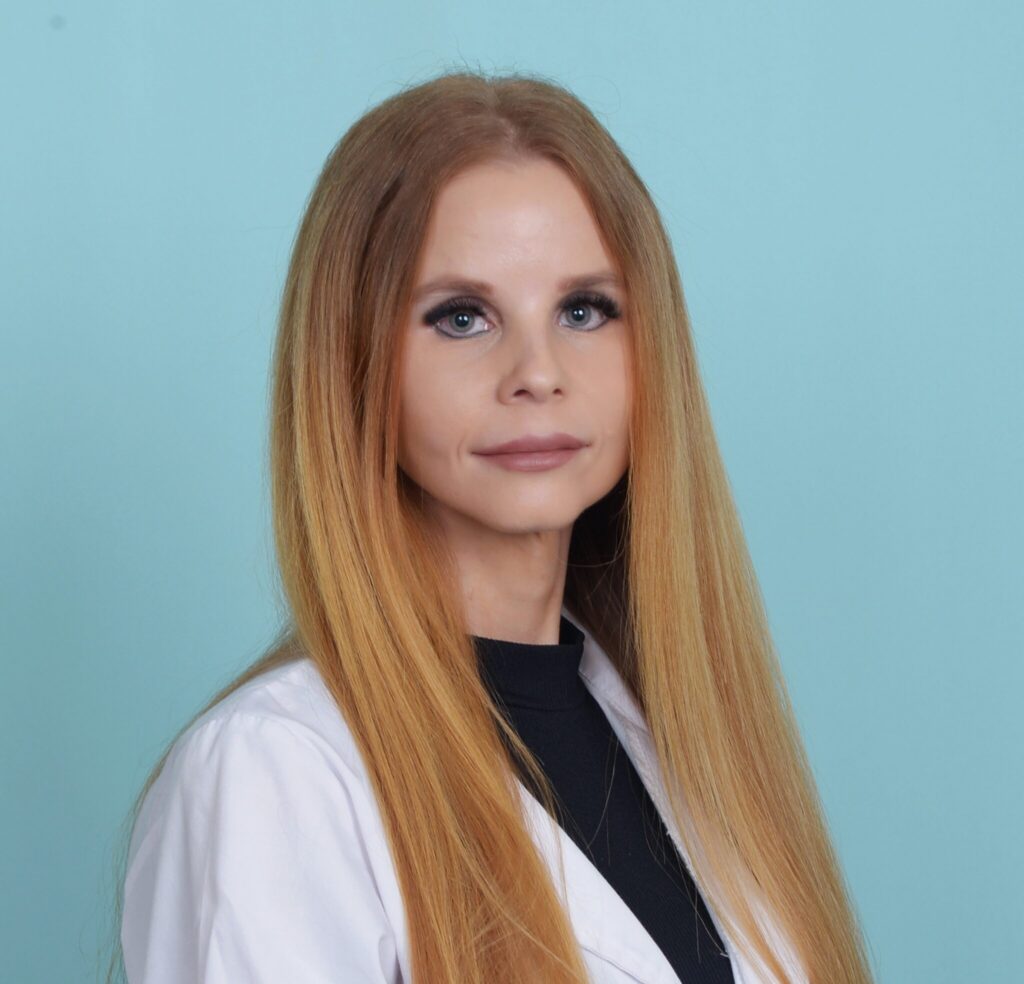
Jennifer Sanri ARNP PMHNP-BC, FNP
Psychiatry
Meet Your Provider
Jennifer Sanri
PMHNP-BC • Family Nurse Practitioner • Master Psychopharmacology Certified • DBT Certified
Compassionate psychiatric care grounded in advanced psychopharmacology,
psychotherapy, whole-person assessment, and respect for the individual behind the diagnosis.
Jennifer Sanri is a board-certified Psychiatric Mental Health Nurse Practitioner
with advanced education and clinical training across both psychiatric and family practice.
Her dual-specialty background supports a broader understanding of the relationship
between mental health, physical health, chronic illness, medication effects, lifestyle,
and overall functioning.
Her approach is collaborative, nonjudgmental, and highly individualized.
Treatment is designed around each patient’s symptoms, medical history,
experiences, values, preferences, and goals.
Who I Am
Mental healthcare should feel human.
My role is not simply to prescribe medication.
It is to understand what you are experiencing,
how it is affecting your life, and what may be contributing to it.
I believe effective psychiatric care starts with listening.
Symptoms rarely exist in isolation, and the same diagnosis can look
very different from one person to another.
My approach considers the interaction between emotional health,
physical health, relationships, stress, sleep, lifestyle,
medications, medical conditions, and the environment around you.
Patients are encouraged to ask questions, understand their options,
and participate actively in treatment decisions.
You are more than a diagnosis, a medication list,
or the symptoms that brought you into treatment.
Education & Clinical Training
Dual-specialty preparation for whole-person psychiatric care.
Jennifer’s advanced practice education spans two complementary
specialties: psychiatric mental health and family practice.
Psychiatric Mental Health
Psychiatric Mental Health Nurse Practitioner
Advanced psychiatric training includes psychiatric assessment,
diagnostic reasoning, psychopharmacology, medication management,
psychotherapy principles, risk assessment, treatment planning,
and ongoing management of mental health conditions across the lifespan.
Family Practice
Family Nurse Practitioner Training
Family practice education provides advanced preparation in
physical assessment, medical diagnosis, disease processes,
pharmacology, preventive care, and management of common
health conditions across the lifespan.
This additional clinical perspective can be especially valuable
when psychiatric symptoms overlap with chronic illness,
medical conditions, medication effects, sleep concerns,
pain, metabolic health, or other physical factors.
Advanced Professional Development
Training beyond the foundational psychiatric curriculum.
01
Master Psychopharmacology Certification
Jennifer completed the Master Psychopharmacology Program
through the Neuroscience Education Institute (NEI),
providing advanced education in psychiatric medications,
neuroscience, mechanisms of action, evidence-based prescribing,
and complex psychopharmacologic treatment considerations.
02
Dialectical Behavior Therapy Certification
DBT training supports the use of evidence-based strategies
focused on emotional regulation, distress tolerance,
mindfulness, interpersonal effectiveness, behavioral change,
and development of practical coping skills.
03
Integrated Clinical Perspective
Dual-specialty psychiatric and family practice education
supports careful consideration of both mental and physical
health factors when developing psychiatric treatment plans.
Why Dual-Specialty Training Matters
The mind and body do not function separately.
Psychiatric symptoms can be influenced by far more than
a psychiatric diagnosis alone.
Fatigue, chronic pain, sleep disruption, hormonal changes,
medical illness, medications, nutritional factors, metabolic conditions,
and other physiologic processes may influence mood, anxiety,
attention, cognition, and overall functioning.
Training in both psychiatric mental health and family practice
supports a broader clinical lens when evaluating these overlapping concerns.
Psychiatric Assessment
Mood, anxiety, attention, cognition, trauma, behavior,
sleep, thought processes, and psychiatric symptoms.
Physical Health Context
Relevant chronic illness, pain, metabolic factors,
medication effects, medical history, and physiologic contributors.
Medication Considerations
Potential benefits, risks, interactions, contraindications,
tolerability, and whole-person treatment considerations.
Integrated Treatment Planning
Psychopharmacology, psychotherapy-informed interventions,
behavioral strategies, education, and relevant lifestyle considerations.
How I Practice
Professional care without losing the human connection.
My goal is to create an environment where patients can talk
openly about what they are experiencing without feeling judged,
rushed, or reduced to a checklist of symptoms.
Nonjudgmental Care
You are welcome to discuss symptoms, concerns,
past experiences, and treatment preferences openly.
Individualized Treatment
Treatment plans are developed around the person
rather than automatically applying the same approach
to everyone with the same diagnosis.
Shared Decision-Making
Medication and treatment options are discussed collaboratively,
including potential benefits, risks, alternatives, and questions.
Evidence-Informed Care
Clinical decisions are guided by current evidence,
advanced psychopharmacology education, patient response,
and individual risk-benefit considerations.
Psychotherapy-Informed Psychiatry
Treatment may incorporate CBT, DBT-informed interventions,
supportive psychotherapy, motivational interviewing,
psychoeducation, and other therapeutic strategies when appropriate.
Whole-Person Perspective
Mental health is considered in the context of physical health,
relationships, environment, sleep, lifestyle, stress,
and meaningful life goals.
CareSync Psych
Mental healthcare that sees the whole person.
Whether you are seeking a psychiatric evaluation,
medication management, therapy-informed treatment,
or help understanding symptoms that have been difficult
to make sense of, the first step can simply be a conversation.
Providing compassionate non-judgmental patient-centered care that syncs mental and physical health for optimal well-being