Why Social Anxiety Flares During the Holidays: What the Research Tells Us
The holiday season is painted as a time of warmth, gatherings, and joyful connection. But for people living with social anxiety disorder (SAD), this time of year can feel especially overwhelming. Increased social expectations, crowded environments, and pressure to perform emotionally often collide with the core symptoms of social anxiety—leaving many feeling drained, ashamed, or even fearful.
Two major research findings help us understand why the holidays can be such a triggering time.
1. Shame Deepens Social Anxiety
Swee, Hudson, & Heimberg (2021) found that shame plays a powerful role in the experience of social anxiety—more than many people realize. Shame fuels the belief that “there’s something wrong with me” or “I’m not good enough,” making social interactions feel threatening.
During the holidays, shame can intensify because:
-
There are more opportunities for comparison
-
Family gatherings may resurface old insecurities
-
People feel pressure to appear happy or confident
-
Comments about appearance, lifestyle, or achievements can sting
Shame becomes a lens that distorts interactions. A small awkward moment—forgetting someone’s name, stumbling over words, or feeling out of place—can spiral into deep self-criticism. This emotional layer makes holiday events feel less like celebrations and more like tests.
2. Social Anxiety Changes How the Brain Processes Faces
One of the most striking insights from Günther et al. (2021) is that people with social anxiety perceive and process emotional faces differently. Eye-tracking studies show that individuals with SAD often:
-
avoid looking directly at faces
-
especially avoid eyes
-
hyper-focus on negative or threatening expressions
-
interpret neutral expressions as negative
-
scan their environment for signs of rejection or disapproval
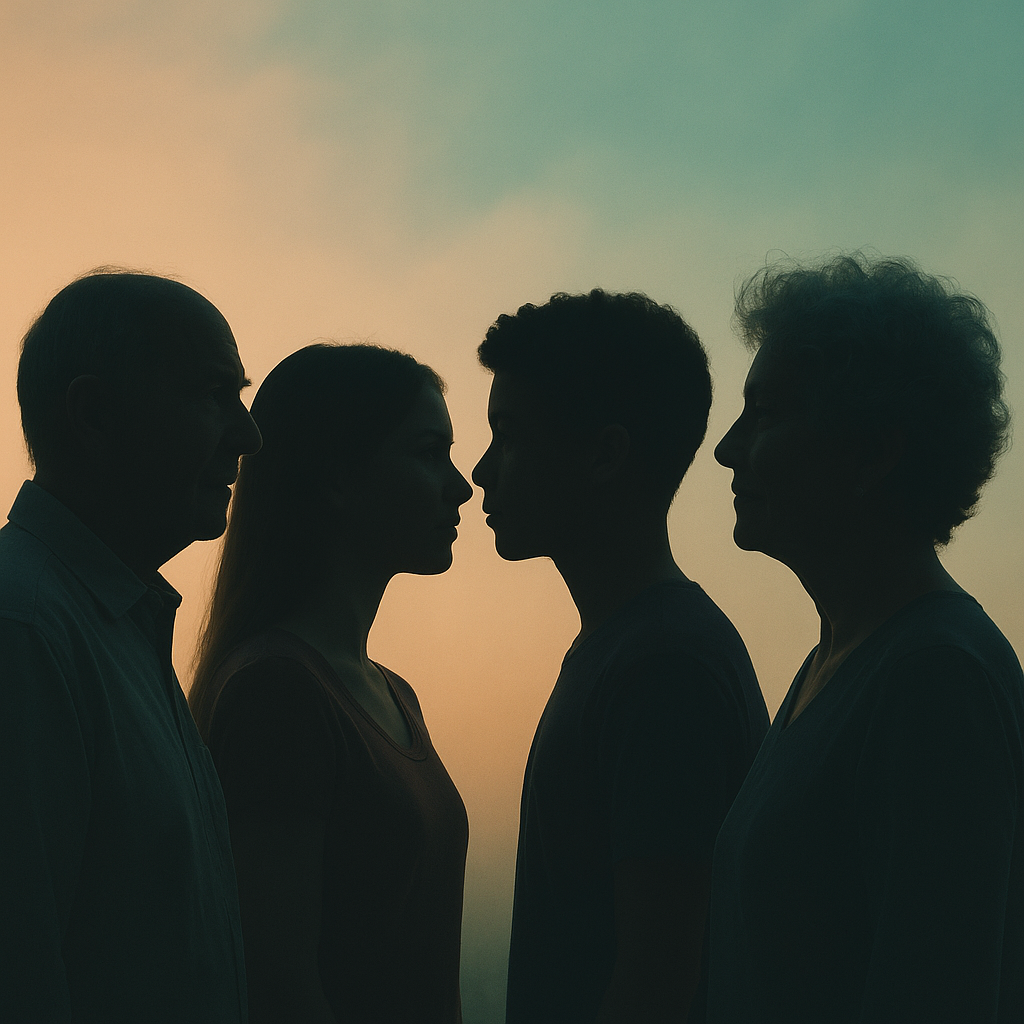
Imagine walking into a holiday party with these heightened patterns. Every glance feels loaded. Neutral faces appear judgmental. Your brain is working overtime, trying to detect threat in a room full of people who may not be thinking about you at all.
This hypervigilance is exhausting—and it’s a big reason holiday gatherings feel so intense.
3. The Holiday Environment Amplifies These Vulnerabilities
When shame and hyper-attuned threat perception collide with holiday expectations, people with social anxiety experience:
• Fear of judgment
Everything—from how you look in photos to what you bring to the potluck—can feel like it’s being evaluated.
• Anticipatory anxiety
Worrying for days or weeks before family gatherings or work parties.
• Rumination after events
Replaying conversations and perceived mistakes long after everyone else has moved on.
• Physical symptoms
Racing heart, sweating, trembling, nausea, or feeling frozen when entering crowded spaces.
• Social exhaustion
Because the brain never turns off its “threat scanning” mode, social events drain energy quickly.
4. You’re Not Alone—And Your Experience Is Valid
If holiday gatherings make you feel tense, self-conscious, or overwhelmed, you’re not “being dramatic.” You’re responding to an environment that intensifies patterns already linked to social anxiety.
The research affirms what many people feel but can’t always explain:
Your brain processes social cues differently—and that’s why this season may feel harder for you.
5. How CareSync Psych Supports You Through the Season
Whether you’re navigating mild social discomfort or living with significant social anxiety, support is available:
-
Evidence-based therapy (CBT, exposure therapy, mindfulness-based approaches)
-
Medication management when needed
-
Coaching on boundaries, pacing, and communication
-
Skills for managing shame and reducing self-criticism
-
Strategies for recovering emotionally after social events
You don’t have to push yourself past your limits—or avoid everything altogether. There is a middle ground, and we can help you find it.