Call us (863) 858-5554
HealthFlex
×
  • Home
  • About Us
    • Check Your Coverage
    • Insurance & Self-pay Options
    • Client-Centered Therapy
    • Crisis and After-Hours Care
    • Privacy Policy
  • Specializing In
    • Specializing In
    • Metabolic Psychiatry
    • Weight Management & Binge Eating
  • Services
    • Services
    • Medication Management for Mental Health
    • Telehealth
    • Client-Centered Therapy
    • Metabolic Psychiatry
  • Book An Appointment
  • Contact Us

Fluoxetine: Why This “Oldie” is Still a Goody

Fluoxetine: Why This “Oldie” is Still a Goody

Fluoxetine: Why This “Oldie” is Still a Goody

Mental Wellness

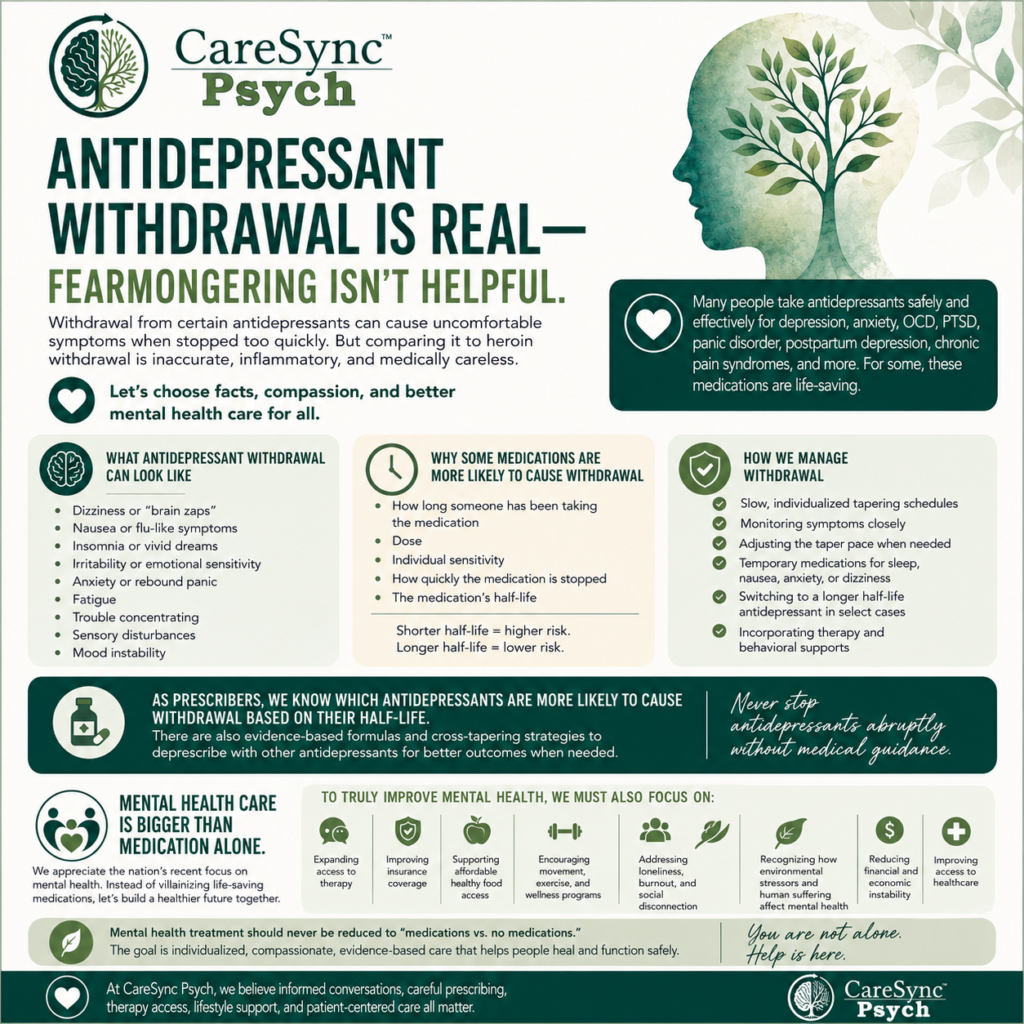
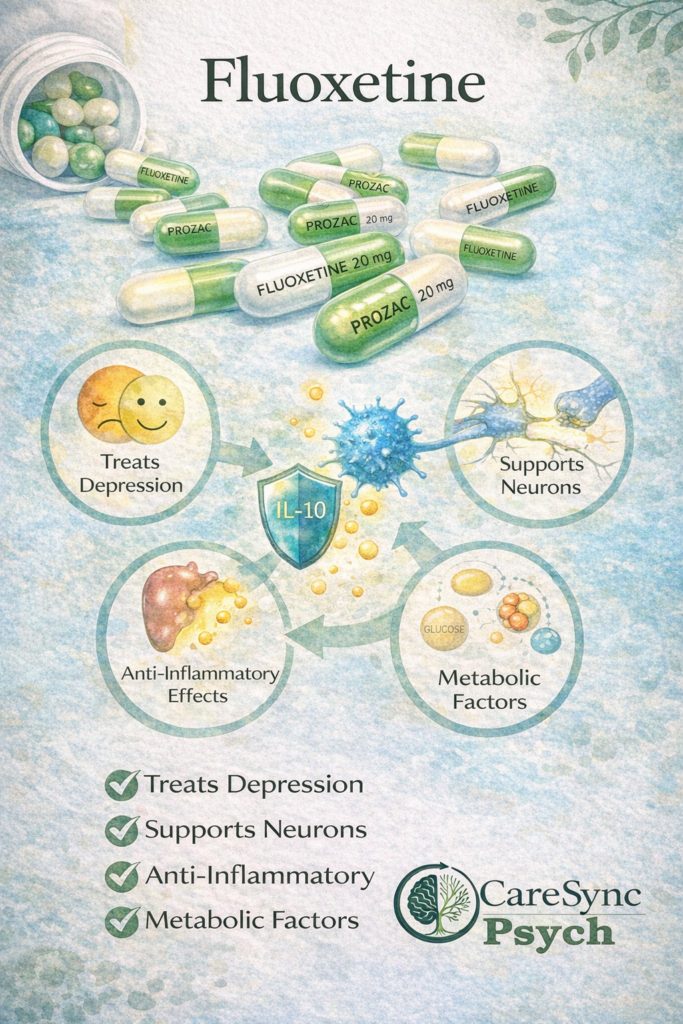
Fluoxetine (commonly known by the brand name Prozac) was first approved in the late 1980s. That means it’s a dinosaur medication in psychiatric terms. However new research reveals that this SSRI may still have biological consequences that are much deeper than just mood management.

Never take online information as an absolute. Do your own research. This post is not medical advise please ask your provider to guide your care

This post is not medical advice. Consult with your medical provider.

Two new studies show that fluoxetine may affect brain health, immunological function, and metabolic resilience. This suggests that the drug may have more therapeutic uses than previously thought.

Fluoxetine and Cognition

A systematic study conducted in 2024 examined the possible involvement of fluoxetine in Alzheimer’s disease and cognitive decline (Bougea et al., 2024).
Researchers discovered that fluoxetine may affect many molecular pathways associated with neurodegeneration:
• Neurogenesis—Fluoxetine may help new neurons grow, especially in the hippocampus, which is an area of the brain that is very important for memory.
• Less neuroinflammation: Long-term inflammation is a big reason why Alzheimer’s disease becomes worse. Fluoxetine seems to change how inflammation works in the brain.
• Amyloid-related pathways – Some studies done before fluoxetine was used on people show that it may affect the mechanisms that lead to amyloid plaque buildup.
• Synaptic plasticity – Fluoxetine may facilitate neuronal transmission by augmenting synaptic signaling.

Although this information does not show that fluoxetine is a medication for Alzheimer’s disease, This study suggests possibilities that the medicine may possess neuroprotective qualities that transcend its use in depression treatment.
(Bougea et al., 2024)

Fluoxetine and the Immune System

A research published in Science Advances in 2025 found something even more shocking. Researchers demonstrated that fluoxetine may boost IL-10–dependent metabolic defense mechanisms, which might help keep organisms alive after sepsis (Gallant et al., 2025). IL-10 is an important anti-inflammatory cytokine that controls immune responses and stops inflammation from becoming too bad.

The research revealed that fluoxetine can:
• turn on immune-metabolic pathways
• boost IL-10 signaling
• enhance resilience to intense inflammatory stress
This indicates that fluoxetine may affect immunological resilience and metabolic defense pathways, broadening its significance beyond psychiatry (Gallant et al., 2025).

What This Means for Mental Health

These findings indicate a broader trend in neuroscience and medicine.
Psychiatric treatments are not only “mood drugs.” They interact with a number of biological systems, such as:

Fluoxetine

Is It Depression—Or Are You Low on Vitamin D? What You Need to Know

Anxiety Treatment at CareSync Psych

Anxiety Treatment at CareSync Psych

Anxiety Disorder Treatment in Florida: Therapy, Medication, and Proven Self-Help Strategies

Anxiety disorders are among the most common mental health conditions in Florida, affecting adults, adolescents, and professionals juggling high stress, family demands, and fast-paced lifestyles. While anxiety can feel overwhelming and persistent, effective treatment is available, and most people improve significantly with the right combination of care.

At CareSync Psych, In Lakeland, Florida , we provide evidence-based anxiety treatment across Florida through medication management, therapy collaboration, and practical self-help strategies designed to calm the nervous system and restore confidence.

Anxiety isn’t a personal failure.

It’s a nervous system stuck in overdrive.

At CareSync Psych, we specialize in treating panic disorder, social anxiety, and OCD with care that goes deeper than symptom checklists or rushed prescriptions.

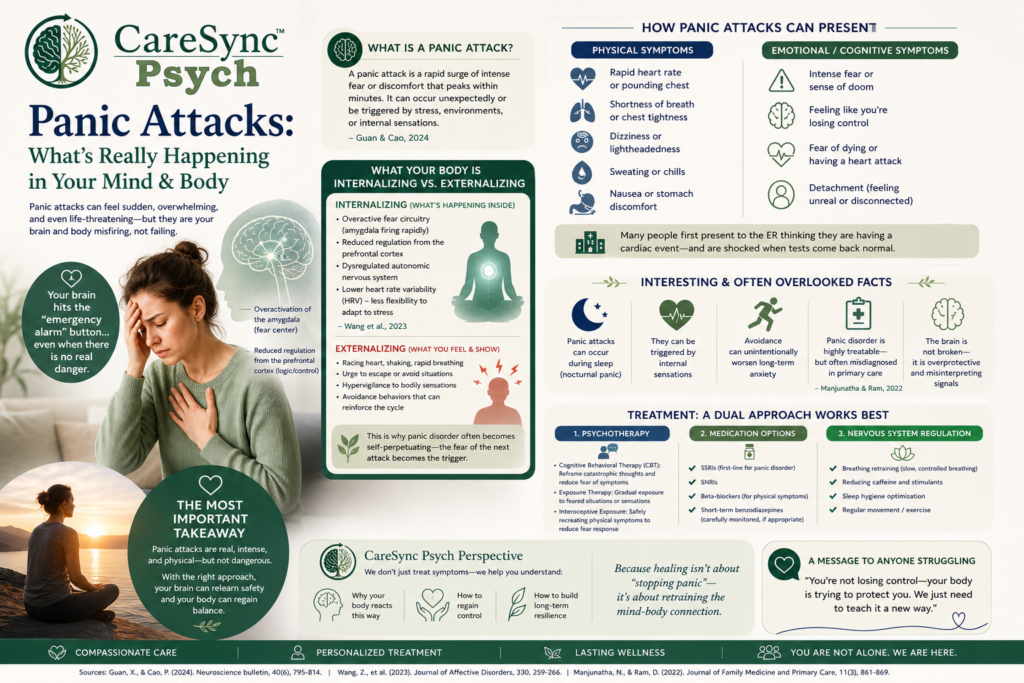
Panic attacks can make your body feel unsafe.
Social anxiety can quietly shrink your world.
OCD can trap you in exhausting cycles of fear, doubt, and control.

And when these conditions are misunderstood or minimized, the impact can be devastating.

💙 Our approach is different
We combine:


    • Specialized psychiatric care for anxiety and OCD
    • Thoughtful, individualized medication management
    • Therapy-informed treatment planning
    • A nervous-system-focused, mind–body approach

Progress isn’t just “fewer symptoms.”
It’s feeling calmer in your body, more confident in your life, and more in control when anxiety shows up.

 ✨ CareSync Psych helps adults struggling with panic disorder, social anxiety, and OCD regain calm and clarity through personalized, evidence-based psychiatric care.

If anxiety has been running your life—or quietly limiting it—you don’t have to navigate this alone.

CareSync Psych has treatment for anxiety in Lakeland, Florida


Panic disorder feels frightening—but it is treatable.
Anti-anxiety medications, therapy, and self-help strategies can work together to restore calm and confidence.

You don’t have to live in fear of the next panic attack.

Support is available—and recovery is possible.


📍 Anxiety Treatment in Florida | Self-pay & insurance options
📅 Now accepting new patients

Specializing In

How Anxiety Feels in the Body and Mind

Anxiety is not just mental—it is deeply physiological.

People with anxiety often experience:

  • Racing thoughts or constant worry

  • Rapid heart rate or chest tightness

  • Shortness of breath

  • Muscle tension

  • Restlessness or agitation

  • GI discomfort or nausea

  • Fatigue and poor sleep

Many people seek medical care first, believing something is physically wrong—because anxiety can feel that intense.

What Are Anxiety Disorders?

Anxiety disorders involve excessive fear, worry, or nervous system activation that interferes with daily life. Unlike everyday stress, anxiety disorders persist even when no immediate danger is present.

Common anxiety disorders treated in Florida include:

  • Generalized Anxiety Disorder (GAD)

  • Panic Disorder

  • Social Anxiety Disorder

  • Obsessive-Compulsive Disorder (OCD)

  • Health Anxiety

  • Trauma-related anxiety

Understanding Panic Disorder: Breaking the Cycle of Fear

Anxiety Treatment in Florida: Why Medication + Therapy Works Best

Research consistently shows that combining medication with psychotherapy leads to better outcomes than either alone for moderate to severe anxiety.

How Therapy Helps Anxiety

Therapy—especially Cognitive Behavioral Therapy (CBT)—helps by:

  • Teaching how anxiety works

  • Reducing catastrophic thinking

  • Gradually facing feared sensations or situations

  • Building long-term coping skills

Therapy retrains how the brain interprets threat.

Anxiety Treatment in with Anti-Anxiety Medications

Medication can help quiet the nervous system, making therapy and self-help strategies more effective.

Anti-anxiety medications:

  • Reduce baseline anxiety

  • Decrease panic symptoms

  • Improve emotional regulation

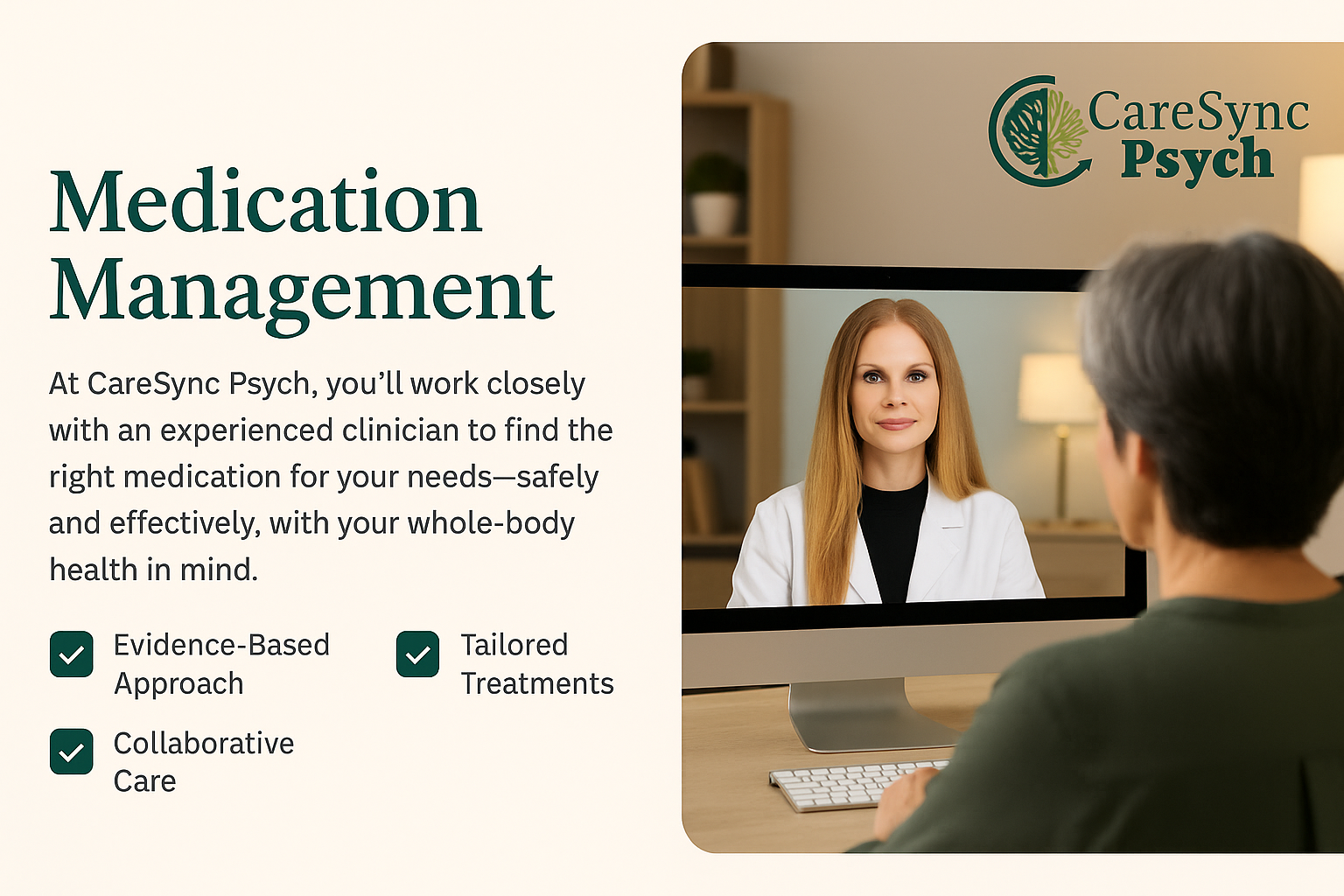
Medication Management for Mental Health

Medication is always personalized—there is no one-size-fits-all approach.

Read More

Obsessive-Compulsive Disorder (OCD)

Obsessive-Compulsive Disorder   (OCD)

Obsessive–Compulsive Disorder (OCD): A Whole-Person Guide

CareSync Psych Blog 

For More Info Visit CareSync Psych at www.caresyncpsych.com

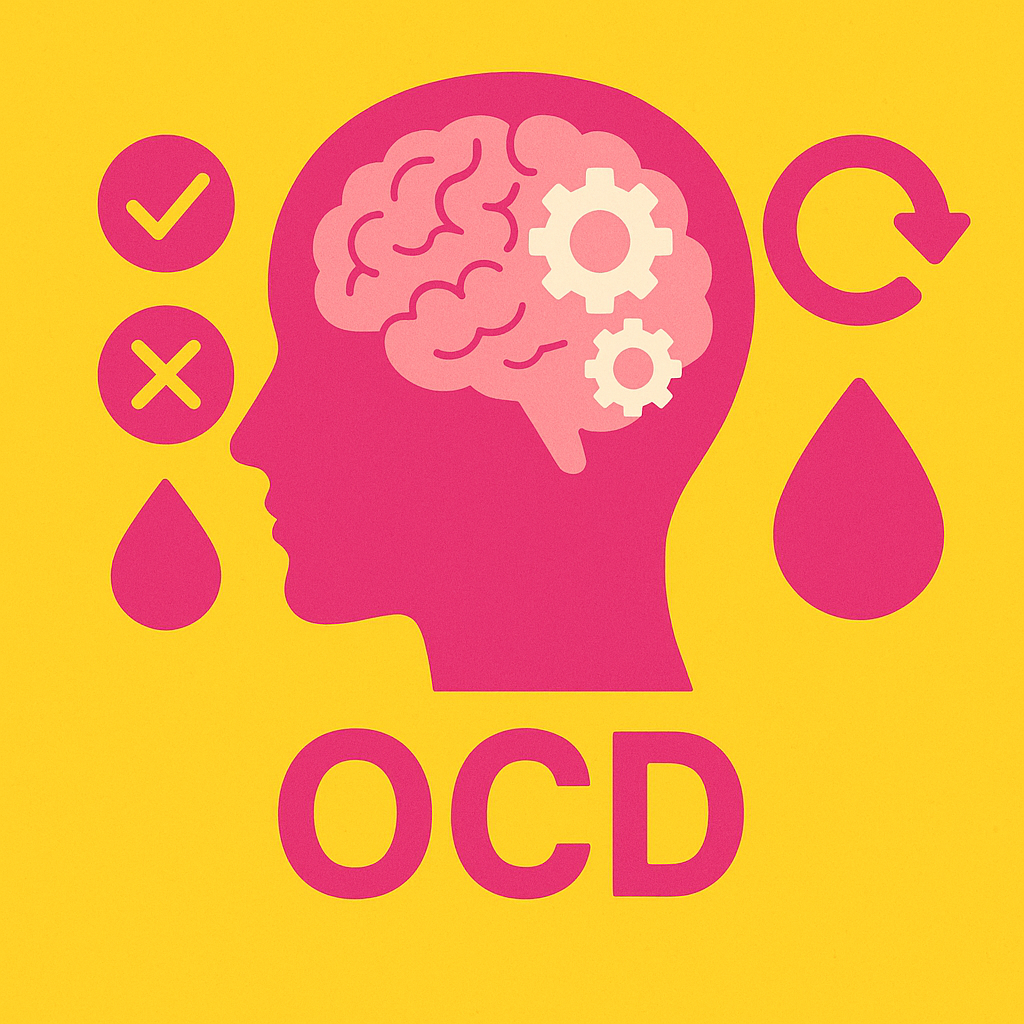
Obsessive–Compulsive Disorder (OCD) is not a personality quirk or a preference for neatness—it’s a neuropsychiatric condition marked by intrusive, distressing thoughts (obsessions) and repetitive behaviors or mental acts (compulsions) performed to reduce anxiety. Untreated, OCD can consume hours each day; treated, it is highly manageable with the right combination of therapy and, when appropriate, medication (Curtiss et al., 2021; Singh et al., 2023).


What OCD Is—In Plain Language

  • Obsessions: Unwanted thoughts, images, or urges (e.g., “What if I harmed someone?” “What if this is contaminated?”).

  • Compulsions: Behaviors or mental rituals done to feel safer or “just right” (washing, checking, praying, counting, neutralizing thoughts). Relief is temporary, which keeps the cycle going.


The Three Lenses: Biology, Psychology, and Environment

1) Biology (Brain & Body)

  • Circuits: In OCD, fronto-striatal-thalamic networks (e.g., orbitofrontal cortex, anterior cingulate, caudate) show dysregulated error-detection and habit loops, which can over-signal that “something is wrong” (Jalal, Chamberlain, & Sahakian, 2023).

  • Neurochemistry: Serotonergic systems (and often glutamatergic/dopaminergic modulation) are implicated—why SSRIs and clomipramine can help reduce symptom severity (Singh et al., 2023).

2) Psychology (How the Mind Interprets)

  • Cognitive style: Inflated responsibility (“If I don’t check, something bad will happen”), intolerance of uncertainty, perfectionism, and thought-action fusion (“Thinking it is as bad as doing it”) maintain obsessions and drive rituals (Curtiss et al., 2021).

  • Behavioral loops: Compulsions and safety behaviors reduce distress short-term, unintentionally “teaching” the brain that obsessions are dangerous—so they rebound stronger.

3) Environment (Context Matters)

  • Stress & learning: Stressful events, family accommodation (others assisting rituals), and critical/high-expressed-emotion environments can worsen symptoms (Singh et al., 2023).

  • Comorbidity: Anxiety disorders, depression, and tic-related conditions are common and can shape presentation and treatment planning (Singh et al., 2023).


How OCD Manifests (It’s Not Just Cleaning)

Common Symptom Dimensions

  • Contamination/Illness → washing, sanitizing, testing, reassurance seeking

  • Harm/Responsibility → checking stoves/locks, mental review of past actions

  • Symmetry/“Just-Right” → arranging, repeating until the feeling clicks

  • Forbidden/Taboo Thoughts (sexual, violent, blasphemous) → covert neutralizing, avoidance of triggers

  • Hoarding/Saving → difficulty discarding due to feared loss/consequence

Hidden Compulsions (Easy to Miss)

Compulsions aren’t always visible. Many are covert or cognitive, including:

  • Mental rituals: Replaying, counting, praying, “canceling” bad thoughts

  • Reassurance seeking: “Are you sure I didn’t offend them?”—by text, Google, or loved ones

  • Avoidance & safety behaviors: Not touching doorknobs, avoiding news, steering clear of people/places that trigger obsessions.

    • Importantly, avoidance in OCD functions as a compulsion—a ritual to reduce distress. While avoidance is also common in PTSD, in OCD it’s part of the obsession-compulsion feedback loop rather than a trauma cue response; clinically, it’s targeted like any other ritual in treatment (Curtiss et al., 2021).


Book an Appointment

Diagnosis At-a-Glance

  • Core features: Time-consuming obsessions/compulsions, significant distress, functional impairment.

  • Rule-outs: Differentiate from generalized anxiety, psychotic disorders, autism/ADHD-related rigidity, and trauma-related conditions (Singh et al., 2023).

  • Specifiers: Insight level (good/fair, poor, absent), tic-related.


What Actually Helps: Evidence-Based Care

1) CBT with Exposure and Response Prevention (ERP) — First-Line

  • How it works: Gradual, therapist-guided exposures to feared triggers without performing rituals. Over time, the brain relearns safety; anxiety peaks and then naturally falls.

  • Targets visible and hidden rituals: ERP addresses mental compulsions and avoidance directly (response prevention).

  • Skills add-ons: Cognitive restructuring, uncertainty tolerance, mindfulness, and relapse-prevention plans (Curtiss et al., 2021).

2) Medication — Often Alongside ERP

  • SSRIs (e.g., fluoxetine, sertraline, fluvoxamine, paroxetine, escitalopram) and clomipramine have the strongest evidence; OCD often requires higher doses and longer trials than depression/anxiety (Singh et al., 2023).

  • Augmentation: For partial responders, options may include low-dose antipsychotic augmentation or glutamatergic strategies under specialist care (Singh et al., 2023).

  • Why combine? Medication can lower baseline anxiety and obsessional intensity, making ERP more doable and durable (Curtiss et al., 2021).

3) Whole-Person Supports (CareSync Psych Approach)

  • Family work: Reduce accommodation and coach supportive responses.

  • Lifestyle & metabolic health: Sleep, exercise, nutrition, and stress-regulation improve cognitive control and therapy engagement.

  • Digital/at-home ERP tools: Between-session tracking, trigger hierarchies, and structured practice sustain momentum.


Book an appointment

Prognosis: OCD Is Treatable

With ERP/CBT, appropriate medication, and consistent practice, most people experience substantial reduction in symptoms and reclaim time, energy, and freedom. Setbacks happen; with relapse-prevention skills and a collaborative plan, progress is maintainable (Curtiss et al., 2021; Singh et al., 2023).


Key Takeaways

  • OCD is a brain-based, behavior-maintained condition shaped by biology, psychology, and environment.

  • Compulsions can be invisible (mental rituals, reassurance seeking) and avoidance acts like a ritual in OCD.

  • ERP/CBT and SSRIs/clomipramine are gold-standard treatments; many benefit from both.

  • With skilled care and practice, OCD is highly manageable—recovery is realistic.


References

  • Curtiss, J. E., Levine, D. S., Ander, I., & Baker, A. W. (2021). Cognitive-behavioral treatments for anxiety and stress-related disorders. Focus, 19(2), 184–189.

  • Jalal, B., Chamberlain, S. R., & Sahakian, B. J. (2023). Obsessive-compulsive disorder: Etiology, neuropathology, and cognitive dysfunction. Brain and Behavior, 13(6), e3000.

  • Singh, A., Anjankar, V. P., & Sapkale, B. (2023). Obsessive-compulsive disorder (OCD): A comprehensive review of diagnosis, comorbidities, and treatment approaches. Cureus, 15(11).

We are an outpatient mental health care provider committed to integrating evidence-based treatment with a holistic, healing-centered approach to promote mental wellness. Our patient-focused services include medication management, psychotherapy, metabolic psychiatry,  and wellness optimization.

“Providing compassionate mental health care by syncing the mind and body—treating the psychological with the physiological.”

Recent Posts

  • Disordered Eating
  • Understanding Political Beliefs & The Psychology of Politics
  • Transforming Your Mental Health by Healing
  • Psychedelics
  • Fluoxetine: Why This “Oldie” is Still a Goody
  • Home
  • About Us
  • Services
  • Book An Appointment
  • Contact Us
  • Weight Loss Management & Control
  • Sample Page
  • Food Addiction & Binge Eating
  • Free Mental Health Worksheets to Download

Copyright ©2026 all rights reserved
CareSync™ Health