
Call us (863) 858-5554
HealthFlex
×
  • Home
  • About Us
    • Insurance & Self-pay Options
    • Crisis and After-Hours Care
    • Client-Centered Therapy
    • Privacy Policy
  • Specializing In
    • Specializing In
    • Infertility and Loss
    • Metabolic Psychiatry
    • Heal your Trauma
  • Services
    • Services
    • Medication Management for Mental Health
    • Telehealth
    • Client-Centered Therapy
    • Metabolic Psychiatry
    • Weight Management & Binge Eating
  • Book an Appointment
  • Contact Us

Lithium Orotate: What the New Science Suggests (and What It Doesn’t)

Lithium Orotate: What the New Science Suggests (and What It Doesn’t)

Lithium is a naturally occurring element found in the Earth’s crust, trace amounts of water, soil, and certain foods.

It is not a synthetic drug—it exists in nature as a mineral salt and has been part of the human environment for thousands of years.

In medicine, lithium carbonate (prescription) is best known for its long-standing role in psychiatry, particularly in the treatment of bipolar disorder, mood instability, and suicide prevention. Its use in modern psychiatry dates back over 70 years.

This makes lithium carbonate (prescription version) one of the most well-studied treatments in mental health.

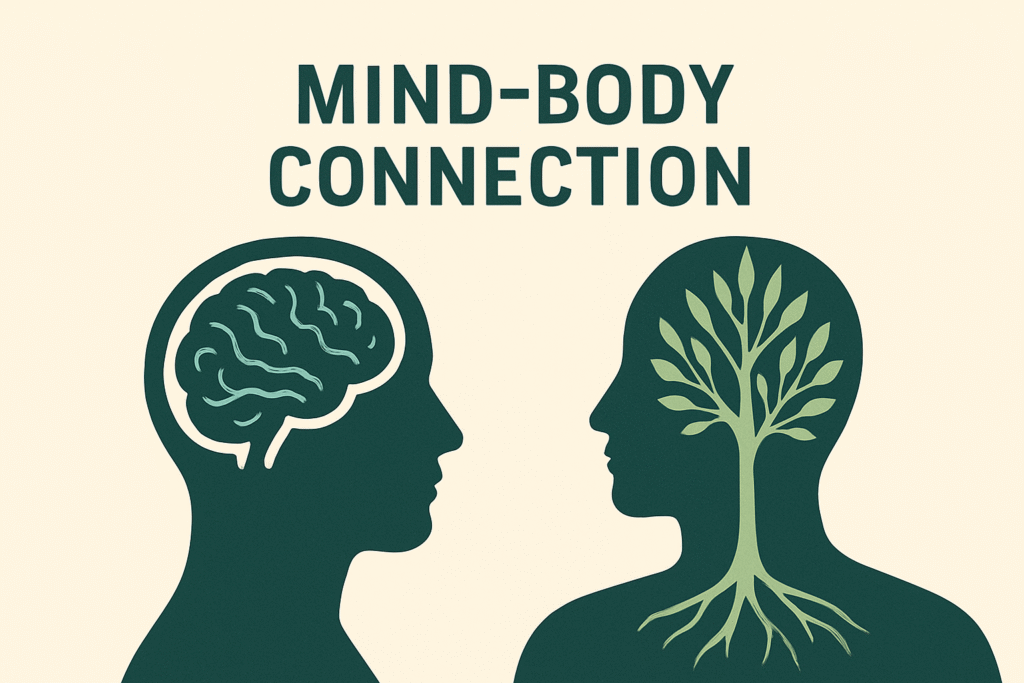
At CareSync Psych, lithium is understood through a mind–body, metabolic psychiatry lens, where brain chemistry, inflammation, kidney health, and overall physiology are all considered together.

Lithium Orotate

Lithium has one of the strongest evidence bases in psychiatry—especially for mood stabilization and suicide risk reduction. But lately, there’s growing buzz around a supplement form: lithium orotate.

So what does the research about lithium orotate say? Let’s start with-what is lithium orotate?


What is lithium orotate?

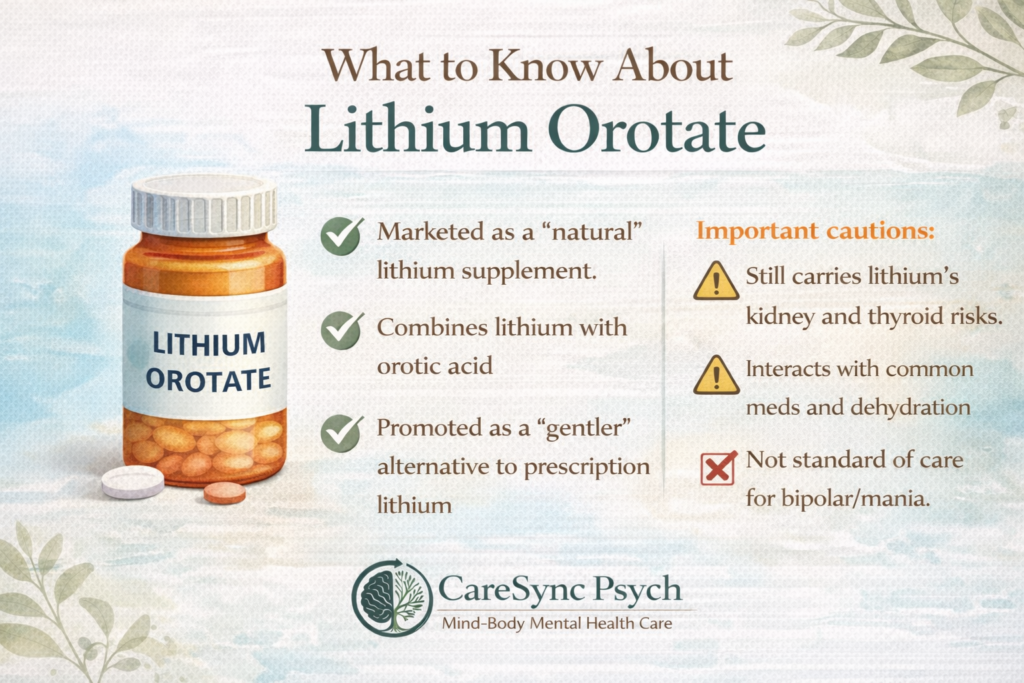
Lithium orotate is a compound where lithium is bound to orotic acid and is sold as a an over the counter dietary supplement (not a prescription medication). However, because it’s regulated differently than prescription lithium, dose consistency and quality can vary by product—and it may not be appropriate or safe for everyone (Devadason, 2018).

Potential benefits of lithium orotate

what early evidence suggests

1) Different pharmacokinetics may change potency

Preclinical work suggests lithium orotate may distribute differently in the body compared to lithium carbonate (commonly prescribed form), potentially delivering lithium to the brain more efficiently at lower doses in animal models. (Pacholko & Bekar, 2021).

2) Anti-manic effects displayed in mice model research.

In a mouse model of mania, lithium orotate showed anti-manic–like effects at lower elemental lithium doses than lithium carbonate—raising the question of whether it could be a more “potent” option in controlled settings (Pacholko & Bekar, 2023).

Is Lithium Orotate Safe to Take?

1) Human Research Trials of Lithium Orotate Are Still Very New and Limited

There are no large, high-quality human clinical trials establishing lithium orotate as a standard treatment for bipolar disorder, mania, or depression. Current discussion in the literature is cautious and exploratory (Devadason, 2018).

2) Safety and toxicity concerns remain real

A toxicological review highlights that safety depends on dose, duration, and exposure—and that “supplement” does not mean risk-free (Murbach et al., 2021).

3) Lithium is lithium—monitoring still matters

Prescription lithium requires careful monitoring because it can affect kidneys, thyroid, hydration/electrolytes, and interacts with common medications. The core clinical challenge is always balancing mental health benefits with renal safety (Strawbridge & Young, 2022).

Medication Management for Mental Health

Potential harms & interactions to know

Lithium (including lithium orotate or supplemental forms) could become unsafe with dehydration, illness, or interacting meds.

Major interaction categories include:

  • NSAIDs (ibuprofen/naproxen) → can raise lithium levels

  • ACE inhibitors / ARBs (common BP meds) → can raise lithium levels

  • Diuretics (especially thiazides) → can raise lithium levels

  • Dehydration, vomiting/diarrhea, heavy sweating → can raise lithium levels

  • Kidney disease or reduced kidney function → higher risk

  • Pregnancy/breastfeeding → requires specialist-level risk/benefit discussion

(General lithium safety principles; reinforced by clinical emphasis on renal balance in Strawbridge & Young, 2022.)

What is Metabolic Psychiatry?

Is lithium orotate ever recommended?

In mainstream psychiatric practice, lithium orotate is not a first-line or standard recommendation for bipolar disorder/mania because:

  • robust human trial evidence is lacking

  • supplement regulation and dose reliability vary

  • lithium still carries real interaction and organ-risk considerations

That said, the preclinical findings are interesting and may justify future clinical research—but for now, decisions should be individualized and medically supervised. (Devadason, 2018; Pacholko & Bekar, 2021; Pacholko & Bekar, 2023)


CareSync Psych take

If you’re considering lithium orotate because you want a “safer lithium,” here’s the safest framework:

✅ Don’t self-prescribe or combine with interacting meds
✅ Consider baseline labs and medical history (especially kidney/thyroid)
✅ Prioritize evidence-based options first
✅ If exploring supplements, do it with a clinician who understands lithium pharmacology

Weight Loss Management & Control

Book an Appointment

You Might Not Be Diabetic but You Could Be Insulin Resistant

You Might Not Be Diabetic but You Could Be Insulin Resistant

Why Insulin Resistance Matters—Even When Blood Sugar Is “Normal”

You might have insulin resistance even though your glucose levels are normal; this can impact your physical and mental health.

Many people are told their labs are “normal” and assume their metabolic health is fine—especially when fasting glucose falls within the expected range. Yet growing research shows that insulin sensitivity often declines years before blood sugar becomes abnormal. This hidden phase of metabolic dysfunction can quietly affect brain health, mood, energy, weight regulation, and inflammation, long before diabetes ever appears.

At CareSync Psych, we take a mind-body approach to mental health. Understanding insulin sensitivity is a critical part of that picture.

CareSync Psych in Lakeland Florida

-helps patients across Florida understand insulin resistance, metabolic health, and inflammation through metabolic psychiatry. Even with normal blood sugar, impaired insulin sensitivity may drive metabolic dysfunction, obesity, and prediabetes

Insulin Sensitivity vs. Blood Sugar: What’s the Difference?

Insulin Sensitivity vs. Blood Sugar: What’s the Difference?

Glucose is the sugar circulating in your bloodstream.
Insulin is the hormone that helps move glucose from the blood into cells so it can be used for energy.

  • Good insulin sensitivity = cells respond easily to insulin

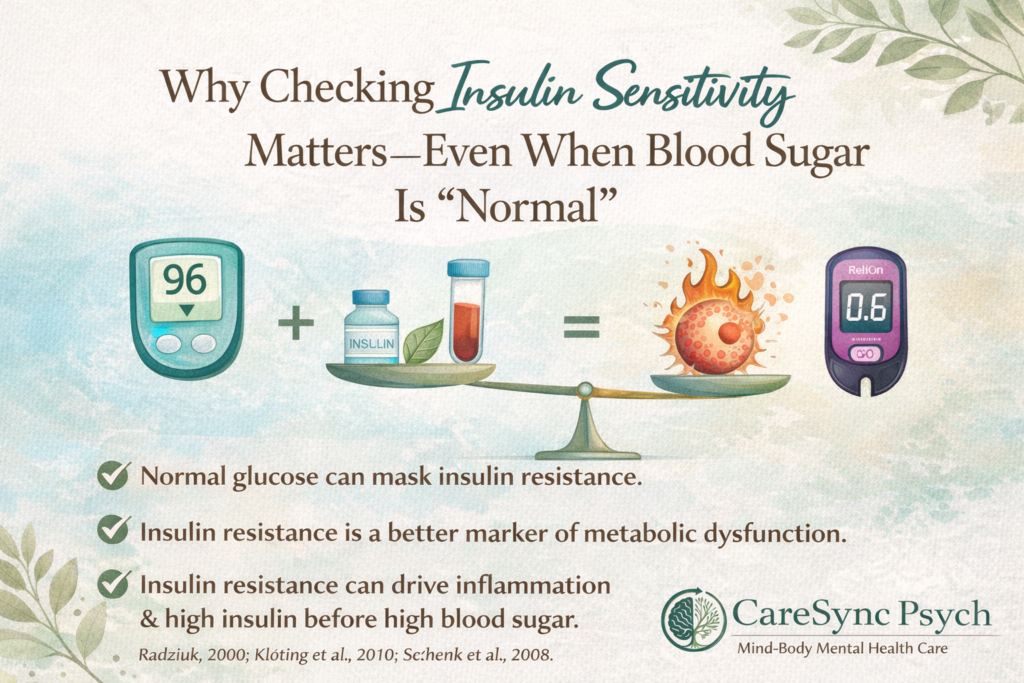
  • Insulin resistance = cells stop responding well, so the body must release more insulin to keep blood sugar normal

Here’s the key point:
👉 Blood sugar can stay normal for years while insulin levels are chronically elevated.

This is why fasting glucose alone often misses early metabolic dysfunction.

You might have insulin resistance even though your glucose levels are normal; this can impact your physical and mental health.

Many people are told their labs are “normal” and assume their metabolic health is fine—especially when fasting glucose falls within the expected range. Yet growing research shows that insulin sensitivity often declines years before blood sugar becomes abnormal. This hidden phase of metabolic dysfunction can quietly affect brain health, mood, energy, weight regulation, and inflammation, long before diabetes ever appears.

At CareSync Psych, we take a mind-body approach to mental health. Understanding insulin sensitivity is a critical part of that picture.

CareSync Psych in Lakeland Florida helps patients across Florida understand insulin resistance, metabolic health, and inflammation through metabolic psychiatry. Even with normal blood sugar, impaired insulin sensitivity may drive metabolic dysfunction, obesity, and prediabetes (Radziuk, 2000; Schenk et al., 2008).

Insulin Sensitivity vs. Blood Sugar: What’s the Difference?

You might have insulin resistance even though your glucose levels are normal; this can impact your physical and mental health.

At CareSync Psych, we take a mind-body approach to mental health. Understanding insulin sensitivity is a critical part of that picture.

Glucose is the sugar circulating in your bloodstream.
Insulin is the hormone that helps move glucose from the blood into cells so it can be used for energy.

  • Good insulin sensitivity = cells respond easily to insulin

  • Insulin resistance = cells stop responding well, so the body must release more insulin to keep blood sugar normal

Here’s the key point:
👉 Blood sugar can stay normal for years while insulin levels are chronically elevated.

This is why fasting glucose alone often misses early metabolic dysfunction.

Understanding Glucose Metabolism Disorders & Inflammation

Why Insulin Resistance Is a Better Early Marker of Metabolic Health

Research consistently shows that insulin resistance develops first, while glucose abnormalities come later (Radziuk, 2000).

During this stage:

  • The pancreas compensates by producing more insulin

  • Blood sugar appears “normal” on routine labs

  • Inflammation and metabolic stress increase quietly

Why Insulin Resistance Is a Better Early Marker of Metabolic Health

Research consistently shows that insulin resistance develops first, while glucose abnormalities come later (Radziuk, 2000).

During this stage:

  • The pancreas compensates by producing more insulin

  • Blood sugar appears “normal” on routine labs

  • Inflammation and metabolic stress increase quietly

The state of metabolic stress state places strain on multiple systems, including the brain, which is highly sensitive to insulin signaling.

The state of metabolic stress state places strain on multiple systems, including the brain, which is highly sensitive to insulin signaling.

Learn More

“Insulin-Sensitive Obesity” vs. “Hidden Insulin Resistance”

Interestingly, not all metabolic dysfunction looks the same.

Some individuals with higher body weight remain relatively insulin sensitive, while others—often at a “normal” weight—develop insulin resistance (Klöting et al., 2010). This means:

  • Weight alone does not define metabolic health

  • Thin individuals can still have significant insulin resistance

  • Mental health symptoms may appear before physical signs

This is especially relevant in psychiatry, where fatigue, depression, anxiety, brain fog, and poor stress tolerance may have metabolic contributors.

Understanding Glucose Metabolism Disorders & Inflammation

How Insulin Resistance Affects the Brain and Mental Health

Insulin plays a role far beyond blood sugar control. In the brain, insulin signaling supports:

  • Neurotransmitter balance

  • Cognitive function

  • Mood regulation

  • Stress response

When insulin resistance develops, chronic low-grade inflammation increases and brain signaling becomes less efficient (Schenk et al., 2008).

This inflammatory state has been linked to:

  • Depression
  • Anxiety
  • Cognitive slowing
  • Increased stress sensitivity
  • Difficulty regulating appetite and energy
This is one reason metabolic psychiatry looks upstream—before symptoms become entrenched.

Glucose and Neuroinflammation

Why “Normal Labs” Don’t Always Mean Optimal Health

Standard labs often focus on fasting glucose or A1C, which detect problems only after insulin resistance has progressed significantly. Earlier markers may include:

  • Elevated fasting insulin

  • HOMA-IR

  • Triglyceride-to-HDL ratio

  • Signs of systemic inflammation

By the time glucose rises, insulin resistance has often been present for years.

A Metabolic Psychiatry Perspective

At CareSync Psych, we believe mental health care works best when it addresses underlying physiology, not just symptoms. Measuring insulin sensitivity helps us:

  • Identify early metabolic stress

  • Personalize treatment plans

  • Support mood, cognition, and energy more effectively

  • Integrate lifestyle, nutrition, and medical strategies thoughtfully

This approach does not replace psychiatric care—it enhances it by treating the whole person.

What is Metabolic Psychiatry?

CareSync Psych in Lakeland Florida helps patients across Florida understand insulin resistance, metabolic health, and inflammation through metabolic psychiatry.

Even with normal blood sugar, impaired insulin sensitivity may drive metabolic dysfunction, obesity, and prediabetes.

Metabolic Psychiatry

What should you keep in mind?

  • Insulin resistance often appears before blood sugar abnormalities

  • Normal glucose does not guarantee metabolic health

  • Insulin sensitivity is a more sensitive early marker of dysfunction

  • Metabolic health and mental health are deeply interconnected

By identifying these patterns early, we can support long-term mental and physical well-being—before disease develops.

CareSync Psych in Lakeland Florida helps patients across Florida understand insulin resistance, metabolic health, and inflammation through metabolic psychiatry. Even with normal blood sugar, impaired insulin sensitivity may drive metabolic dysfunction, obesity, and prediabetes


Mind-Body Mental Health Care


🌴 Telehealth across Florida
📍 In-person visits in Lakeland, FL
💳 Insurance & Affordable Self-Pay Options


🔗 caresyncpsych.com

Understanding Glucose Metabolism Disorders & Inflammation

Understanding Glucose Metabolism Disorders & Inflammation

Metabolic Psychiatry

Understanding Glucose Metabolism Disorders & Inflammation

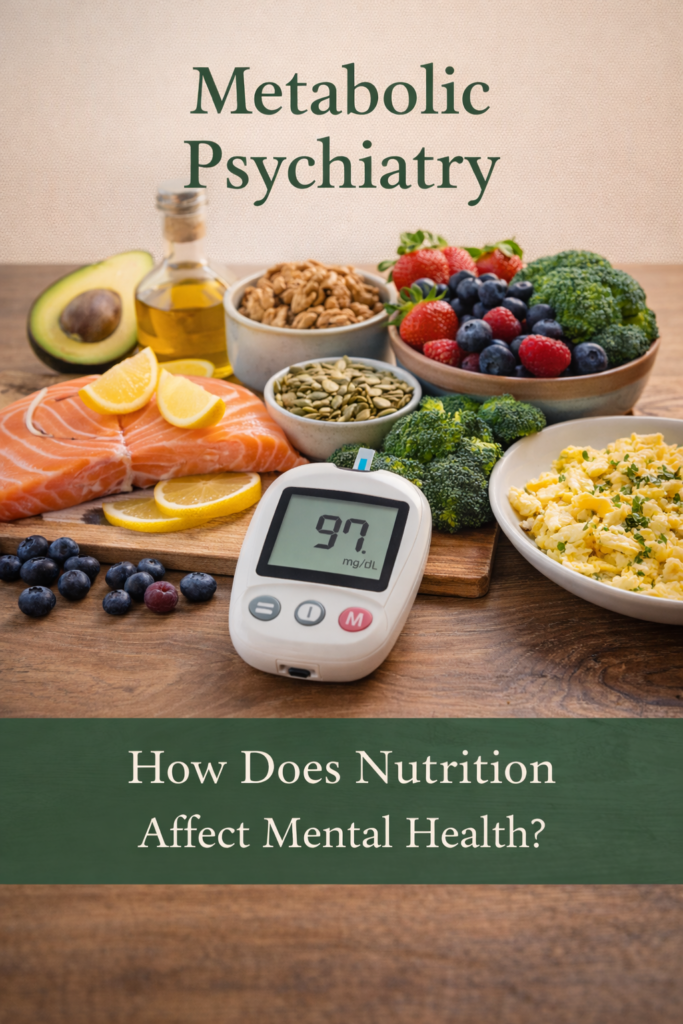
Metabolic Psychiatry is an emerging approach that focuses on how your health and metabolism impact your brain.

(And how it matters for mental health and overall wellness)


What do we mean by “glucose metabolism disorders”?

Book an Appointment

At its simplest: glucose metabolism refers to how your body handles sugar (glucose) — absorbing, using, storing, and regulating it. A “disorder” of glucose metabolism implies that one or more steps in that process is impaired, such that blood sugar levels run too high (hyperglycemia) or variably swing.

Common clinical entities include:


    • Insulin resistance — when cells (muscle, fat, liver) become less responsive to insulin, so more insulin is needed to keep blood sugar in check. Wikipedia+1
    • Prediabetes / impaired glucose tolerance — early dysregulation before full-blown type 2 diabetes
    • Type 2 diabetes mellitus — sustained hyperglycemia because the system (insulin secretion + insulin sensitivity) fails to compensate adequately
    • Hyperglycemia / elevated postprandial glucose — spikes of blood sugar after meals that stress the system Wikipedia+1

These metabolic disturbances are not just “lab numbers” — they interact deeply with inflammation, cell signaling, and systemic health, and may even influence cancer risk. Piątkiewicz & Czech (2011) review how altered glucose metabolism is implicated in cancer risk through pathways like oxidative stress, chronic inflammation, and dysregulation in cell proliferation. PubMed+2ResearchGate+2


Why is inflammation involved?

Inflammation and glucose dysregulation are tightly linked — each can exacerbate the other in a vicious cycle.


    • In states of insulin resistance or hyperglycemia, there is increased oxidative stress and production of reactive oxygen species, which can trigger inflammatory pathways. Wiley Online Library+2PMC+2
    • Pro-inflammatory cytokines (e.g. TNF-α, IL-6) impair insulin signaling and contribute to further insulin resistance. PMC+2AHADigital+2
    • Metabolic inflammation (sometimes called “meta-inflammation”) is a low-grade, chronic inflammatory state associated with obesity, excess fat in tissues, dysregulated adipokines, and immune cell infiltration into metabolic organs (liver, fat, muscle). AHADigital+2JA Clinical Online+2
    • In the Piątkiewicz & Czech framework, chronic dysregulation of glucose and insulin may also impair anti-cancer surveillance (for instance via effects on NK cells) and promote the microenvironment favoring tumorigenesis. Spandidos Publications+3PubMed+3ResearchGate+3

In short: when glucose metabolism is out of balance, it tends to fuel inflammation. In turn, that inflammation worsens metabolic regulation. Breaking the cycle is a key therapeutic goal.


Mental health, inflammation, and glucose metabolism

Because CareSync Psych is focused on psychiatric/psychological well-being, it’s worth noting:


    • Inflammation is implicated in mood disorders, cognitive dysregulation, and neuropsychiatric conditions.
    • Insulin resistance and hyperglycemia can influence brain energy metabolism, neuroinflammation, and neurotransmitter systems.
    • Many psychotropic medications (e.g. some antipsychotics, mood stabilizers) have metabolic side effects — weight gain, insulin resistance — which increase vulnerability to glucose dysregulation and inflammation.

Thus, supporting better glucose homeostasis can have synergy with psychiatric care, improving not just physical health but potentially mental health outcomes.


What does the science say about Metabolic Psychiatry ?

Evidence-Based Strategies to Reduce Inflammation & Support Healthy Glucose Metabolism

Below are examples of possible strategies:


1. Dietary / Nutritional Modulation


    • Emphasize whole, minimally processed foods: lots of vegetables, legumes, whole grains, lean proteins, nuts. This helps supply fiber, phytonutrients, antioxidants. PMC+3JA Clinical Online+3JACC+3
    • Choose low-glycemic index/load carbohydrates to avoid huge post-meal glucose spikes. JACC+1
    • Include anti-oxidant and anti-inflammatory nutrients — e.g. polyphenols, flavonoids, vitamins (C, E), carotenoids. The LWW article you referenced deals with how antioxidants may help buffer oxidative stress in the context of glucose disorders. Lippincott Journals
    • Prioritize omega-3 fatty acids (from fatty fish, flax, chia) — these can help counter pro-inflammatory lipid signaling.
    • Avoid or reduce ultraprocessed foods, added sugars, refined carbs — these contribute to inflammation, insulin spikes, and lipotoxicity. JA Clinical Online+2Wiley Online Library+2
    • Consider “nutritional timing” / meal sequencing: Some research suggests that eating protein and fiber before carbs, or spreading carbs across the day, may blunt postprandial glycemic responses. JACC+1
    • Modulate the gut microbiome: Dietary fiber (prebiotics), fermented foods, and supporting microbial diversity help maintain gut barrier integrity and reduce systemic endotoxin-driven inflammation. Wikipedia+1


2. Physical Activity & Exercise


    • Exercise improves insulin sensitivity (especially in muscle) and helps glucose uptake independent of insulin.
    • It also stimulates AMP-activated protein kinase (AMPK), a cellular “energy sensor” that helps shift metabolism toward more efficient, healthier processing. JA Clinical Online+3arXiv+3Nature+3
    • Both aerobic and resistance training are beneficial; consistency is more important than intensity for most clients.
    • Even moderate daily movement (e.g. walking after meals) can moderate postprandial glucose spikes and reduce inflammation.


3. Weight Management & Body Composition


    • Excess adiposity (especially visceral fat) is strongly pro-inflammatory and contributes to insulin resistance.
    • Gradual, sustainable weight loss can reduce inflammation, improve insulin sensitivity, and relieve metabolic stress. AHADigital+2PMC+2


4. Sleep, Circadian Rhythm & Stress Regulation


    • Poor or insufficient sleep is associated with worse insulin sensitivity, dysregulated appetite hormones, and elevated inflammatory markers.
    • Aligning eating/fasting windows with circadian rhythms (for example, avoiding late-night eating) may help glycemic control.
    • Stress (psychological or physiological) raises cortisol, which antagonizes insulin and can push glucose higher — meditation, biofeedback, breathwork, psychotherapy are all relevant.


5. Pharmacological / Medical Adjuncts (in collaboration with providers)


    • Some glucose-lowering medications also have anti-inflammatory effects. For example, metformin is believed to act beyond glucose, modulating inflammation via AMPK pathways. Wikipedia+2Nature+2
    • Newer agents (e.g. semaglutide) are being studied for both metabolic and anti-inflammatory benefits. ScienceDirect
    • In diabetes, certain drugs (e.g. thiazolidinediones) may reduce inflammation more than others for the same glycemic reduction. PMC+1
    • Some studies are exploring immunometabolism (targeting metabolic pathways in immune cells) as a future anti-inflammatory strategy. Nature


6. Antioxidant Support & Supplementation (with caution)


    • Because oxidative stress is a mediator between hyperglycemia and inflammation, antioxidants (dietary or supplemental) may help buffer the damage.
    • But: indiscriminate high-dose antioxidant supplementation can have drawbacks (e.g. interfering with beneficial reactive oxygen signaling).
    • It’s safer to prioritize obtaining antioxidants via whole foods (berries, dark greens, nuts, colorful vegetables) rather than “megadoses” of supplements.
    • Book an Appointment


    Metabolic Psychiatry involves how you eat, sleep, move, manage stress, and control blood sugar all change how your brain functions.

    So instead of focusing only on symptoms like anxiety or depression, metabolic psychiatry also explores things like:

    • inflammation

    • insulin resistance

    • nutrient deficiencies

    • symptoms

    • chronic stress hormones

    • sleep and circadian rhythm

    The goal is to treat mental health from both sides:
    brain chemistry + whole-body biology.

    Metabolic Psychiatry in Lakeland, Florida. In-person or telehealth available for the whole state of Florida.

    References

    Azzi, A., Davies, K. J., & Kelly, F. (2004). Free radical biology—Terminology and critical thinking. FEBS Letters, 558(1–3), 3–6.

    Bastard, J. P., Maachi, M., Lagathu, C., Kim, M. J., Caron, M., Vidal, H., Capeau, J., & Feve, B. (2006). Recent advances in the relationship between obesity, inflammation, and insulin resistance. European Cytokine Network, 17(1), 4–12.

    Czech, A., & Piątkiewicz, P. (2011). Glucose metabolism disorders and the risk of cancer. Archivum Immunologiae et Therapiae Experimentalis, 59(3), 215–230.

    Dandona, P., Aljada, A., & Bandyopadhyay, A. (2004). Inflammation: The link between insulin resistance, obesity, and diabetes. Trends in Immunology, 25(1), 4–7. https://doi.org/10.1016/j.it.2003.10.013

    Evans, J. L., Goldfine, I. D., Maddux, B. A., & Grodsky, G. M. (2002). Oxidative stress and stress-activated signaling pathways: A unifying hypothesis of type 2 diabetes. Endocrine Reviews, 23(5), 599–622. https://doi.org/10.1210/er.2001-0039

    Giugliano, D., Ceriello, A., & Esposito, K. (2006). The effects of diet on inflammation: Emphasis on the metabolic syndrome. Journal of the American College of Cardiology, 48(4), 677–685. https://doi.org/10.1016/j.jacc.2006.03.052

    Grundy, S. M. (2016). Metabolic syndrome update. Trends in Cardiovascular Medicine, 26(4), 364–373. https://doi.org/10.1016/j.tcm.2015.10.004

    Hawley, J. A., & Lessard, S. J. (2008). Exercise training-induced improvements in insulin action. Acta Physiologica, 192(1), 127–135. https://doi.org/10.1111/j.1748-1716.2007.01783.x

    Hotamisligil, G. S. (2017). Inflammation, metaflammation, and immunometabolic disorders. Nature, 542(7640), 177–185. https://doi.org/10.1038/nature21363

    Piątkiewicz, P., & Czech, A. (2010). Antioxidants and glucose metabolism disorders. Current Opinion in Clinical Nutrition & Metabolic Care, 13(4), 512–518.

    Rains, J. L., & Jain, S. K. (2011). Oxidative stress, insulin signaling, and diabetes. Free Radical Biology & Medicine, 50(5), 567–575. https://doi.org/10.1016/j.freeradbiomed.2010.12.006

    Reaven, G. M. (2005). The insulin resistance syndrome: Definition and dietary approaches to treatment. Annual Review of Nutrition, 25(1), 391–406. https://doi.org/10.1146/annurev.nutr.24.012003.132155

    Vozarova, B., Weyer, C., Hanson, K., Tataranni, P. A., Bogardus, C., & Pratley, R. E. (2001). Circulating interleukin-6 in relation to adiposity, insulin action, and insulin secretion. Obesity Research, 9(7), 414–417. https://doi.org/10.1038/oby.2001.54

    Xu, H., Barnes, G. T., Yang, Q., Tan, G., Yang, D., Chou, C. J., … & Chen, H. (2003). Chronic inflammation in fat plays a crucial role in the development of obesity-related insulin resistance. Journal of Clinical Investigation, 112(12), 1821–1830. https://doi.org/10.1172/JCI19451

    Glucose and Neuroinflammation

    Glucose and Neuroinflammation

    Glucose and Hypometabolism

    Cerebral glucose hypometabolism refers to a reduction in the brain’s ability to metabolize glucose, the primary source of neuronal energy. Because neurons have limited capacity for energy storage, consistent glucose supply is essential for proper cognitive, emotional, and behavioral function. When metabolism slows, neurons become less active, leading to impaired neurotransmission, synaptic plasticity, and overall brain performance — even before structural damage occurs.


    🔬 Pathophysiology

    Glucose metabolism in the brain occurs primarily through aerobic glycolysis, producing ATP to fuel neuronal signaling. When this process falters — whether due to mitochondrial dysfunction, neuroinflammation, insulin resistance, or oxidative stress — regions of the brain exhibit hypometabolism on FDG-PET (fluorodeoxyglucose positron emission tomography) scans.

    Mechanisms contributing to cerebral hypometabolism include:

    • Mitochondrial dysfunction: decreased ATP synthesis impairs neuronal signaling.
    • Neuroinflammation: cytokines disrupt insulin and glucose pathways.
    • Brain insulin resistance: glucose uptake is blunted despite normal peripheral insulin levels.
    • Oxidative stress: damages neuronal membranes and enzymes critical for metabolism.

    🧩 Clinical Correlations

    Cerebral glucose hypometabolism is observed across neuropsychiatric and neurodegenerative disorders, with distinct regional patterns:

    Condition Commonly Affected Regions Clinical Correlates
    Alzheimer’s Disease Posterior cingulate, parietotemporal cortex Early memory loss and executive dysfunction
    Frontotemporal Dementia Frontal and anterior temporal lobes Behavioral disinhibition, apathy
    Major Depressive Disorder Dorsolateral prefrontal cortex, anterior cingulate Impaired concentration, emotional regulation
    Schizophrenia Frontal and temporal regions Executive dysfunction, cognitive impairment
    Bipolar Disorder Frontal, limbic circuits Mood instability, impulsivity
    Traumatic Brain Injury Site-specific Cognitive slowing, emotional dysregulation

    In psychiatry, hypometabolism often reflects neural circuit inefficiency rather than cell loss. For instance, decreased glucose utilization in the prefrontal cortex may explain poor emotional regulation in depression or executive dysfunction in schizophrenia.


    ⚕️ Integrative and Metabolic Psychiatry Perspective

    At CareSync Psych, cerebral glucose hypometabolism underscores the mind-body connection — illustrating how metabolic and psychiatric processes intertwine. Emerging research links metabolic dysfunction (e.g., insulin resistance, obesity, chronic inflammation) with neuropsychiatric symptoms, suggesting that improving systemic metabolism may also enhance brain energy and mood stability.

    Therapeutic approaches that can help restore cerebral metabolism include:

    • Lifestyle interventions: balanced nutrition, exercise, restorative sleep.
    • Nutritional psychiatry: ketogenic or low-glycemic diets supplying ketones as alternate brain fuel.
    • Pharmacologic supports: metformin, GLP-1 receptor agonists, and mitochondrial antioxidants (e.g., CoQ10).
    • Psychotherapy and mindfulness: reducing stress-driven cortisol spikes that impair glucose utilization.

    🌿 Clinical Implications and Future Directions

    • FDG-PET imaging remains the gold standard to detect regional hypometabolism.
    • Metabolic psychiatry is reframing depression, anxiety, and cognitive decline as partly bioenergetic disorders.
    • Addressing glucose dysregulation early may prevent progression of cognitive and emotional disorders.
    • Future research aims to integrate metabolic biomarkers into psychiatric diagnostics and personalized treatment plans.

    🧾 References (APA 7th Edition)

    • Butterfield, D. A., & Halliwell, B. (2019). Oxidative stress, dysfunctional glucose metabolism, and Alzheimer disease. Nature Reviews Neuroscience, 20(3), 148–160. https://doi.org/10.1038/s41583-019-0132-6
    • Cunnane, S. C., Trushina, E., Morland, C., Prigione, A., Casadesus, G., Andrews, Z. B., … & Mattson, M. P. (2020). Brain energy rescue: An emerging therapeutic concept for neurodegenerative disorders of ageing. Nature Reviews Drug Discovery, 19(9), 609–633. https://doi.org/10.1038/s41573-020-0072-x
    • Mosconi, L., Berti, V., Glodzik, L., Pupi, A., De Santi, S., & de Leon, M. J. (2010). Pre-clinical detection of Alzheimer’s disease using FDG-PET, with or without amyloid imaging. Journal of Alzheimer’s Disease, 20(3), 843–854. https://doi.org/10.3233/JAD-2010-091504
    • Rasgon, N. L., & McEwen, B. S. (2016). Insulin resistance—a missing link no more. Molecular Psychiatry, 21(12), 1648–1652. https://doi.org/10.1038/mp.2016.163
    • Tomasi, D., & Volkow, N. D. (2019). Associations between brain activation, glucose metabolism, and psychiatric symptoms in major depressive disorder. Molecular Psychiatry, 24(12), 1672–1680. https://doi.org/10.1038/s41380-018-0262-9
    • Zhang, X., Chen, W., Li, J., Zhang, Y., & Xu, Y. (2021). Brain glucose hypometabolism and psychiatric disorders: A review of mechanisms and therapeutic perspectives. Frontiers in Psychiatry, 12, 700–714. https://doi.org/10.3389/fpsyt.2021.700714

    Food Addiction: Why It’s Real, Why We Feel Out of Control, and How Healing Begins

    Food Addiction Treatment in Lakeland, Florida. Both in- person or telehealth appointments available for the state of Florida.

    Many people struggling with food addiction describe a painful cycle: intense cravings, loss of control, guilt, and a promise to “do better tomorrow.” Yet this cycle isn’t simply about willpower. Research now shows that for some individuals, food addiction is a valid neurobiological and psychological condition—one that deserves understanding and compassionate, evidence-based treatment.

    At CareSync Psych, we help patients recognize that food addiction is not a moral failure—it’s a complex interaction between the brain, body, and emotional regulation systems.

    Book an Appointment


    Is Food Addiction Real?

    The concept of “food addiction” has been debated for years. However, growing evidence supports that highly palatable foods—especially those rich in sugar, fat, and salt—can activate the same neural reward pathways as drugs of abuse.


      • According to Gordon et al. (2018), a systematic review and found strong evidence linking addictive-like eating patterns to the dopamine-driven reward system seen in substance use disorders.
      • Fletcher & Kenny (2018) concluded that food addiction shares behavioral, neurochemical, and genetic overlaps with traditional addictions.
      • Davis (2013) also discussed that binge eating disorder (BED) and food addiction share common features such as loss of control, tolerance, and withdrawal symptoms.


    In other words, the brain can become “hooked” on certain foods in much the same way it becomes hooked on drugs—especially ultra-processed foods that hijack our reward system.


    The Brain–Body Mechanisms Behind Food Addiction


    1. Dopamine Dysregulation in Food Addiction

    When we eat hyperpalatable foods, the brain releases a surge of dopamine in the nucleus accumbens—the same reward area activated by drugs like cocaine or opioids. Over time, the brain may require more of that stimulus to achieve the same pleasure, leading to cravings and compulsive eating.


    2. Stress and Cortisol‘

    Chronic stress triggers cortisol, increasing appetite and preference for “comfort foods.” This stress-eating loop reinforces emotional dependency on food as a coping mechanism.


    3. Insulin and Leptin Resistance

    Biological changes in metabolism, especially insulin resistance, blunt hunger and satiety cues, making it harder to regulate intake. The body craves quick energy even when it doesn’t need it.


    4. Gut–Brain Axis

    Emerging evidence suggests gut microbiome imbalances can alter neurotransmitter production and cravings—linking digestion, emotion, and appetite regulation in a powerful feedback loop.


    The Emotional and Mental Health Connection

    Food addiction rarely exists in isolation. It’s often intertwined with anxiety, depression, trauma, and obsessive-compulsive tendencies.


      • Many people use food for emotional regulation—to numb, soothe, or escape discomfort.
      • Feelings of shame and guilt after overeating can trigger further stress, fueling another cycle of bingeing.
      • Early life adversity and attachment disruptions may increase vulnerability by altering stress responses and reward sensitivity.


    As Davis (2013) describes, these overlapping mechanisms mean that treating food addiction requires addressing both biological and psychological roots.


    Why We Feel “Out of Control” & Why Food Addiction is Real

    When people say, “I know I shouldn’t eat it, but I can’t stop myself,” they are describing the very essence of addiction—a disconnect between intention and behavior. This sense of loss of control comes from changes in the brain’s prefrontal cortex, the region responsible for decision-making and impulse control.

    Repeated exposure to addictive foods dulls this region’s inhibitory capacity, while the limbic system (reward/emotion) becomes more dominant. The result: even when we consciously want to stop, our neurobiology keeps pushing us toward the next “fix.”


    Healing Through Understanding and Integration

    At CareSync Psych, we approach food addiction through the lens of metabolic psychiatry and compassionate behavioral therapy. Healing begins by syncing the mind and body.


    Our approach includes:


      • Psychotherapy and Mindfulness-Based Interventions to explore emotional triggers, perfectionism, and shame.
      • Metabolic and Nutritional Assessment to stabilize blood sugar, reduce inflammation, and restore neurotransmitter balance.
      • Medication-Assisted and Supplement Support (when indicated) targeting dopamine or serotonin pathways.
      • Lifestyle and Behavioral Strategies including stress management, movement, and restorative sleep to reset the body’s reward systems.


    Home

    Recovery isn’t about deprivation—it’s about reclaiming control, reconnecting with internal hunger and fullness cues, and healing the relationship with both food and self.


    The Takeaway

    Food addiction is not a weakness—it’s a neurobiological reality rooted in survival mechanisms that have been hijacked by modern food environments. Understanding it as both a mental health and metabolic issue allows for deeper compassion and more effective treatment.

    At CareSync Psych, we believe recovery begins when you stop blaming yourself and start treating both your brain chemistry and emotional wounds together—because healing happens when mind and body finally sync.


    📖 References


      • Gordon, E. L., Ariel-Donges, A. H., Bauman, V., & Merlo, L. J. (2018). What is the evidence for “food addiction?” A systematic review. Nutrients, 10(4), 477. https://doi.org/10.3390/nu10040477
      • Fletcher, P. C., & Kenny, P. J. (2018). Food addiction: a valid concept? Neuropsychopharmacology, 43(13), 2506–2513. https://doi.org/10.1038/s41386-018-0203-9
      • Davis, C. (2013). Compulsive overeating as an addictive behavior: overlap between food addiction and binge eating disorder. Current Obesity Reports, 2(2), 171–178. https://doi.org/10.1007/s13679-013-0049-x


    Read More

    We are an outpatient mental health care provider committed to integrating evidence-based treatment with a holistic, healing-centered approach to promote mental wellness. Our patient-focused services include medication management, psychotherapy, metabolic psychiatry,  and wellness optimization.

    “Providing compassionate mental health care by syncing the mind and body—treating the psychological with the physiological.”

    Recent Posts

    • Glutathione: The Brain’s Master Antioxidant and Its Role in Aging and Mental Health
    • Lithium Orotate: What the New Science Suggests (and What It Doesn’t)
    • You Might Not Be Diabetic but You Could Be Insulin Resistant
    • Vision Boards and Mental Health: The Psychology, Science, and How to Make Them Actually Work
    • New Year, New Me? The Psychology of Making Habits Stick
    • Home
    • About Us
    • Services
    • Book an Appointment
    • Contact Us
    • Weight Loss Management & Control
    • Sample Page

    Copyright ©2026 all rights reserved
    CareSync™ Health